

I was sitting on a plastic stool in Hanoi. I paid two dollars for the best pho of my life. A group of tourists rushed past me. They were heading to a five-star hotel. They paid $200 a night. I paid $8 for my homestay. That bowl of noodles changed everything for me.
Asia isn’t about luxury resorts. It isn’t about guided bus tours either. Asia is about the unexpected alleyway. It is about the grandmother who invites you for tea. It is about the beach where you are the only foreigner.
If you are an asia tourist looking for authenticity, you have come to the right place. I have spent three years exploring this continent. I have made every mistake possible. I have also found paradise for less than the price of a coffee back home.
Welcome to your guide to the hidden gems in Asia. These spots will save your wallet. They will also steal your heart.
Why I Fell in Love with Budget Travel in East Asia and Beyond
People often ask me about my favorite country. I always laugh. That is like asking a parent to pick their favorite child.
Each nation offers something unique. East Asia brings ancient temples and neon cities. Southeast Asia delivers tropical bliss. South Asia offers spiritual awakening. The best part? You can experience all of this on a shoestring budget.
I learned this lesson in Taiwan. I was broke. I had just $30 for three days. I stayed in a monastery. I ate at night markets. I hiked mountains that looked like paintings. I spent only $25. I left with a full heart and a full stomach.
That is the magic of Asia. The less you spend, the more you receive. Locals pity tourists who overpay. They respect travelers who embrace local life.
You do not need deep pockets. You need curiosity. You need flexibility. You need this guide.
The Hidden Cheapest Gems You Need to Visit Now
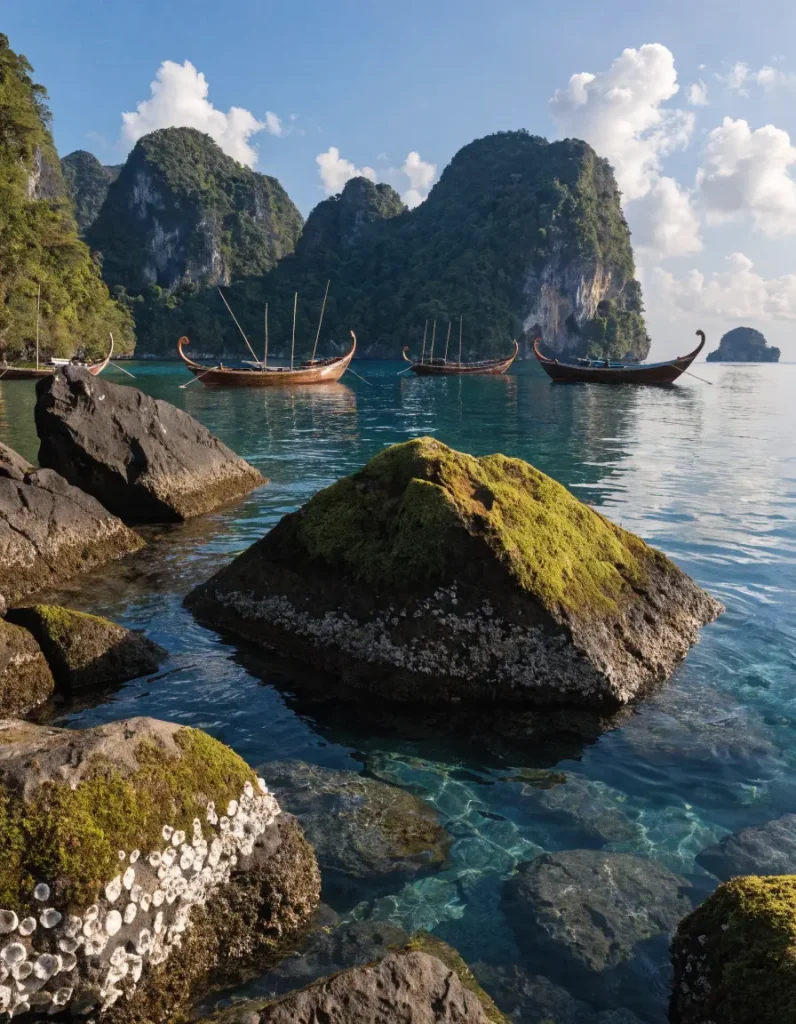
Forget Bali. Skip Phuket. Move past Bangkok.
These destinations offer the same beauty. They provide better culture. They cost half the price. These are the places I return to again and again.
Kampot, Cambodia: Riverside Bliss for Under $15 a Day
Everyone rushes to Siem Reap. They want to see Angkor Wat. I get it. The temples are stunning. But the crowds are exhausting. The prices reflect the tourism.
Drive four hours south. You will find Kampot. This sleepy riverside town captured my soul immediately.
French colonial buildings line the streets. They are crumbling beautifully. Local children wave at you. They shout “hello” with genuine joy. The Kampot River flows slowly. It reflects the sunset like a mirror.
I stayed at a guesthouse called The Magic Sponge. It sounds silly. The experience was unforgettable. My room had a balcony. It overlooked the water. I paid $6 per night. The family running it adopted me. They taught me to cook fish amok. This is a traditional Cambodian curry.
During the day, I rented a scooter. It cost $4. I visited salt fields. I explored pepper plantations. Kampot pepper is world-famous. I toured caves. I swam in secret waterfalls.
At night, I ate at the night market. Grilled squid cost $1. Fresh fruit shakes were 50 cents. I met other travelers. We shared stories over 75-cent beers.
Pro tip: Visit the nearby Rabbit Island. The boat ride costs $5. You can sleep in a basic bungalow for $3. There is no electricity after dark. You fall asleep to the sound of waves. You wake up with the sun. This is paradise.
Ninh Binh, Vietnam: Ha Long Bay Without the Crowds
Ha Long Bay is magnificent. It is also a tourist trap. Boats cruise in packs. Vendors harass you constantly. I left feeling empty.
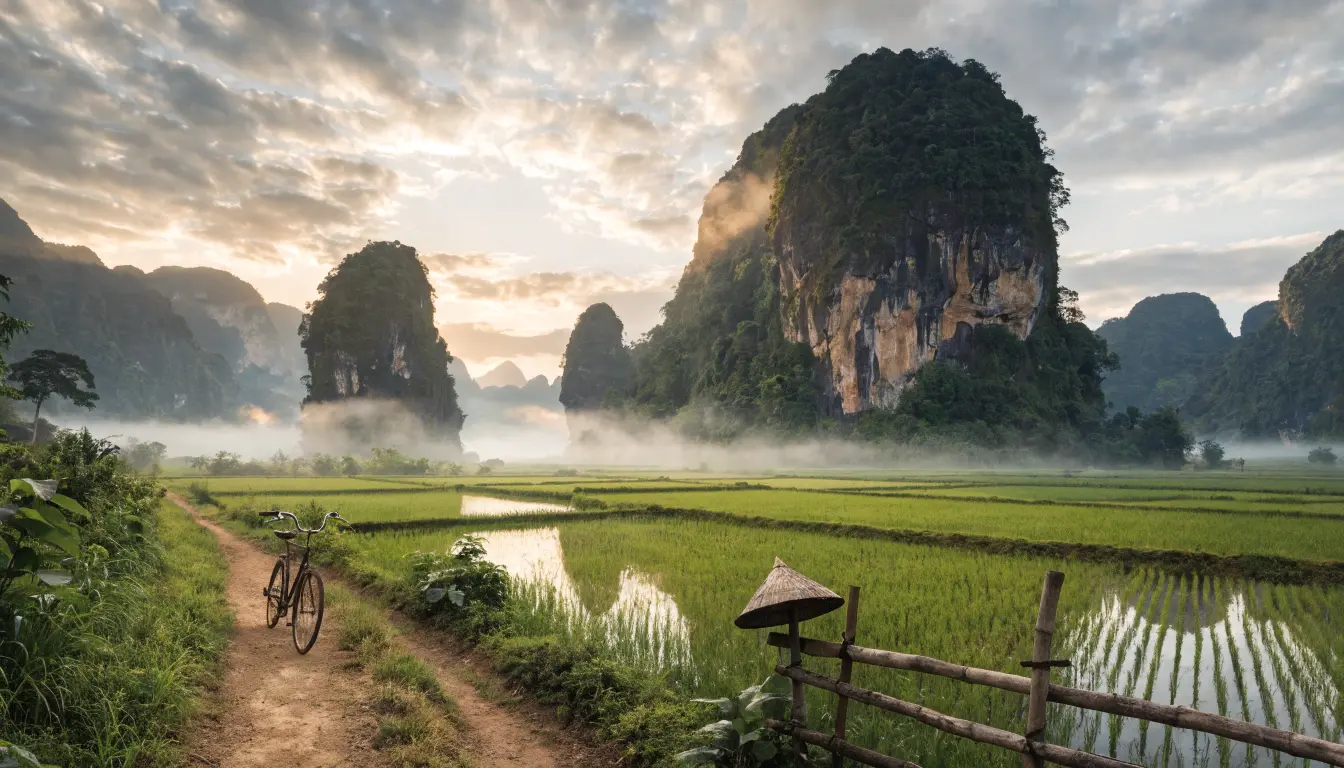
Then I discovered Ninh Binh. It is just two hours from Hanoi. People call it “Ha Long Bay on land.” The limestone karsts are identical. They rise from rice paddies instead of water.
I rented a bicycle for $2. I pedaled through valleys. Water buffalo blocked my path. Farmers wore conical hats. They worked the fields as they have for centuries.
I took a small boat through Trang An. The boat ride lasted three hours. It cost $10. We floated through caves. Stalactites dripped above us. Our rower sang folk songs. Her voice echoed off the stone.
I stayed in a homestay in Tam Coc village. The family prepared family-style dinners. We ate spring rolls. We shared rice wine. They spoke no English. We communicated through smiles. The room cost $8. Dinner was included.
Must-do: Climb the 500 steps to Mua Cave viewpoint. The sweat is worth it. You see a 360-degree panorama. It looks like a movie set. Bring water. The humidity is intense.
Galle Fort, Sri Lanka: Colonial Charm on a Shoestring
Sri Lanka often gets overlooked. This is a tragedy. The island offers beaches, tea plantations, and ancient ruins. It remains incredibly affordable.
Galle Fort sits on the southern coast. The Portuguese built it. The Dutch expanded it. The British maintained it. Walking through the gates feels like time travel. Cobblestone streets wind past boutiques. Cafes serve Ceylon tea. The ocean crashes against the ramparts.
I found a room inside the fort walls. It was a colonial house converted to a guesthouse. High ceilings kept it cool. A fan whirred above my bed. I paid $12.
Mornings started with kottu roti. This is chopped flatbread with vegetables and egg. It costs $1.50. I walked the walls at sunrise. I watched locals play cricket. They invited me to join. I am terrible at cricket. They cheered anyway.
Unawatuna Beach is ten minutes away. It is beautiful. It is busy. I preferred Jungle Beach. It requires a small hike. The effort filters out the crowds. Snorkeling there is free. The fish are colorful. The water is warm.
Budget hack: Take the train from Colombo to Galle. It costs $1.50 for second class. The views are spectacular. The ocean is meters from the tracks. This is one of the world’s great rail journeys.
Luang Namtha, Northern Laos: Trekking into the Unknown
Laos is already cheaper than its neighbors. Northern Laos is even more affordable. It is also more authentic.
Luang Namtha is a small town. It borders China. It serves as the gateway to the Nam Ha National Protected Area. This is where adventure happens.
I booked a two-day trek through my guesthouse. It cost $30. This included food. It included accommodation in a Khmu village. It included a guide.
We hiked through primary rainforest. My guide pointed out medicinal plants. We ate lunch beside a stream. sticky rice and grilled chicken never tasted so good.
We arrived at the village by dusk. There was no electricity. Families gathered in the main hut. They shared rice whiskey. Children stared at me. They had never seen a foreigner. The chief welcomed me. We communicated through my guide.
Sleeping was basic. It was a bamboo floor. A mosquito net protected me. The stars were incredible. No light pollution existed for miles.
The next day, we kayaked back to town. We floated down the Nam Tha river. Kingfishers darted beside us. Water buffalo watched from the banks.
Important note: Bring cash. There are no ATMs. Prices are negotiable. Respect the villagers. Ask permission before taking photos. Bring small gifts like pens or candy for the children.
How to Travel These Gems Like a Pro
Finding cheap places is only half the battle. You need to know how to navigate them. Here is what three years of trial and error taught me.
Master the Art of Local Transportation
Tourist buses are convenient. They are also expensive. They isolate you from real life.
Learn to love local buses. They are chaotic. They are uncomfortable. They are adventures. A tourist bus from Hanoi to Ninh Binh costs $15. The local bus costs $3. You will share the ride with chickens. You will share it with friendly locals. You will save money.
In cities, download Grab. This is Southeast Asia’s Uber. It works in most countries. The prices are fixed. You avoid haggling with tuk-tuk drivers.
Train travel is your best friend. Overnight trains save you a hotel night. They are social. You meet fascinating people. The berths are clean. They are safe.
Eat Where the Locals Eat
Street food is not scary. It is sacred.
Look for plastic stools. Look for busy stalls. Look for menus with no English. These are the gold mines.
Point at what looks good. Smile. Hold up fingers for quantity. This system works everywhere.
Breakfast should cost under $2. Lunch should cost $3. Dinner can be $5 if you splurge. Eat fruit from markets. Drink bottled water.
I got food poisoning once. It was from a Western-style hotel buffet. Ironic, right? The street food was always safe. The locals have standards. They cannot afford to poison their regular customers.
Sleep Smart, Not Hard
Hostels are great for solo travelers. Private rooms in guesthouses cost the same as dorm beds in the West.
Use booking apps. Read recent reviews. Look for places with communal areas. This is where you get tips. This is where you find travel buddies.
Negotiate for long stays. If you stay a week, ask for a discount. I usually get 20% off.
Consider homestays. They include meals. They include cultural exchange. You might help cook dinner. You might learn a few words of the local language.
For more comprehensive advice on planning your trip, check out Your Ultimate Travel Guide to Asia: Insider Tips and Must-Know Advice. It covers visas, packing lists, and safety tips that complement this budget guide perfectly.
The Real Cost Breakdown: Your Daily Budget
Let me be transparent. Here is what you actually need per day in these hidden gems.
Accommodation: $5 to $15 for a private room. $3 to $8 for a dorm bed.
Food: $5 to $10 if you eat locally. $15 if you mix in Western meals.
Activities: $5 to $20. Temples are often free or $2. Trekking tours are $20 to $40. Independent exploration costs almost nothing.
Transport: $1 to $10 depending on distance.
Total daily budget: You can live comfortably on $25 to $35 per day. You can survive on $15 if needed. You can splurge at $50 and live like royalty.
Compare this to Europe. Compare this to North America. You would spend that on lunch alone in Paris.
Cultural Etiquette: Travel as a Guest, Not a Consumer
Being a budget traveler does not mean being a cheap tourist. It means being a respectful guest.
Dress modestly at temples. Cover your shoulders. Cover your knees. Remove your shoes. Watch others. Follow their lead.
Learn to say hello and thank you. These small efforts open doors. They turn transactions into connections.
Bargain with a smile. It is expected in markets. Keep it light. Pay what things are worth to you. That vendor has a family to feed.
Never haggle over pennies. If something costs $2, do not fight for $1.80. Your dignity is worth more than 20 cents.
I once refused to pay a tuk-tuk driver extra. He had gotten lost. It was his fault. I stood firm. I saved $2. I felt terrible for days. Now I overpay slightly. I consider it a donation to the local economy. I sleep better.
Pack Your Bags and Discover the Magic
Asia changed my life. It did not drain my bank account. It enriched my soul.
These hidden gems in Asia are waiting for you. They are not in guidebooks. They are not on Instagram. They are real. They are raw. They are ready.
You will get lost. You will get confused. You will eat something weird. These are not problems. These are the stories you will tell for decades.
Stop waiting for the perfect time. Stop saving for a luxury version of this trip. The best experiences cost the least. The grandmother sharing her tea charges nothing. The mountain view requires only your effort. The friendship of fellow travelers is free.
The world is vast. Asia is welcoming. Your adventure starts with a single step. Or rather, a single flight booking.
As the famous traveler Ibn Battuta once said: “Traveling—it leaves you speechless, then turns you into a storyteller.”
Go write your story. The cheapest gems shine the brightest. I will see you on the road. Bring an open mind. Leave your expectations at home. Asia is waiting to surprise you.
Safe travels, my friend. The real luxury is freedom. You can afford it right now.
External Resources for Further Reading:
- For detailed visa requirements and safety updates across Asian destinations, visit the U.S. State Department’s Travel Advisories.
- Lonely Planet’s Southeast Asia guide offers excellent transportation maps and cultural insights at Lonely Planet’s Asia Section.
- For real-time budget tracking and traveler reviews, check out Nomadic Matt’s Budget Travel Guide. He has been the king of budget travel advice for over a decade.
- The World Health Organization provides essential health recommendations for travelers in Asia at WHO International Travel and Health.