

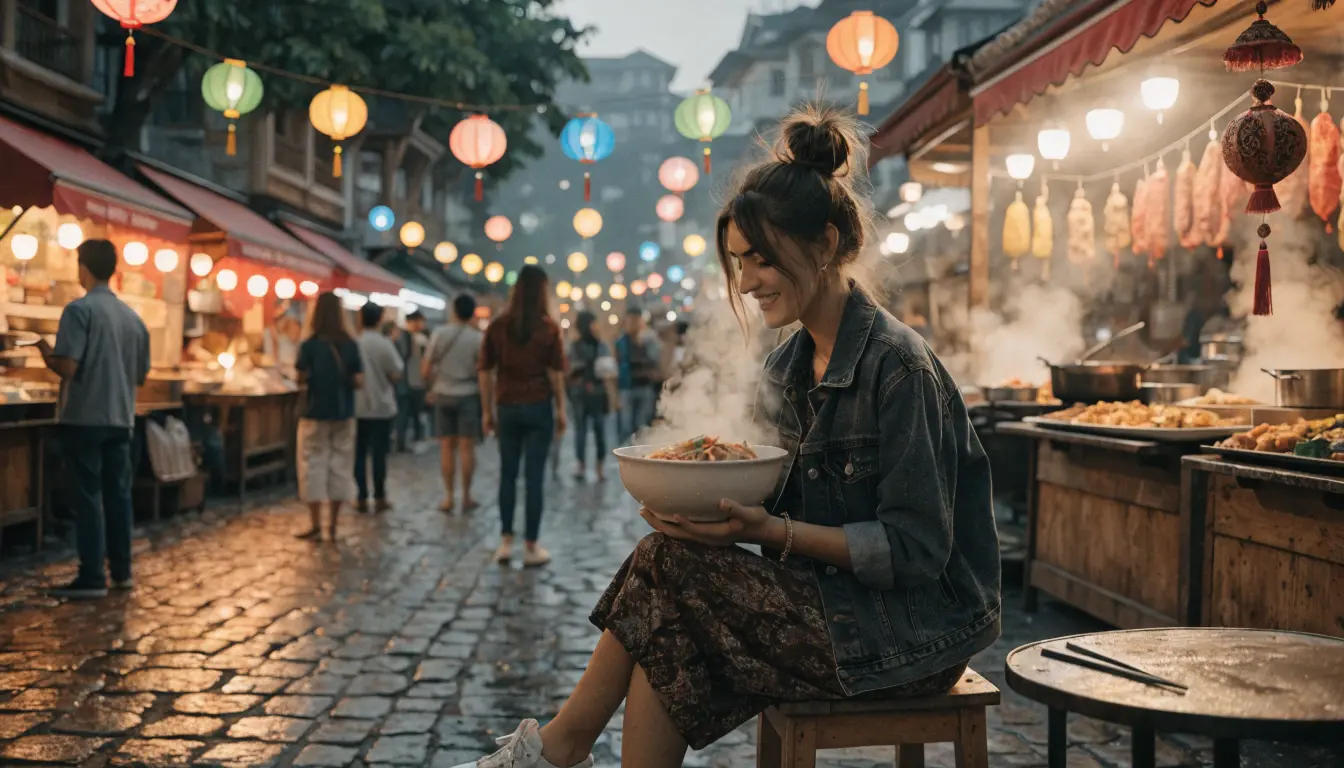
Remember that feeling when you first tasted real ramen? When you stumbled upon a night market that smelled like heaven? When a stranger’s smile made you feel completely at home?
That’s Asia for you. Every single day.
I still remember my first trip to Bangkok. I was overwhelmed, jet-lagged, and questioning every life choice that led me there. Then I wandered into a tiny street stall. An elderly woman handed me a bowl of noodles. She didn’t speak English. I didn’t speak Thai. But somehow, we connected. That bowl of noodles changed everything.
Now, after a decade of crisscrossing this incredible continent, I’m here to share everything I’ve learned. Whether you’re dreaming of your first asia tours or you’re a seasoned explorer, this guide is for you.
Let me be your virtual travel buddy. Let’s talk about the real Asia—the messy, magical, life-changing one.
So, You Want to Take Asia Tours? Let’s Find Your Perfect Match
Asia isn’t a country. It’s a universe. Trying to “do Asia” in two weeks is like trying to eat an entire buffet in one bite. You’ll get indigestion.
Here’s the truth: the best asia tours match your travel style. Not someone else’s Instagram feed.
🧘 The Solo Soul-Searching Trip
Traveling alone in Asia is a rite of passage. I’ve done it more times than I can count. The continent practically holds your hand.
What to look for: Tours with “Solo-ish” options. These are group tours designed for solo travelers. You get your own space but never feel alone.
In 2026, incredible asia tours for solo travelers are booming. Companies now offer itineraries specifically for people flying solo. I tried a “Solo-ish Vietnam” tour last year. Eleven days of motorbike tours, overnight trains, and new friends I still text daily.
My best advice: Don’t overplan your solo trip. Leave room for spontaneity. Some of my best memories happened when I got lost on purpose.
👨👩👧👦 The Family-Friendly Adventure
Taking kids to Asia? Yes, please. The continent loves children. Strangers will pinch their cheeks. Vendors will give them free fruit. It’s heartwarming.
What to look for: Tours with efficient transport and family-friendly attractions. Singapore, Japan, and Taiwan excel here. Think clean subways, kid-approved food, and amazing public gardens.
I took my niece to Singapore’s Gardens by the Bay. Her face when she saw the Supertree Grove? Priceless. She still talks about it.
Pro tip for families: Choose asia tours that balance activities with downtime. Kids (and parents) need rest. A half-day temple tour followed by pool time works wonders.
🏔️ The Adventure-Seeker’s Paradise
Want to push your limits? Asia delivers. Big time.
What to look for: Tours with physical activities. Think cycling through Vietnam, trekking in Nepal, or diving in Indonesia.
My most unforgettable adventure was a multi-country tour from Bangkok to Bali. We ate street food in Bangkok, surfed in Bali, and everything in between. My body ached. My heart soared.
My honest warning: Adventure asia tours can be intense. Listen to your body. It’s okay to skip a hike and just enjoy the view from a cafe.
The Hidden Gems in Asia That Most Tourists Miss
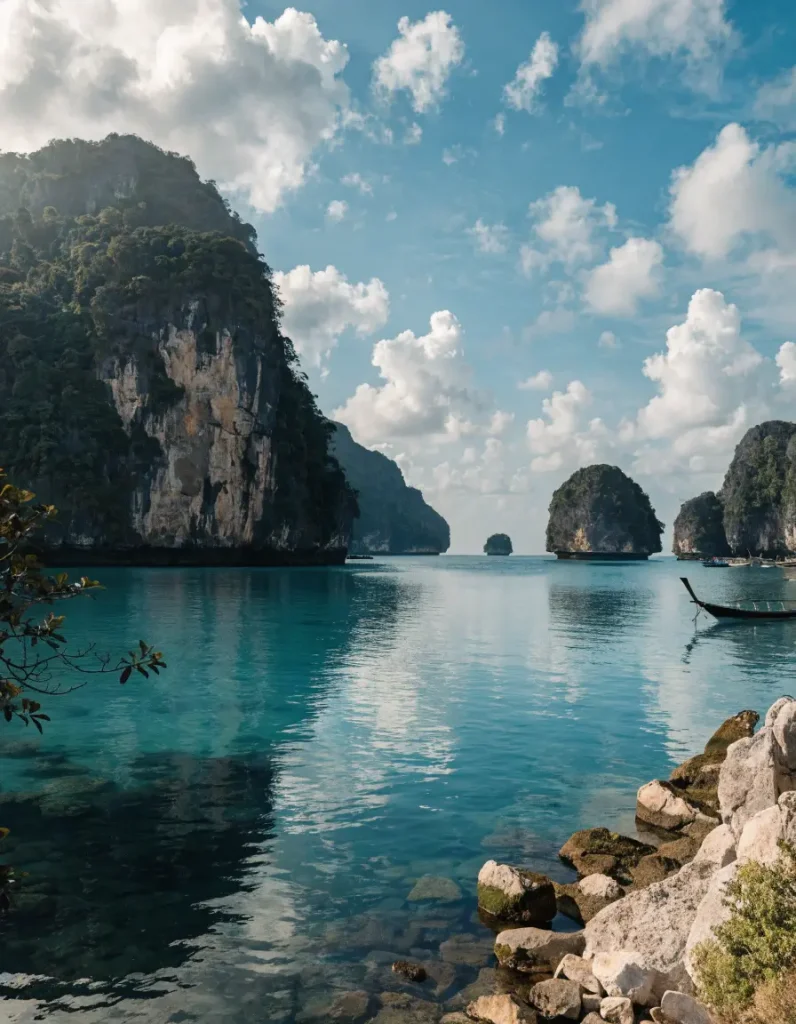
Okay, confession time. I love popular spots. Angkor Wat is famous for a reason. But the real magic? It’s often off the beaten path.
Let me share some hidden gems in Asia that changed my perspective.
🏔️ Sa Pa, Vietnam: Where Rice Terraces Touch the Sky
Sa Pa exploded in popularity recently. It’s now one of Asia’s fastest-growing destinations. But don’t let that scare you.
The misty mountains of northern Vietnam feel otherworldly. I woke up at 5 AM to watch sunrise over the rice terraces. The H’mong and Dao communities welcomed me like family.
How to experience it right: Stay overnight in a homestay. Eat with locals. Learn about their traditions. Skip the crowded viewpoints. Hire a local guide for the real experience.
🌿 Luang Namtha, Laos: Slow Travel at Its Finest
Have you heard of Luang Namtha? Most people haven’t. That’s exactly why you should go.
This quiet town in northern Laos is a launching point for jungle treks and kayaking adventures. I spent three days trekking through the Nam Ha National Protected Area. No crowds. No noise. Just nature and incredible local culture.
Pro tip: Stay in an eco-lodge. Support locally run tour operators. Eat at the night market. Every dollar helps preserve this beautiful place.
🏯 Tainan, Taiwan: The City That Doesn’t Shout
Taipei gets all the attention. But Tainan? Tainan quietly steals your heart.
As Taiwan’s oldest city, it’s packed with history. Old temples. Forts. Alleyways filled with incense. The street food here is legendary. I ate Danzai noodles from a stall that had been perfecting the recipe for decades.
What I learned: Don’t rush Tainan. Rent a bike. Get lost in the neighborhoods. The real charm reveals itself slowly.
For more incredible spots, check out this guide to off-the-beaten-path destinations in Asia for even more inspiration.
Let’s Talk Money: How to Budget for Your Asia Tours
Here’s a secret that travel agents won’t tell you. Asia can be incredibly affordable. But “affordable” means different things to different people.
💰 The Backpacker’s Budget (Around $35/Day)
Yes, you read that right. Thirty-five dollars a day.
For a budget-conscious traveler, a one-month adventure in Southeast Asia costs roughly $1,000. I’ve done it. It requires discipline, but it’s absolutely possible.
Here’s how the math works:
- Hostel dorm bed: $5–$11 per night
- Street food meals: $1–$3 each
- Local transportation: incredibly cheap
- Free activities: temples, markets, hiking
Where your money goes farthest: Vietnam, Indonesia, Laos, Cambodia, and the Philippines. These countries offer incredible value.
🏨 The Comfortable Traveler (Around $100/Day)
Want a private room and restaurant meals? Budget about $100 per day. A 4–6 week trip at this comfort level runs approximately $3,000.
What you get:
- Private hotel rooms
- Mix of local and Western dining
- Domestic flights instead of slow buses
- Guided tours and activities
✨ The Luxury Seeker ($300+/Day)
Five-star resorts. Private transfers. Fine dining. The sky’s the limit.
But here’s my honest advice: even luxury travelers should mix in some local experiences. The best meal I’ve ever had in Asia cost $2. Don’t miss those moments.
🗓️ Save Money by Timing Your Trip Right
Travel during shoulder season (March–May or September–October). You’ll get good weather and lower prices. Avoid peak holidays like Christmas and Lunar New Year when prices double.
For detailed budget breakdowns, this 2026 Asia travel cost guide is incredibly helpful.
Your Taste Buds Will Thank You: The Asian Street Food Experience
Let me paint you a picture.
You’re walking through a night market in Bangkok. The air smells like lemongrass, chili, and something sizzling on a grill. A vendor smiles at you. She holds up a skewer of grilled meat. You nod. Thirty seconds later, you’re eating the best thing you’ve ever tasted.
That’s Asian street food. And it’s life-changing.
🍜 Why Street Food Markets Are Amazing
Asian street food markets are sensory overload in the best possible way. You can walk through hawker centers in Singapore or busy market stalls in Malaysia and grab whatever catches your eye.
The variety is staggering. Each country brings its own flavors. Thailand offers everything in one place. Malaysia blends Malay, Chinese, and Indian influences beautifully.
🛡️ But Is It Safe? (The Honest Answer)
The biggest misconception is that street food isn’t clean. Here’s the truth: vendors in countries like Singapore, Malaysia, and Thailand must meet health standards.
My rules for safe street food eating:
- Look for busy stalls with long lines. Locals know best.
- Watch them cook your food fresh.
- Avoid anything that’s been sitting out.
- Bring hand sanitizer. Use it.
- Start slow if you have a sensitive stomach.
One more tip for cautious eaters: vegetarian options are plentiful across Asia. Gluten-free and kosher travelers will find it more challenging, but not impossible.
For a deeper dive into navigating Asian street food, check out this expert guide to street food markets.
Getting Around: Transportation Tips That Save Time and Money
Asia’s transportation network is incredible. But you need to know the tricks.
🚆 Trains: The Romantic Option
Overnight trains in Vietnam, Thailand, and India are experiences in themselves. I took a sleeper train from Bangkok to Chiang Mai. Watching the sunrise over rice paddies from my bunk? Unforgettable.
Cost: $10–$20 for an overnight sleeper
Pro tip: Book the “VIP” berths. They’re worth the extra few dollars for better sleep.
✈️ Flights: Surprisingly Affordable
Budget airlines have transformed Asian travel. You can fly from Bangkok to Singapore for less than $50. Seriously.
My advice: Book domestic flights for longer distances. The time savings are worth it.
🛵 Scooters: The Local Way
Renting a scooter is popular in places like Bali, Vietnam, and Thailand. But be careful. Traffic can be chaotic. Insurance rarely covers scooter accidents.
My rule: Only rent a scooter if you have experience. Always wear a helmet. Always.
🚌 Buses: The Budget Backbone
Local buses connect everywhere. They’re cheap, frequent, and an adventure in themselves.
Pro tip: Overnight buses save you a night’s accommodation. Just bring earplugs and a scarf to use as a blanket.
When to Go: Timing Your Asia Tours for Perfect Weather
Asia’s weather varies dramatically by region. Here’s your cheat sheet.
🌴 Southeast Asia (Thailand, Vietnam, Cambodia, Laos)
Best time: November to February. Cooler weather, minimal rain, perfect for sightseeing.
Shoulder season: March to May and September to October. Good weather, fewer crowds.
Rainy season: June to September. Lush landscapes, fewer tourists, lower prices. I actually love traveling during this time. The rains come in short bursts. The rest of the day is glorious.
🗾 East Asia (Japan, South Korea, China)
Best time: Spring (March–May) for cherry blossoms. Fall (September–November) for stunning foliage.
Summer: Hot and humid, but festival season is incredible.
Winter: Cold but magical, especially in Japanese onsens (hot springs).
🏝️ Indonesia & Malaysia
Best time: April through October (dry season). Perfect for Bali, Lombok, and Borneo.
Rainy season: November to March. Still possible to travel, but expect afternoon showers.
For a month-by-month breakdown, this Southeast Asia travel guide offers detailed seasonal advice.
Cultural Etiquette: Don’t Be That Tourist
I’ve made embarrassing mistakes in Asia. Let me save you from the same fate.
🙏 Respect the Temples
- Cover your shoulders and knees. Always.
- Remove your shoes before entering.
- Don’t point your feet at Buddha images. It’s deeply disrespectful.
- Keep your voice low. Temples are places of worship, not photo studios.
🍚 Eating Etiquette
- In many Asian countries, leaving a little food on your plate means you’re full. Cleaning your plate means you’re still hungry.
- Use your right hand for eating in India and parts of Southeast Asia. The left hand is considered unclean.
- Chopstick rules: don’t stick them upright in your rice bowl. It resembles funeral incense.
🤝 Personal Space and Touching
- Public displays of affection are frowned upon in many Asian cultures.
- Don’t touch people’s heads. The head is considered sacred in Buddhist cultures.
- Use both hands when giving or receiving something. It shows respect.
👕 Dress Codes
Beyond temples, many Asian cultures are modest. Short shorts and crop tops might get you stares. When in doubt, cover up.
Where to Stay: Accommodation Options for Every Budget
🛏️ Hostels ($5–$15/night)
Don’t picture party dorms. Modern Asian hostels are incredible. Many offer private rooms, rooftop bars, and organized tours.
Best for: Solo travelers, budget backpackers, social butterflies
🏨 Budget Hotels ($15–$40/night)
Private rooms with private bathrooms. Often include breakfast. Perfect for couples or friends.
Best for: Couples, small groups, light sleepers
🏡 Homestays ($10–$30/night)
This is where the magic happens. Stay with a local family. Eat home-cooked meals. Learn about real life in Asia.
Best for: Cultural immersion, adventurous eaters, everyone
My favorite homestay memory: A family in rural Vietnam taught me to make spring rolls. We couldn’t communicate with words. But we laughed together for hours. That’s travel.
🏨 Mid-Range Hotels ($40–$100/night)
Comfortable, clean, often with pools and breakfast buffets. Great value compared to Western prices.
🌟 Luxury Resorts ($150+/night)
Five-star service for half the price you’d pay elsewhere. Bali, Thailand, and Vietnam excel at luxury.
Practical Tips You’ll Actually Use
📱 Get a Local SIM Card
Don’t rely on Wi-Fi. Local SIM cards are cheap and easy. You can buy them at the airport or any convenience store.
Cost: $5–$15 for plenty of data
My tip: Download offline maps before you arrive. Google Maps works offline. It’s a lifesaver.
💵 Cash Is Still King
Yes, credit cards are accepted in hotels and fancy restaurants. But street food vendors, markets, and local transport want cash.
My system: Carry a mix of small bills. Break large notes whenever you can.
🧴 Pack Smart for the Climate
Southeast Asia: Lightweight, breathable fabrics. Rain jacket. Sunscreen. Insect repellent.
East Asia: Layers! Weather can change quickly. Comfortable walking shoes.
Universal must-haves: Power bank, reusable water bottle, sarong (doubles as towel, blanket, or temple cover-up).
📄 Check Your Visa Requirements
Visa policies vary wildly across Asia. Some countries offer visa-free entry. Others require applications.
My advice: Check official government websites. Don’t rely on third-party information.
💉 Get Travel Insurance
I know, I know. It’s boring. But I’ve needed it twice in Asia. Once for food poisoning. Once for a motorbike scrape.
Don’t skip it. Seriously.
Your Asia Journey Starts Here
I’ve shared a lot in this guide. But here’s the most important thing I’ve learned after a decade of asia tours.
The planning matters. The budgeting matters. The packing matters.
But what really matters is showing up.
Show up with an open mind. Show up with curiosity. Show up ready to be changed.
Asia will meet you there. It will overwhelm you. It will delight you. It will frustrate you. And then, in a quiet moment—maybe while eating noodles from a street stall, maybe watching sunrise over a temple—it will steal your heart.
You’ll never be the same.
And that’s exactly the point.
Your Turn: Start Planning Your Asia Adventure
Ready to take the leap? Here’s your action plan:
- Decide when to go. Use the seasonal guide above to pick your dates.
- Set your budget. Be realistic. Add a buffer for unexpected expenses.
- Choose your tour style. Solo, family, or adventure? Pick what fits you.
- Book your flights. Major hubs like Bangkok, Tokyo, and Singapore offer the best connections.
- Pack your bags. Light and smart.
- Get travel insurance. Non-negotiable.
- Show up. The rest will fall into place.
And before you go, make sure to read my detailed Tips for Your Next Asia Trip: A Seasoned Traveler’s Guide to Exploring with Heart and Adventure. It’s packed with even more practical advice from someone who’s been there.
“The real voyage of discovery consists not in seeking new landscapes, but in having new eyes.” — Marcel Proust
Pack your bags, my friend. Asia is waiting. And trust me, it’s going to be amazing. 🌏
External Resources Mentioned in This Article:
- 2026 Asia Tours and Seasonal Adventures — Browse 3,300+ tours
- Expert Guide to Asian Street Food Markets — Safety tips and recommendations
- 2026 Asia Travel Cost Guide — Detailed budget breakdowns