

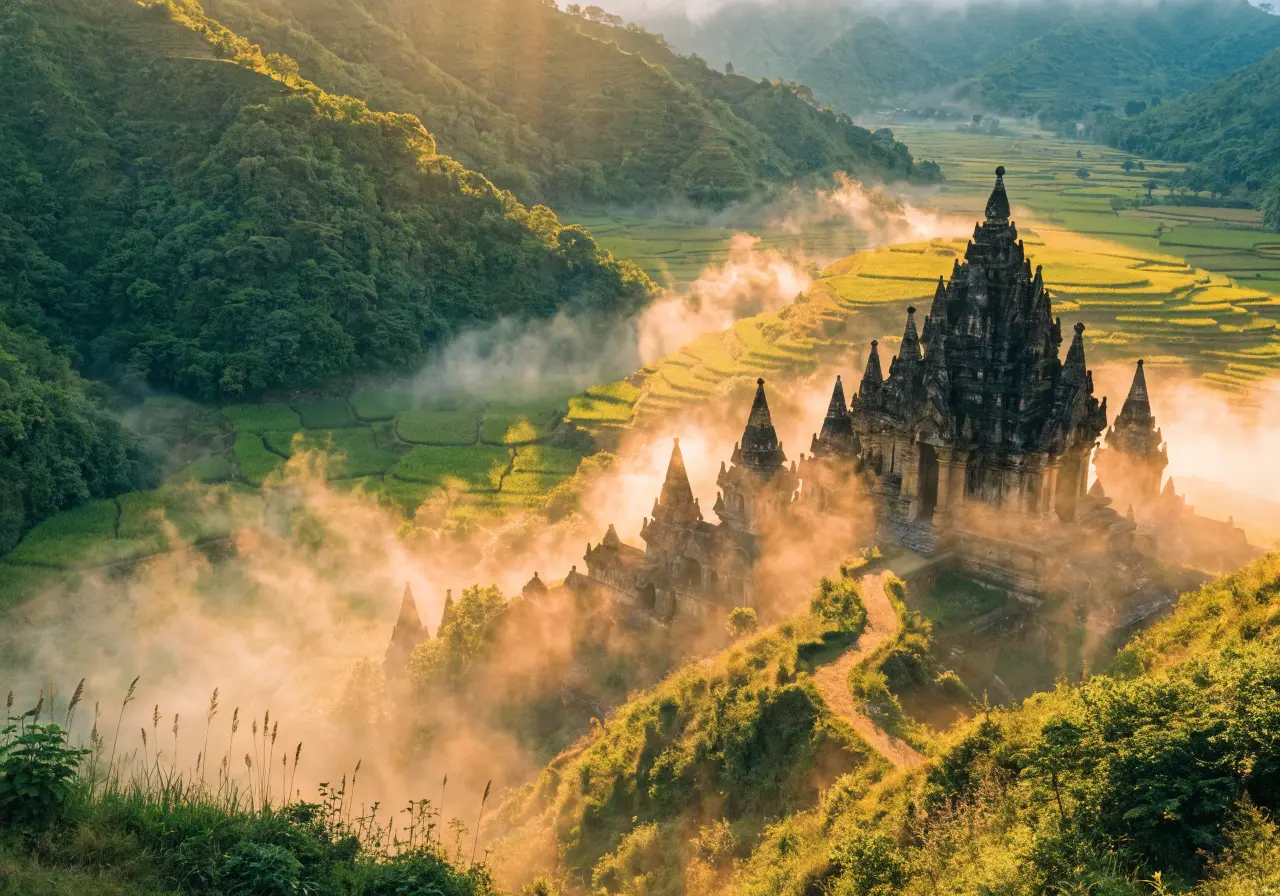
There is something about traveling through Asia that makes every trip feel bigger than the map suggests. One day you can be eating steaming pho from a tiny street stall in Hanoi, and a few days later you might be watching the sun rise behind an ancient Japanese temple, wandering through a night market in Thailand, or sitting beside a turquoise beach in Bali.
After several trips around Asia, I’ve learned that the hardest part usually isn’t deciding whether to visit Asia. It’s deciding where to go first.
Asia is enormous, and every country offers a completely different experience. Japan feels polished and wonderfully organized. Thailand has an easygoing energy that makes it difficult to leave. Vietnam combines incredible food, dramatic landscapes, and surprisingly good value. Indonesia offers tropical scenery and deep cultural traditions, while South Korea mixes ancient history with one of the world’s most modern city cultures.
That variety is exactly why I keep coming back.
If you’re searching for the best places to visit in Asia, this guide will help you narrow down the choices. I’ll cover destinations that work for different travel styles, from first-time visitors and families to backpackers, food lovers, beach seekers, and travelers looking for culture and adventure.
I’ll also share practical information about the best time to visit, transportation, accommodation, food, daily costs, and the little things I wish I had known before arriving.
Why Asia Is One of My Favorite Regions to Explore
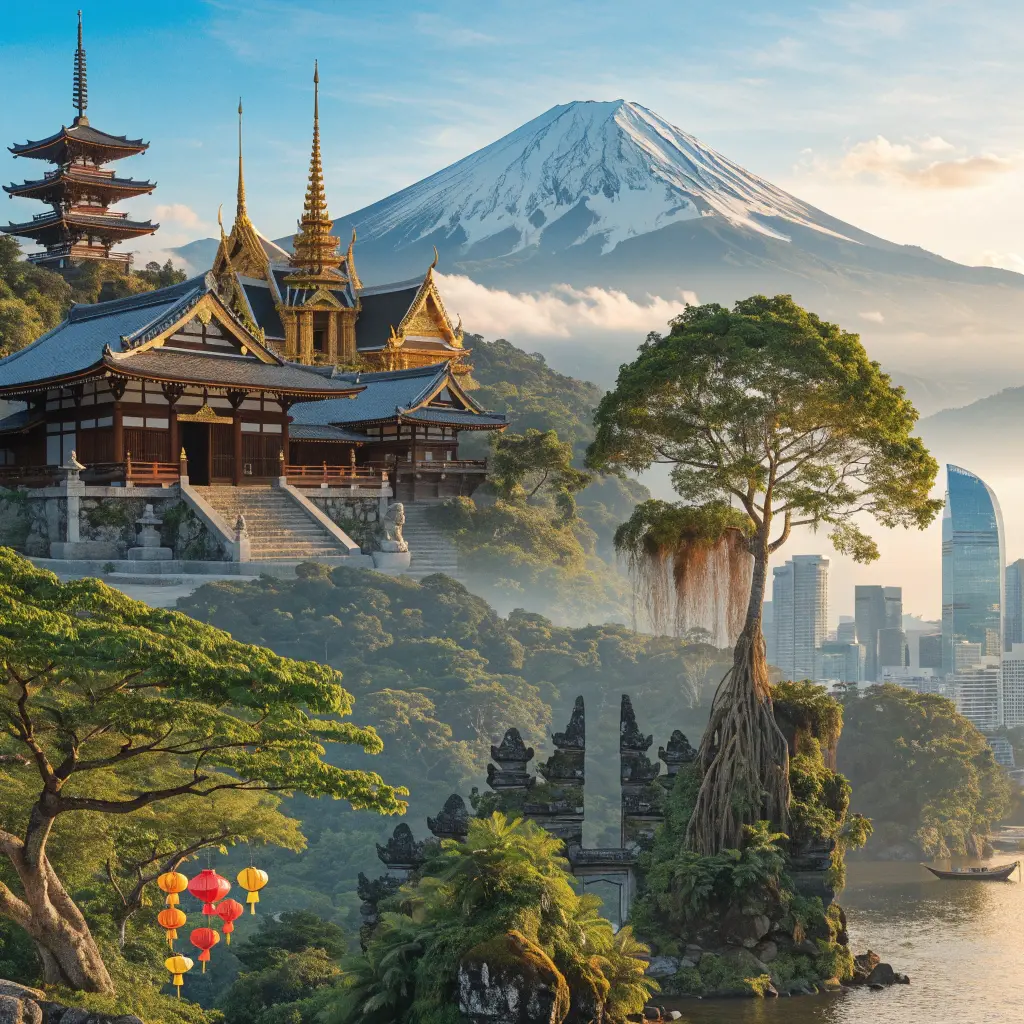
What I love most about traveling in Asia is how quickly the scenery and atmosphere can change.
A modern metro ride can take you from a futuristic shopping district to a centuries-old temple. A short walk through a city can take you from an expensive rooftop restaurant to a tiny family-run noodle shop where dinner costs just a few dollars.
And then there are the landscapes.
You have tropical islands, mist-covered mountains, rice terraces, enormous cities, quiet fishing villages, ancient ruins, jungle trails, and some of the world’s most memorable beaches.
Asia can also work for almost any budget.
For example, Vietnam remains one of the region’s better-value destinations. Current 2026 estimates put a backpacker-style budget at roughly $25–40 per day, while a more comfortable trip can run around $50–100 per day, depending on accommodation and activities.
Thailand offers a similarly wide range. Budget travelers can often work with around 1,000–1,500 Thai baht ($30–45) per day, while mid-range travelers may spend around $80 or more.
Japan requires a little more planning, but it doesn’t necessarily have to be a luxury destination. Current travel-budget estimates range from roughly ¥8,000–12,000 per day for budget travel to around ¥15,000–25,000 for mid-range travel, excluding major intercity transportation.
The trick is choosing the destination that matches the kind of trip you actually want.
How to Choose Among the Best Places to Visit in Asia
Before booking a flight, I recommend asking yourself one simple question:
What do I want to remember from this trip?
If the answer is food, Vietnam, Thailand, Japan, and South Korea should be high on your list.
If it’s beaches, look toward Bali, the Philippines, Thailand, Sri Lanka, and the Maldives.
If you’re interested in history and culture, Japan, Cambodia, Vietnam, India, and Indonesia offer very different experiences.
For adventure, Nepal, northern Vietnam, Indonesia, the Philippines, and parts of Thailand can provide everything from mountain trekking to diving and jungle exploration.
And if you’re worried about your budget, don’t automatically assume the famous destinations are impossible. Some of the biggest travel experiences in Asia can be surprisingly affordable once you’re there.
A Quick Way to Narrow It Down
Here are some destinations I’d consider depending on your travel style:
- Japan – temples, cities, food, technology, history and incredible public transportation
- Thailand – beaches, temples, street food, nightlife and island hopping
- Vietnam – food, landscapes, culture and excellent value
- Indonesia – Bali, volcanoes, temples, beaches and traditional culture
- South Korea – Seoul, Korean food, palaces, shopping and modern pop culture
- Philippines – spectacular islands, beaches and diving
- Malaysia – multicultural cities, food, rainforests and islands
- Sri Lanka – wildlife, beaches, tea country and ancient sites
- Nepal – Himalayan scenery, trekking and Buddhist culture
- Cambodia – Angkor temples, Cambodian cuisine and a fascinating history
These aren’t the only places worth visiting. Far from it. Asia has enough destinations to fill several lifetimes of travel.
But they’re a useful starting point for a first trip.
1. Japan: Where Ancient Traditions Meet the Future
Japan was one of those places where I repeatedly caught myself stopping just to look around.
One minute you’re surrounded by neon signs, packed train stations and enormous department stores. The next, you’re standing in a quiet temple courtyard listening to nothing but the sound of wind moving through the trees.
That contrast is one of the reasons Japan belongs on almost every list of the best places to visit in Asia.
Tokyo: Start With the Energy
Tokyo can feel overwhelming at first.
There are people everywhere, trains arriving almost exactly when expected, tiny restaurants hidden down narrow streets, enormous shopping centers and neighborhoods that each seem to have their own personality.
I’d give Tokyo at least three or four days.
Don’t just visit the famous landmarks. Spend some time wandering.
Explore Asakusa for traditional Tokyo, Shibuya for its famous crossing and modern atmosphere, and spend an evening around Shinjuku. If you enjoy quieter experiences, visit a neighborhood away from the main tourist routes and simply find a small restaurant.
That’s often when Tokyo becomes more memorable.
Kyoto: Slow Down
If Tokyo is Japan at full speed, Kyoto is where I recommend slowing down.
The city is known for temples, gardens, traditional architecture and historic districts. Walking through areas such as Gion early in the morning can feel completely different from visiting later in the day when tour groups arrive.
Visit Fushimi Inari Shrine, Kiyomizu-dera and the Arashiyama area, but leave room for simply walking.
In my experience, Japan rewards travelers who don’t try to squeeze every attraction into one day.
What to Eat in Japan
Food is one of the biggest reasons to visit.
Try:
- Ramen
- Sushi
- Tempura
- Okonomiyaki
- Yakitori
- Udon
- Soba
- Japanese curry
- Onigiri from convenience stores
Don’t underestimate convenience-store food, either.
A quick stop at a Japanese konbini can be an inexpensive and surprisingly good breakfast or lunch.
For a rough 2026 budget, travelers can find simple meals for relatively modest prices, while accommodation and long-distance transportation tend to have the biggest effect on the overall cost. Peak seasons can also push hotel prices higher.
When to Visit Japan
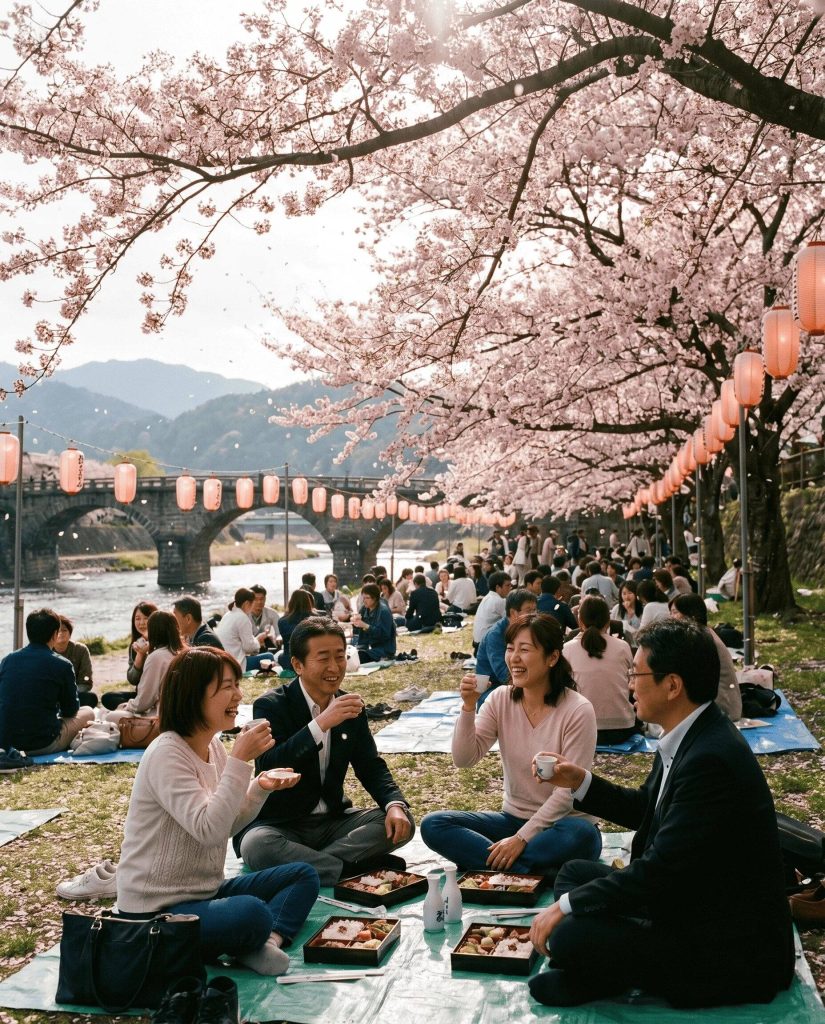
Spring is famous for cherry blossoms, but it also brings crowds and higher demand in many places.
Autumn is another excellent choice, especially if you enjoy colorful foliage and cooler temperatures.
Summer can be hot and humid in many cities, while winter is particularly attractive if skiing, snow scenery or winter food is part of your plan.
My advice is simple: don’t choose Japan only because you saw a beautiful cherry-blossom photograph online. Choose the season that matches the experience you actually want.
2. Thailand: Beaches, Temples and Street Food
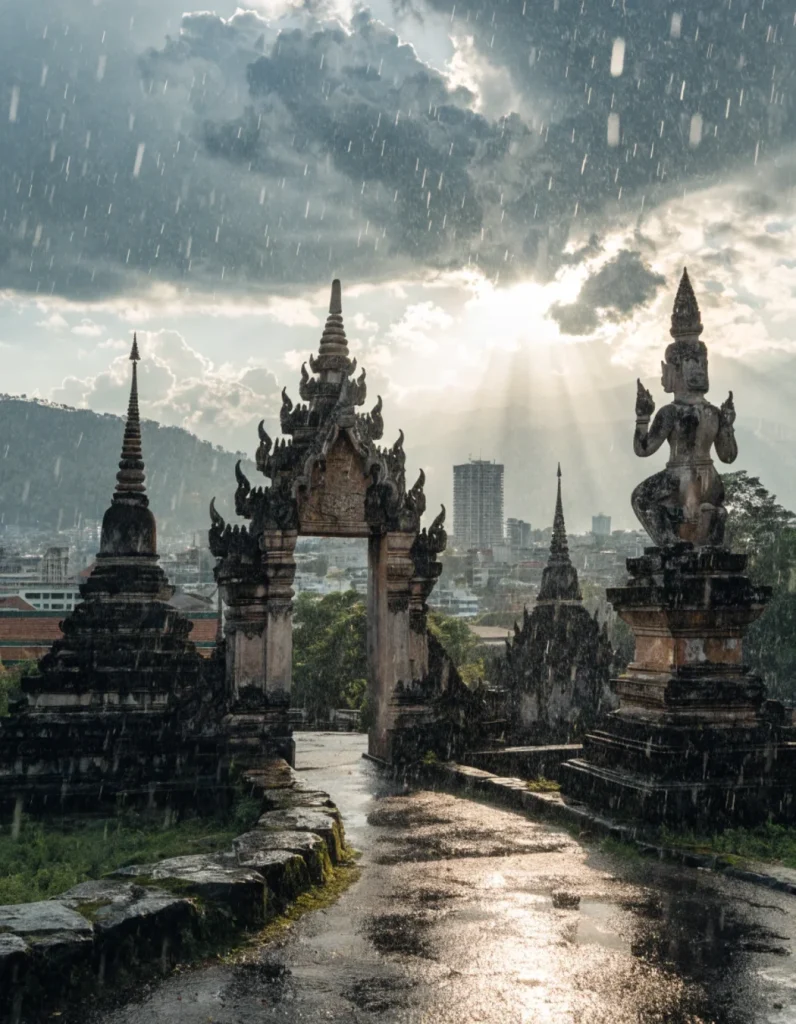
Thailand was one of the first Asian destinations where I understood why travelers return again and again.
There’s an easy rhythm to travel here.
You can spend the morning visiting a temple, eat noodles from a roadside stall for lunch, take an afternoon massage, and finish the day watching the sunset beside the sea.
And then you wake up and do it all again.
Bangkok: Don’t Skip the Capital
Bangkok is loud, hot, chaotic and incredibly entertaining.
Visit the Grand Palace, Wat Pho and Wat Arun, but don’t spend your entire trip checking landmarks off a list.
I recommend leaving an evening free for street food and exploring neighborhoods on foot.
Try pad thai, mango sticky rice, tom yum, green curry and boat noodles.
Thailand’s famous street-food culture is one of the best ways to experience the country without spending a fortune.
Chiang Mai: A Different Side of Thailand
If Bangkok feels intense, Chiang Mai offers a slower pace.
The city is surrounded by mountains and is known for temples, markets, cafés and access to northern Thai culture.
I’d recommend spending several days here rather than treating it as a quick stopover.
Visit Wat Phra That Doi Suthep, explore the Old City and spend an evening at a local market.
Thailand’s Islands
For beaches, you have plenty of choices.
Phuket is convenient and offers a huge range of accommodation, restaurants and activities. Krabi is known for dramatic limestone scenery, while islands such as Koh Samui, Koh Tao and Koh Lanta offer different combinations of beaches, diving and relaxation.
Current 2026 budget estimates put basic Thailand travel at around 1,000–1,500 baht per person per day, while a comfortable independent trip can be several times that amount depending on where you stay and how much you move around. Phuket and Koh Samui generally cost more than northern Thailand.
One of my favorite things about Thailand is that you don’t need a luxury resort to have a memorable trip.
Sometimes a small guesthouse, a plastic chair at a street-food stall and a cheap ferry ticket are enough.
3. Vietnam: Incredible Food and Unforgettable Landscapes
Vietnam is the destination I often mention when someone tells me they want a trip that combines great food, culture, scenery and reasonable costs.
From Hanoi in the north to Ho Chi Minh City in the south, the country changes constantly.
And the food alone is worth the flight.
Hanoi and Northern Vietnam
Hanoi has a completely different rhythm from Bangkok or Tokyo.
The Old Quarter is busy and atmospheric, with narrow streets, tiny restaurants, cafés and motorcycles moving through seemingly impossible spaces.
Sit down with a bowl of pho.
Order an egg coffee.
Watch the city wake up.
These simple moments are often more memorable than rushing between attractions.
For something completely different, head toward Ha Long Bay or the mountains of northern Vietnam.
Hoi An and Central Vietnam
Hoi An is one of those places where I recommend staying longer than you initially planned.
The lantern-lit Old Town is beautiful in the evening, but the surrounding countryside and nearby beaches are equally worth exploring.
Try cao lau, banh mi and fresh seafood.
If you have time, combine Hoi An with Hue and Da Nang.
Ho Chi Minh City
Ho Chi Minh City is fast, energetic and full of food.
A typical 2026 budget can range from roughly $18–34 per day for backpacker travel to around $48–100 for mid-range travel, although private tours, upscale restaurants and premium hotels can raise that substantially.
For budget travelers, Vietnam remains particularly attractive because street-food meals can cost around $1–3, while inexpensive accommodation and local transportation keep daily spending manageable.
Try pho, banh mi, bun cha, com tam and Vietnamese iced coffee — or cà phê sữa đá.
And don’t be afraid to eat where the locals eat.
A crowded little restaurant with plastic stools can sometimes give you a better meal than a polished tourist restaurant around the corner.
A Few Practical Lessons Before You Go
After traveling around Asia, I’ve learned that flexibility is almost as important as planning.
I recommend:
- Carrying some local cash even when cards are widely accepted.
- Downloading an offline map before arriving.
- Checking local weather rather than relying only on generic seasonal advice.
- Booking popular accommodation early during peak periods.
- Learning a few basic local words such as “hello,” “thank you” and “excuse me.”
- Using reputable ride-hailing or transportation apps where available.
- Eating local food, but choosing busy stalls with good turnover.
- Leaving empty space in your itinerary.
- Checking visa and entry requirements for your nationality before booking non-refundable travel.
Most importantly, don’t try to see all of Asia in one trip.
That’s how you end up spending half your vacation in airports and train stations.
Choose two or three places that genuinely interest you, slow down, and let the trip unfold.