

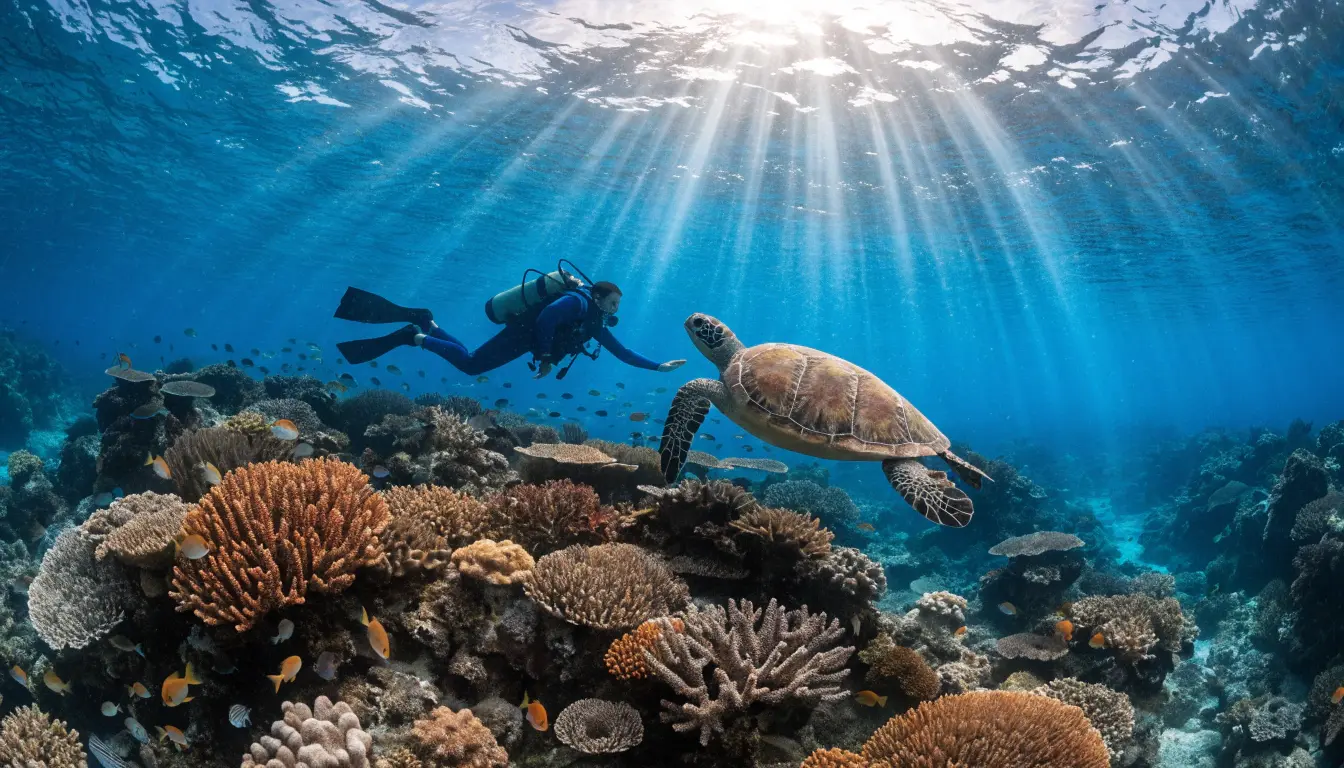
The first time I descended into the water off Sipadan, my regulator hissed and my heart pounded. A green turtle glided past, close enough to touch. I forgot to check my air gauge for a full five minutes. That’s the thing about diving in Asia. It doesn’t just show you the ocean. It rewires how you see the world.
If you’re dreaming about bubbles, coral gardens, and that weightless silence underwater, you’re in the right place. Asia is home to some of the richest marine ecosystems on the planet. It’s also shockingly affordable compared to diving elsewhere. Whether you’re a brand-new Open Water diver or someone chasing hammerheads at depth, this continent has a spot with your name on it.
I’ve put together this list from years of trip planning, research, and conversations with divers who’ve logged thousands of dives across these waters. Consider this your shortcut to skipping the guesswork and getting straight to the good stuff.
Why Asia Is a Scuba Diver’s Paradise
Before we jump into the list, let’s talk about why Asia keeps pulling divers back, year after year.
The Coral Triangle Effect
Much of Southeast Asia sits inside what’s known as the Coral Triangle. This is the most biodiverse marine region on Earth. We’re talking over 600 coral species and 1,500 types of reef fish in some areas alone. No other region comes close.
Diving for Every Budget
You can find a dive course in Thailand for a fraction of what you’d pay in the Caribbean. You can also splurge on a luxury liveaboard in Indonesia if that’s more your speed. Asia bends to fit your budget, not the other way around.
A Cultural Bonus Round
Here’s what nobody tells new divers. The topside experience in Asia is just as memorable as the underwater one. You’ll eat incredible street food, stay in beachside guesthouses run by generous locals, and pick up a few words of a new language between dives. It’s a full sensory trip, not just a diving trip.
Now let’s get into the spots themselves.
1. Sipadan, Malaysia
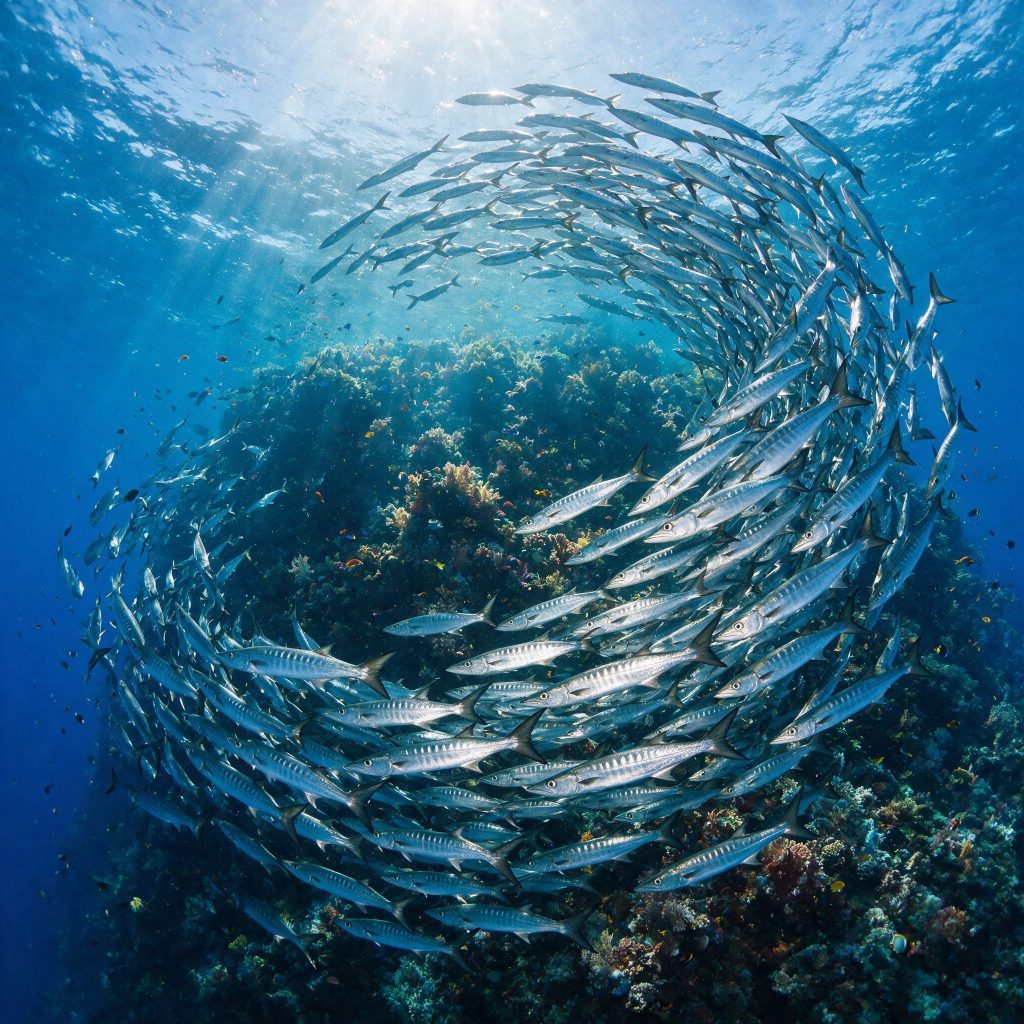
Jacques Cousteau once called Sipadan an untouched piece of art, and honestly, he wasn’t exaggerating. <cite index=”1-1″>This volcanic island’s underwater trenches drop more than 600 meters, drawing in turtles, schools of rays, and barracuda tornadoes that circle divers like something out of a nature documentary.</cite>
What Makes It Special
Sipadan is Malaysia’s only oceanic island, and that isolation is exactly why the marine life feels so untouched. You’ll drift along walls thick with fish, then suddenly find yourself inside a swirling vortex of barracuda. It’s genuinely one of those moments that stays with you.
Practical Tips
Permits are limited here, so book months in advance if you can. Most divers stay on nearby Mabul or Kapalai Island and take a short boat ride out each day, since overnight stays on Sipadan itself aren’t allowed anymore.
2. Koh Tao, Thailand
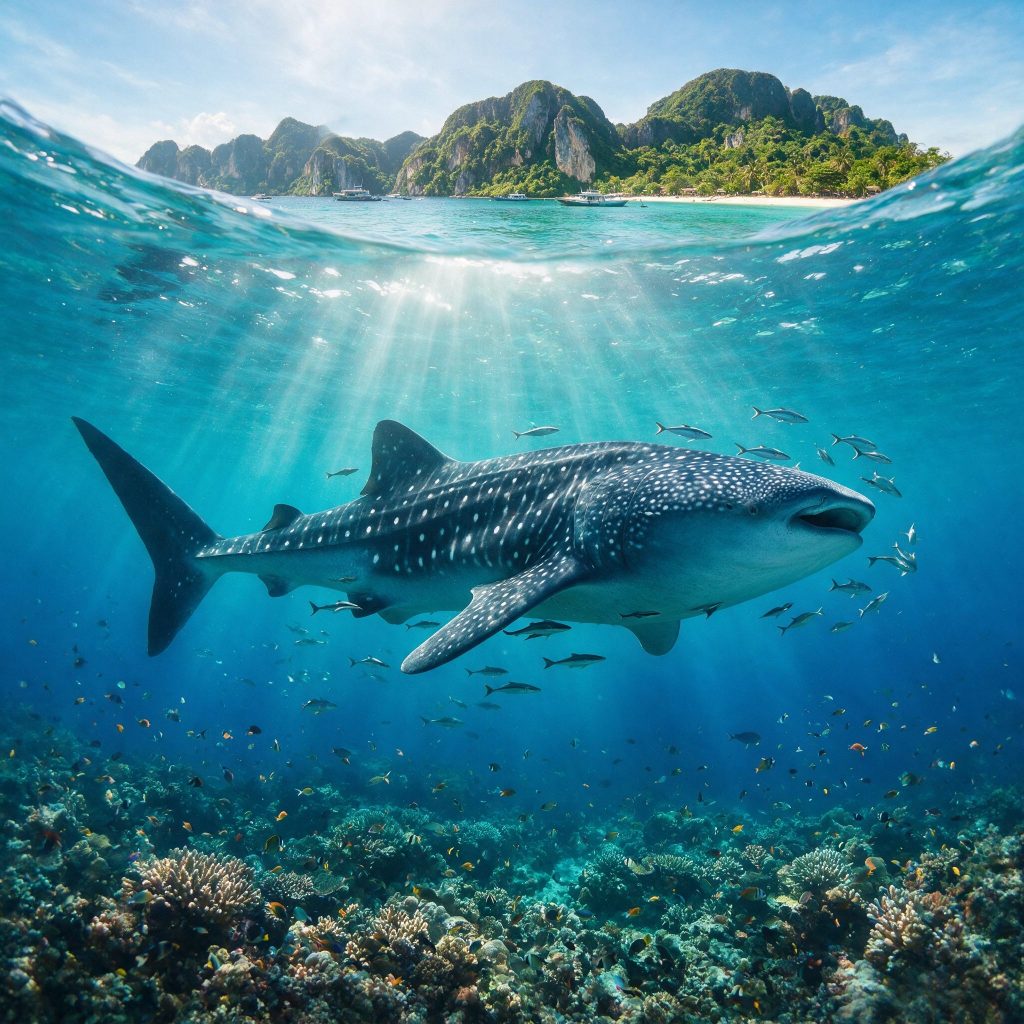
If you’re new to diving, start here. Koh Tao has trained more Open Water divers than almost anywhere else on the planet, and for good reason.
Beginner-Friendly Everything
The water is warm, the visibility is generally excellent, and the dive schools are everywhere. I got certified on a nearby island years ago and wished I’d just started in Koh Tao instead. The community here genuinely wants new divers to fall in love with the sport.
Budgeting Your Trip
A full Open Water certification here often costs less than a weekend course back home. Add in cheap guesthouses and $2 pad thai, and you’ve got one of the most budget-friendly ways to become a certified diver anywhere in the world.
3. Raja Ampat, Indonesia
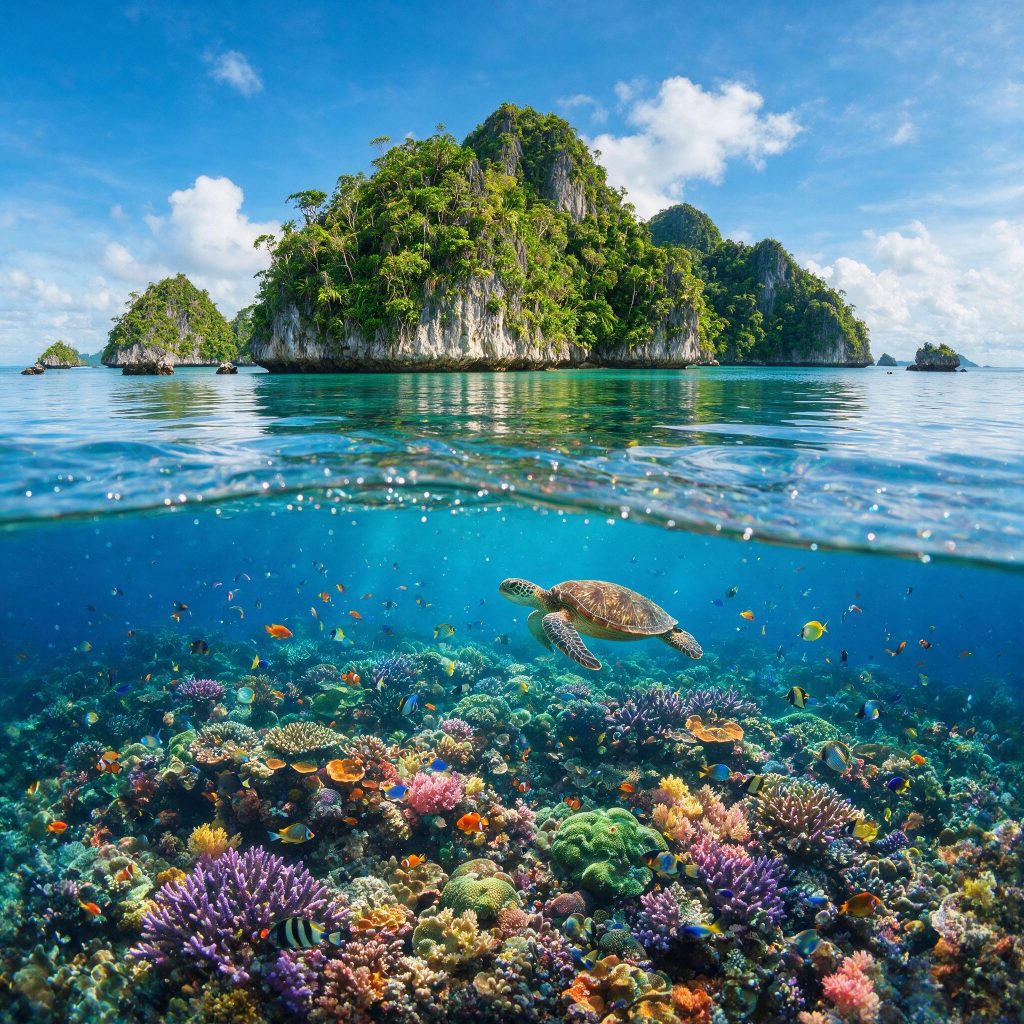
This is the bucket-list dive for a reason. Raja Ampat sits at the heart of the Coral Triangle, and the biodiversity here is almost hard to process the first time you see it.
The Numbers Are Wild
Reef systems here host an extraordinary range of fish and coral species packed into surprisingly short distances. One dive you’re gliding over a gentle slope, the next you’re caught in a current-swept channel, and then suddenly you’re facing a sheer wall.
Getting There
Raja Ampat is remote, and that’s part of its charm. Most trips involve a flight to Sorong followed by a boat transfer, so budget extra travel days. A liveaboard is often the smartest way to see the most territory without wasting dive days on transit.
4. Tubbataha Reefs, Philippines
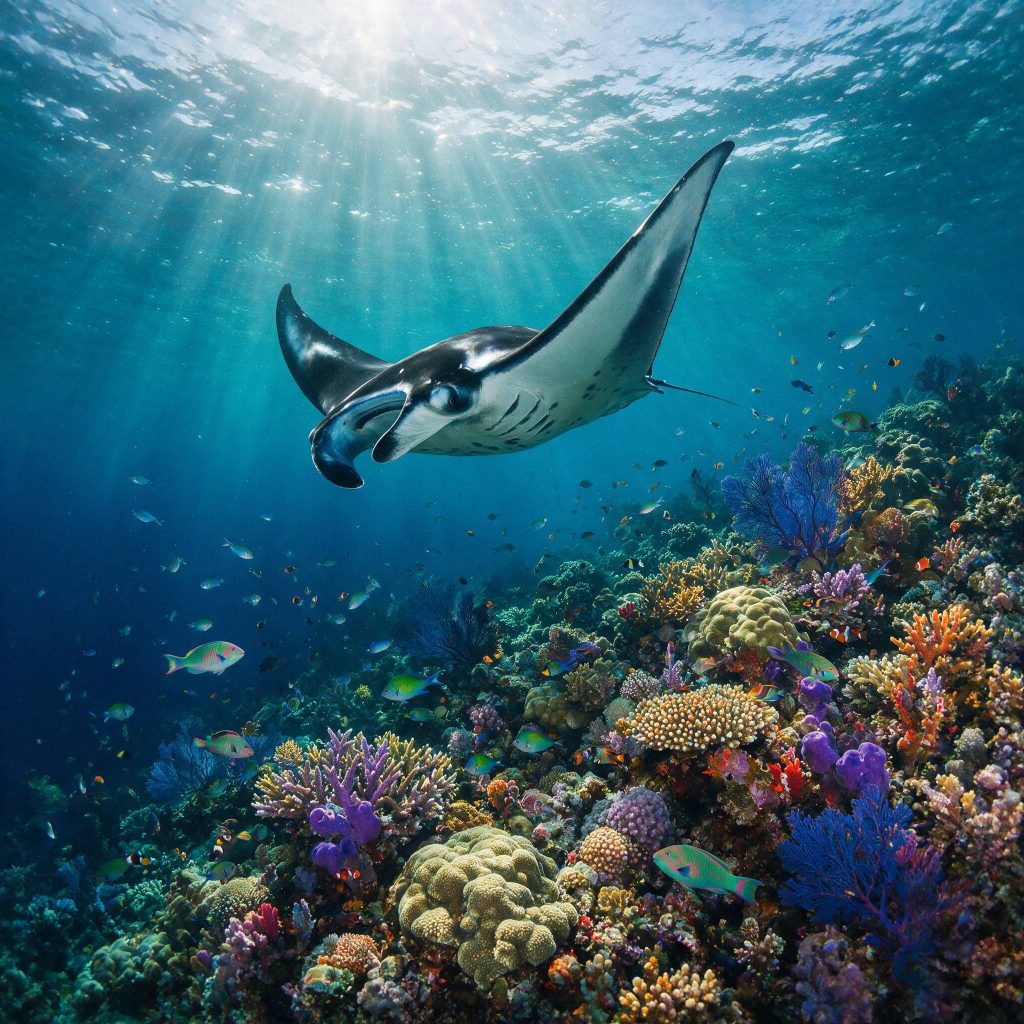
Tubbataha is one of Asia’s last truly wild marine environments, and it’s only accessible by liveaboard, which keeps the crowds thin and the reef pristine.
A UNESCO-Protected Sanctuary
<cite index=”6-1″>Declared a UNESCO World Heritage Site, this protected sanctuary in the Sulu Sea features pristine reefs, dramatic drop-offs, and regular encounters with large pelagic species, with visibility often exceeding 40 meters.</cite>
Plan Around the Season
The dive season here is short, typically running from mid-March through June. Book your liveaboard early, because spots fill up fast once word gets out each year.
5. Komodo National Park, Indonesia
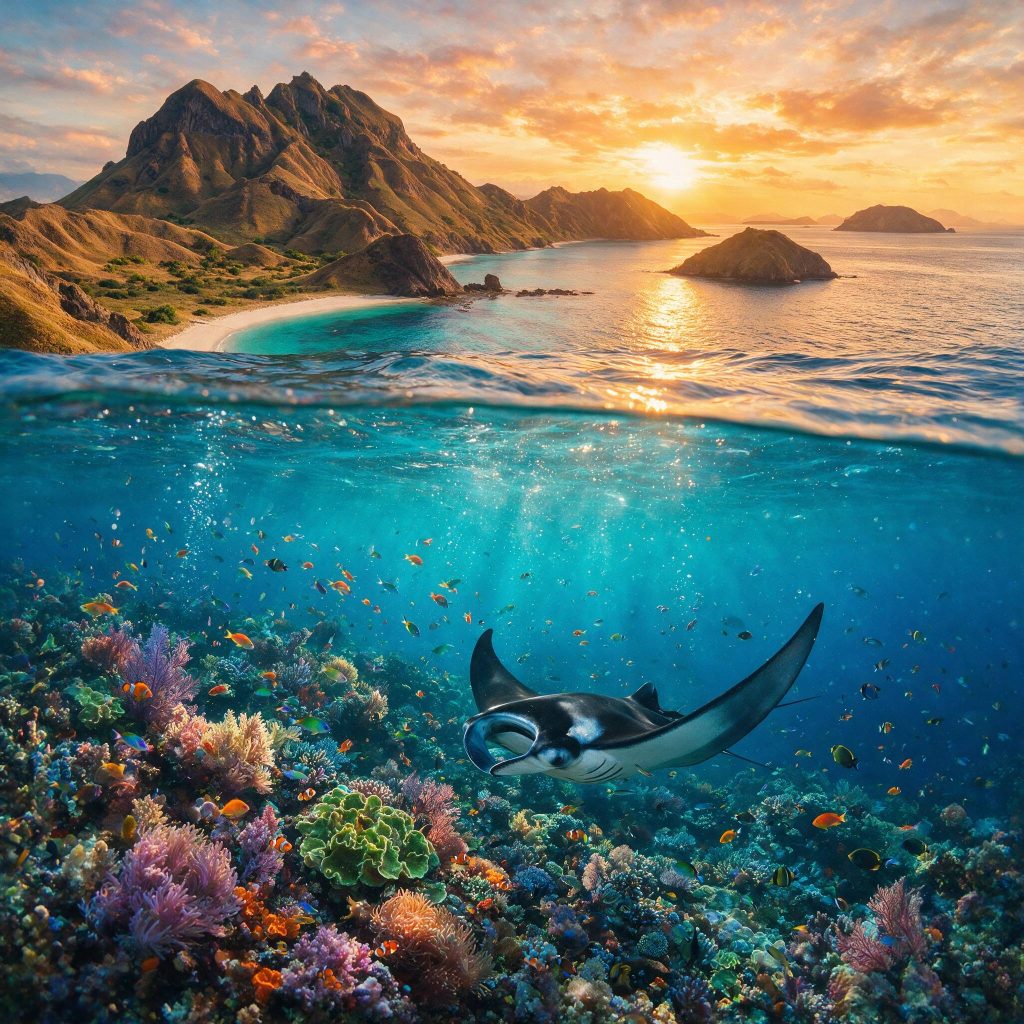
Yes, the dragons are here, but the diving might actually steal the show. Komodo is famous for current-charged manta ray encounters that leave even experienced divers speechless.
Currents Are the Main Character
This isn’t a spot for your very first dive. The currents here are strong, and dive sites can shift from calm to intense within minutes. That said, this is exactly what draws in the big pelagic life divers travel across the world to see.
Combine It With Land Adventures
Since you’re already there, spend a day hiking to see the Komodo dragons themselves. It’s a strange, memorable pairing of adventures that few destinations can offer in one trip.
6. Similan Islands and Richelieu Rock, Thailand
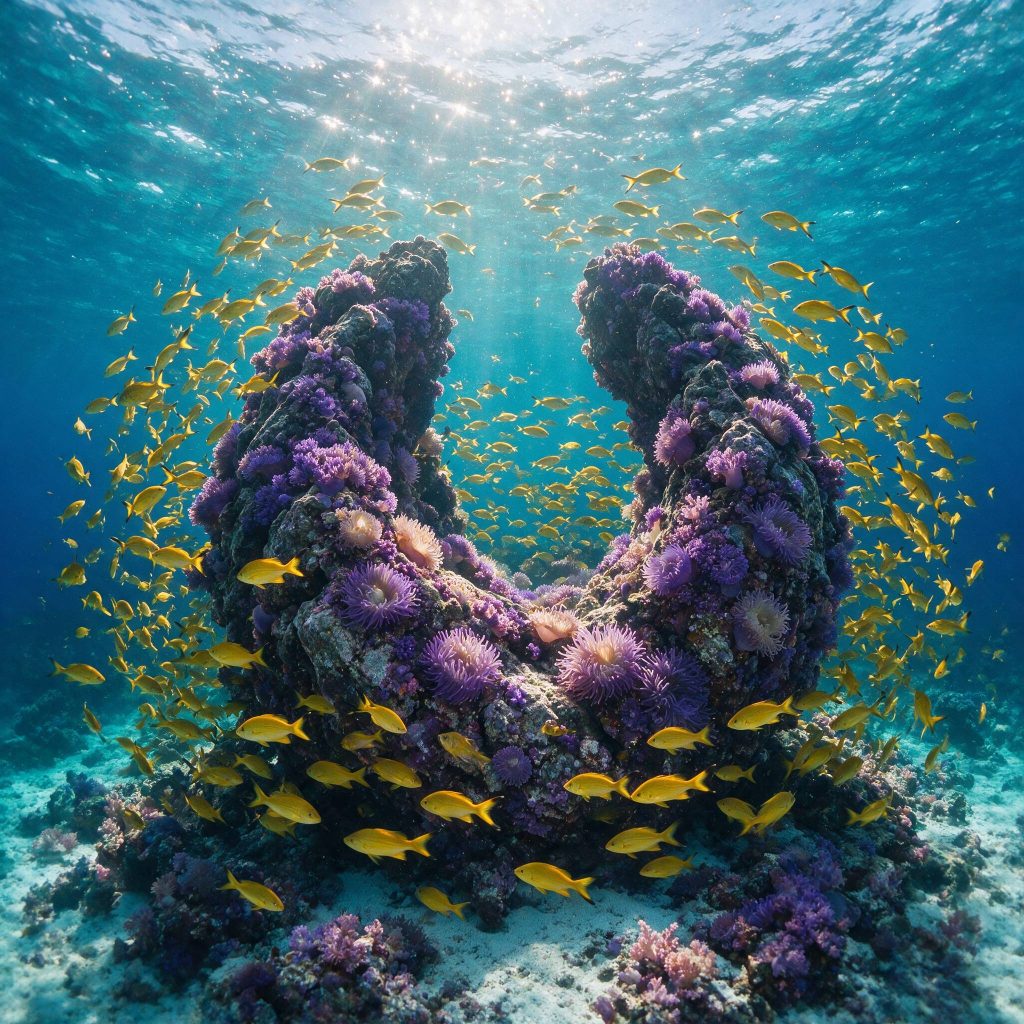
Thailand isn’t just about Koh Tao. Head further west and you’ll find the Similan Islands, along with the legendary Richelieu Rock.
A Photographer’s Dream
Richelieu Rock is a horseshoe-shaped pinnacle covered in soft coral, and it’s famous among underwater photographers for a reason. Whale sharks pass through seasonally, and the macro life here is just as impressive as the big stuff.
Best Time to Visit
The dive season runs roughly from November through April. Outside that window, monsoon conditions close most operators, so timing your trip matters here more than almost anywhere else on this list.
7. Okinawa, Japan
Most people don’t think of Japan when scuba diving comes to mind, but Okinawa quietly delivers some of the clearest water in East Asia.
Warm Water Meets Japanese Precision
The visibility here rivals anywhere in Southeast Asia, and the dive operations run with the kind of precision and professionalism Japan is known for. Expect dramatic rock formations, healthy reefs, and a noticeably calmer, less crowded vibe.
A Cultural Detour
Okinawa also gives you a completely different side of Japan. Think laid-back island culture, unique local cuisine, and a slower pace than mainland cities like Tokyo or Osaka.
8. Bohol, Philippines
Bohol keeps popping up on expert lists for a reason. It’s reliable, accessible, and delivers consistently good conditions without the remoteness of somewhere like Tubbataha.
A Macro Playground
If you love spotting tiny, bizarre critters through your mask, Bohol’s muck diving sites will keep you entertained for days. Nudibranchs, seahorses, and frogfish are common finds here.
Great for Mixed Groups
This is a smart pick if you’re traveling with a mix of divers and non-divers. Panglao Island, just off Bohol, has enough beaches and resorts to keep everyone happy topside.
9. Nusa Penida, Indonesia
Just a short boat ride from Bali, Nusa Penida has become one of Indonesia’s most talked-about dive destinations, largely thanks to one very famous fish.
Meeting the Mola Mola
Between July and October, divers flock here hoping to spot the ocean sunfish, known as the mola mola. Seeing one drift up from the deep is an unforgettable, slightly surreal experience.
Strong Currents, Big Rewards
Like Komodo, this spot demands respect for currents. It’s better suited to divers with some experience under their weight belt, but the payoff is genuinely worth the extra caution.
10. Lembeh Strait, Indonesia
We’ll close out the list with a spot that’s less about big animals and more about the tiny, weird, and wonderful.
The Muck Diving Capital
<cite index=”3-1″>The Lembeh Strait in North Sulawesi has earned its reputation as Southeast Asia’s capital for muck diving, with exceptional macro marine diversity that makes it arguably the best spot in the world for discovering unusual, tiny species.</cite>
Perfect for Photography Nerds
If you dive with a camera, this is your playground. Mimic octopuses, flamboyant cuttlefish, and hairy frogfish are the kind of sightings that make macro photographers giddy.
Practical Tips for Planning Your Asia Dive Trip
Now that you’ve got your shortlist, let’s talk logistics. These are the details that make or break a trip.
Get Certified Before You Go, or Do It There
If you’re not yet certified, doing your Open Water course in a place like Koh Tao is often cheaper and more relaxed than back home. If you’re already certified, bring your card and logbook everywhere.
Budget Beyond the Dives
Factor in gear rental, marine park fees, and tips for your dive guides. These add up fast, especially in protected areas like Sipadan or Komodo where permits are required.
Time Your Trip Around Seasons
Asia’s dive seasons vary wildly by region. What’s peak season in Thailand might be monsoon season in the Philippines. Always check regional conditions before locking in flights.
Choose Reef-Safe Operators
Look for dive centers that emphasize responsible practices, like limiting group sizes and avoiding reef contact. Asia’s coral is a treasure worth protecting, not just admiring.
Pack Smart
Bring reef-safe sunscreen, a rash guard for sun protection between dives, and a dry bag for your electronics. Many remote dive spots have limited gear shops, so don’t count on buying supplies once you arrive.
Making the Most of Your Trip Beyond the Water
Diving is often just one piece of a bigger Asia adventure. Many travelers combine a dive-focused stop with a longer route through multiple countries, mixing temples, street food, and beach time between dive days. If you’re dreaming up a longer route through the region, our guide on planning the ultimate multi-country Asia tour for couples is a great next stop for building out your full itinerary.
Whether you’re a solo backpacker island-hopping through Southeast Asia, a family looking for a beginner-friendly reef, or an adventure seeker chasing mantas in strong current, there’s a dive spot on this list built for you. Asia rewards travelers who show up curious and leave a little more in awe of the ocean than when they arrived.
As one old diving instructor once told me, the sea doesn’t care how experienced you are. It only asks that you respect it. Pack your bags, book that first dive, and go discover the magic waiting beneath Asia’s waves.