

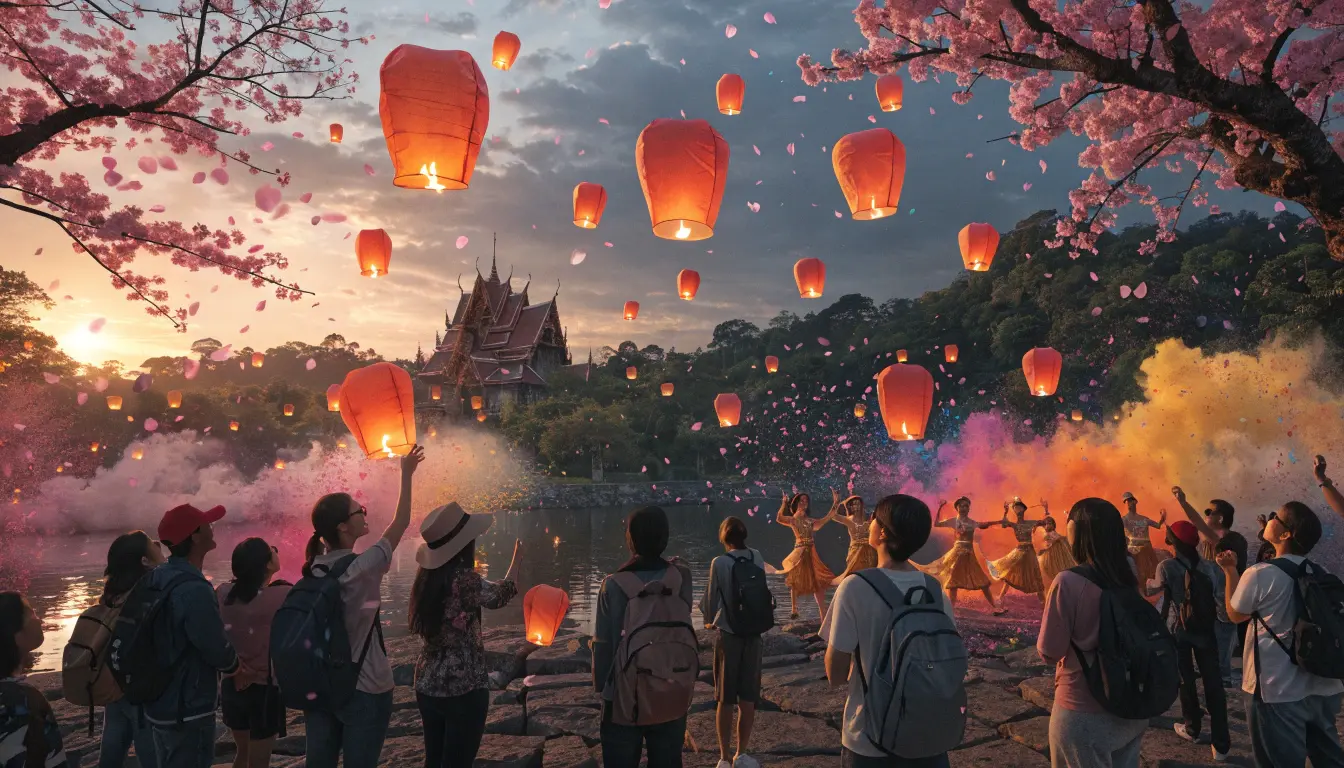
I still remember my first festival in Asia. I was soaked head to toe in colored powder. A stranger in Jaipur smiled and threw pink dust right into my face. I laughed so hard I snorted purple. That was Holi. That moment changed everything. I realized Asia isn’t just a place you visit. It’s a place you feel.
Over the last decade, I’ve chased lanterns in Thailand. I’ve dodged water guns in Bangkok. I’ve sat cross-legged in silent temples in Japan. I’ve eaten my way through night markets in Malaysia. Every festival taught me something new. Every celebration opened a door I didn’t know existed.
If you are an asia tourist looking for magic, festivals are your golden ticket. They reveal the soul of a country. You don’t just see the culture. You breathe it. You taste it. You dance in it.
This guide shares twelve traditional festivals across the continent. I’ve included personal stories, practical budgets, and hard-won advice. I want you to skip my mistakes. I want you to have the adventure of a lifetime.
Before we dive in, I have something for you. I created an ebook bundle called 8 Countries, 1 Epic Adventure – Your Perfect Printable Guide Collection. It covers China, Japan, Malaysia, India, Indonesia, UAE, Thailand, and the Philippines. Each guide has printable itineraries, top activities, best destinations, and essential budgeting tips. Grab it before you book your flights.
1. Holi – The Festival of Colors, India
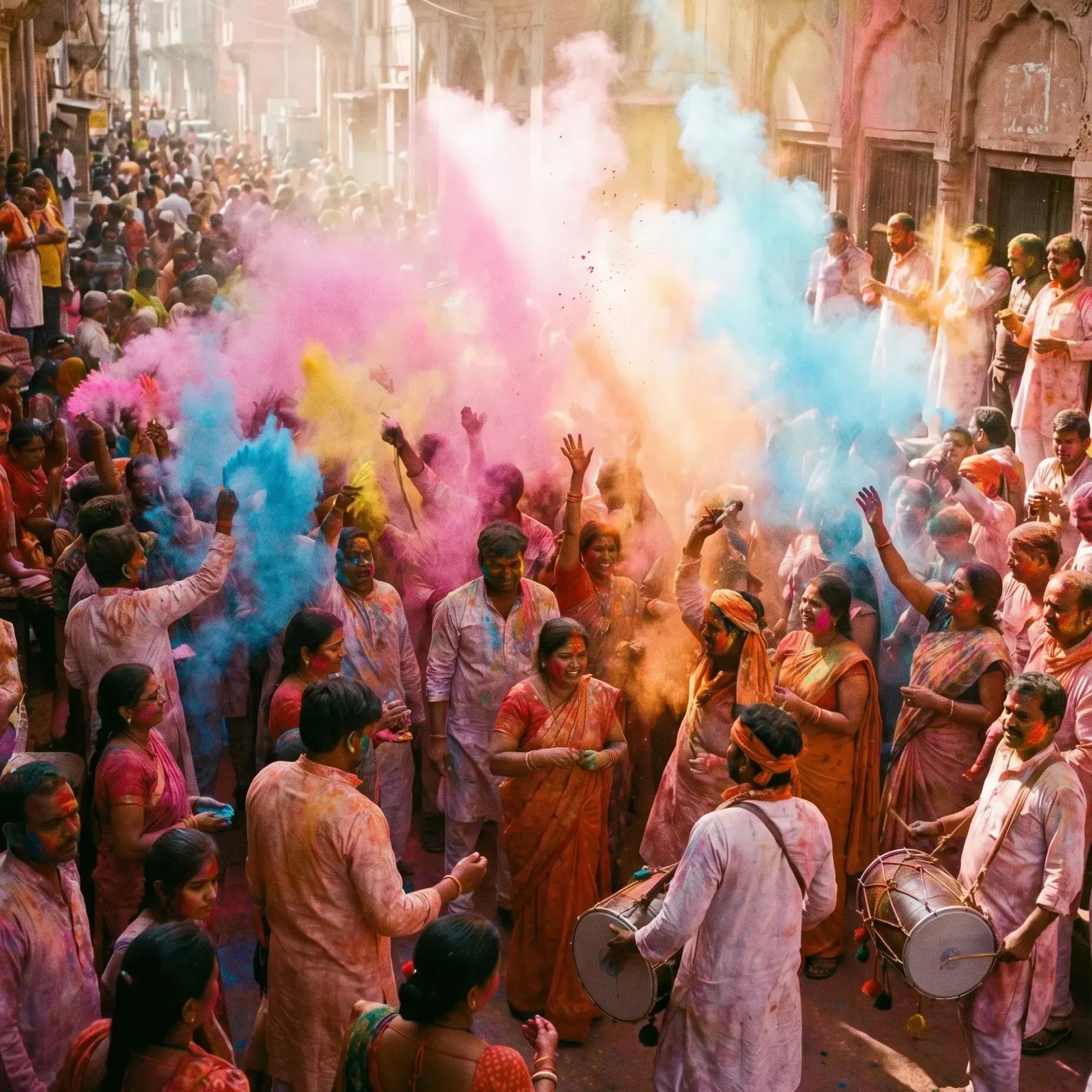
Holi is chaos wrapped in joy. It happens every March during the full moon. Locals gather in streets and throw colored powders into the air. Everyone becomes equal under clouds of pink, green, and gold.
I celebrated in Pushkar, Rajasthan. I wore white clothes I never planned to keep. By noon, I looked like a walking rainbow. Strangers hugged me. They offered sweet gujiya pastries and spiced thandai drinks. The energy was electric and pure.
Practical Tips:
- Book hotels two months early. Prices triple in festival cities.
- Wear cheap sunglasses. Protect your eyes from powder.
- Use organic colors. Chemical dyes sting your skin.
- Stay in a family-run guesthouse. The home-cooked meals are unforgettable.
India is full of hidden gems in Asia, and Holi reveals the warmest one: its people.
2. Diwali – Festival of Lights, India
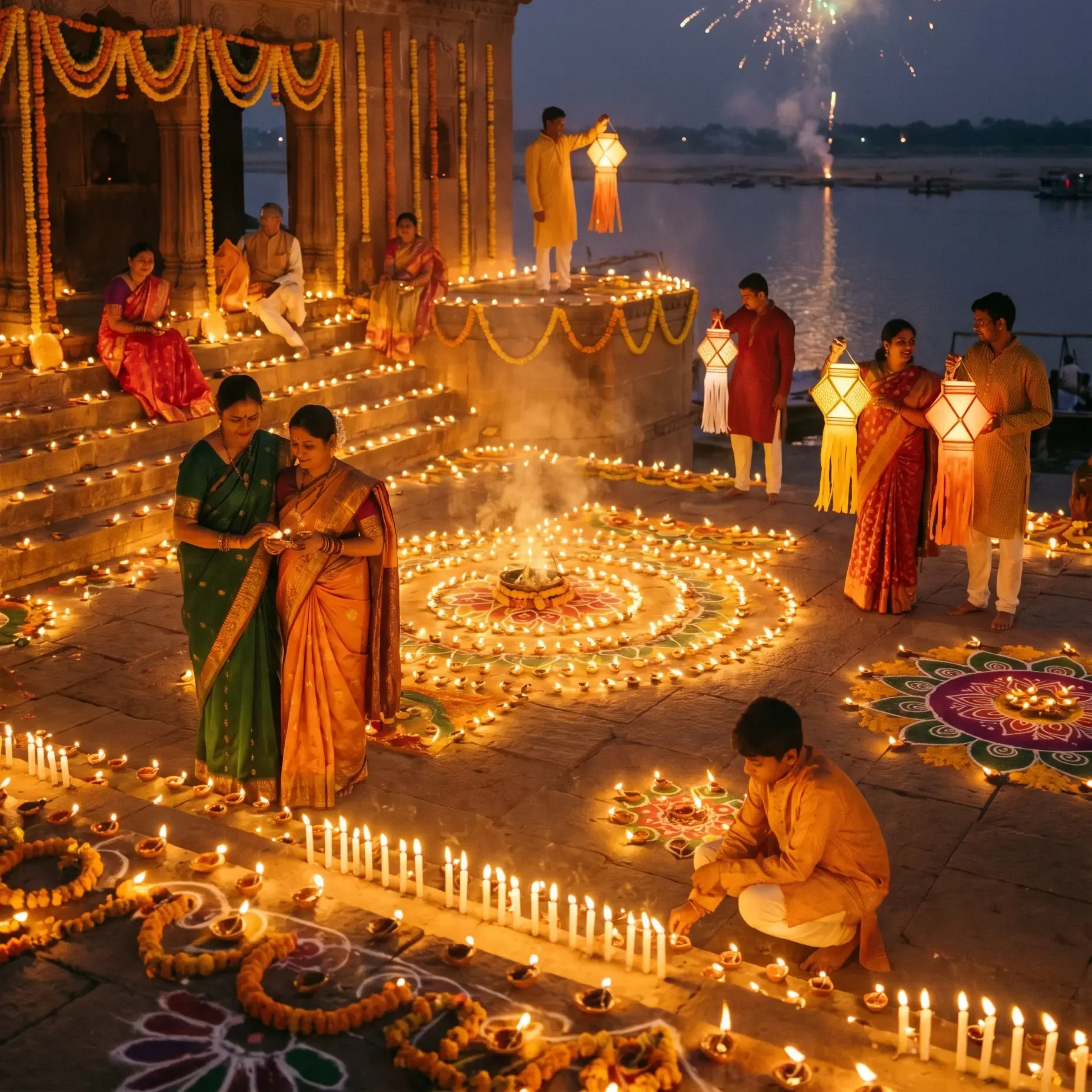
Diwali arrives in October or November. It celebrates the victory of light over darkness. Families light oil lamps called diyas. They burst fireworks. They share sweets and wear new clothes.
I spent Diwali in Varanasi. The ghats along the Ganges glowed with thousands of tiny flames. Fireworks cracked overhead. A local family invited me into their home. We ate mithai until my teeth ached. It felt like Christmas, New Year, and Thanksgiving combined.
Practical Tips:
- Varanasi and Jaipur offer the most photogenic celebrations.
- Bring earplugs for the firework noise.
- Respect local customs. Remove shoes before entering homes.
- Budget around $40 per day for food and lodging.
3. Chinese New Year – Spring Festival, China
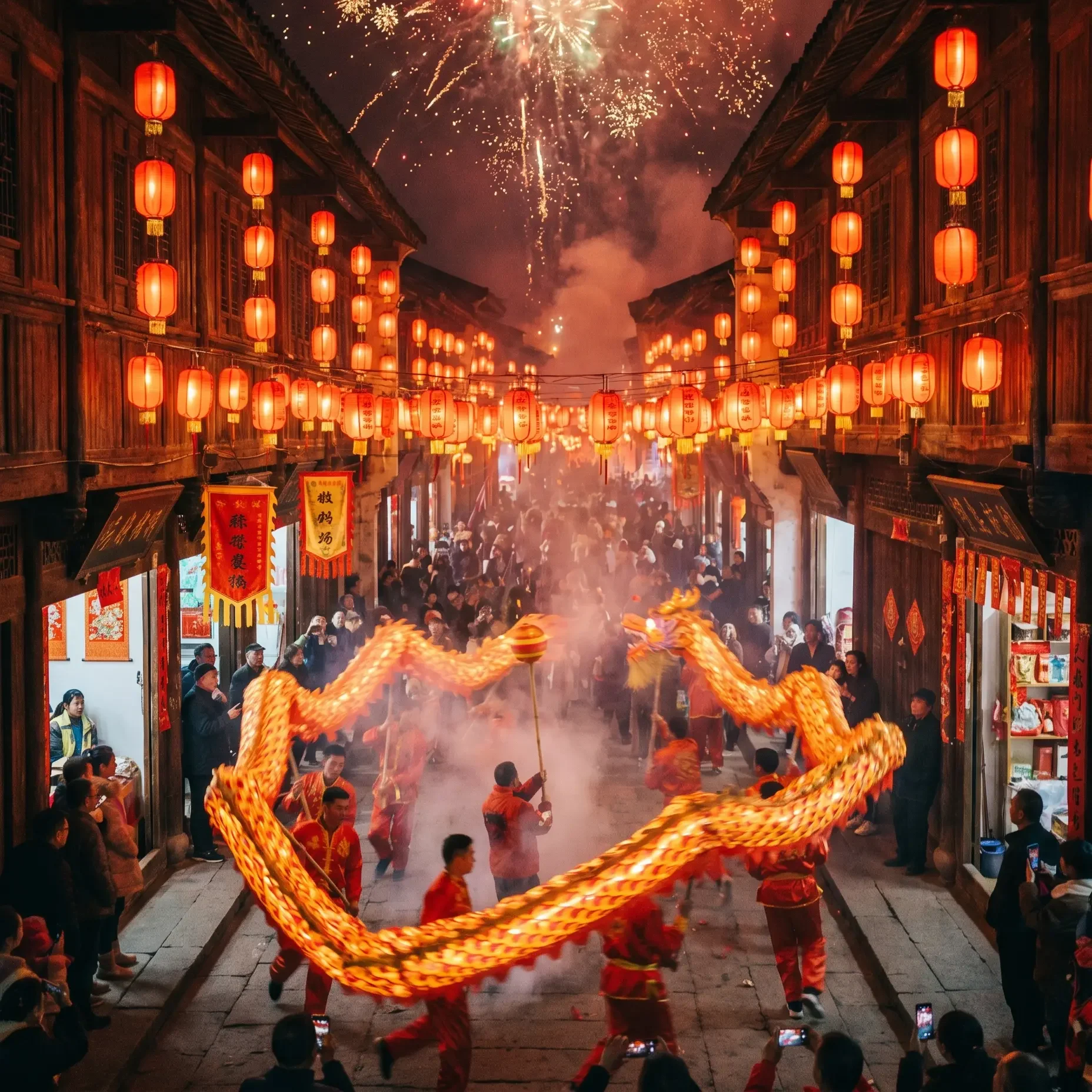
Chinese New Year is the largest human migration on Earth. Over a billion people travel home. Red lanterns hang everywhere. Dragon dances snake through streets. Families feast on dumplings and fish.
I was in Beijing one February. The city felt empty at first. Then I discovered temple fairs. I ate candied hawthorn sticks. I watched acrobats flip through hoops. At midnight, fireworks erupted for thirty minutes straight. The sound shook my chest.
Practical Tips:
- Avoid travel during the actual dates. Trains sell out instantly.
- Book accommodation in hutong neighborhoods. The courtyard hostels are charming.
- Try jiaozi dumplings. They symbolize wealth and prosperity.
- Carry cash. Many small vendors do not accept cards.
4. Hanami – Cherry Blossom Season, Japan
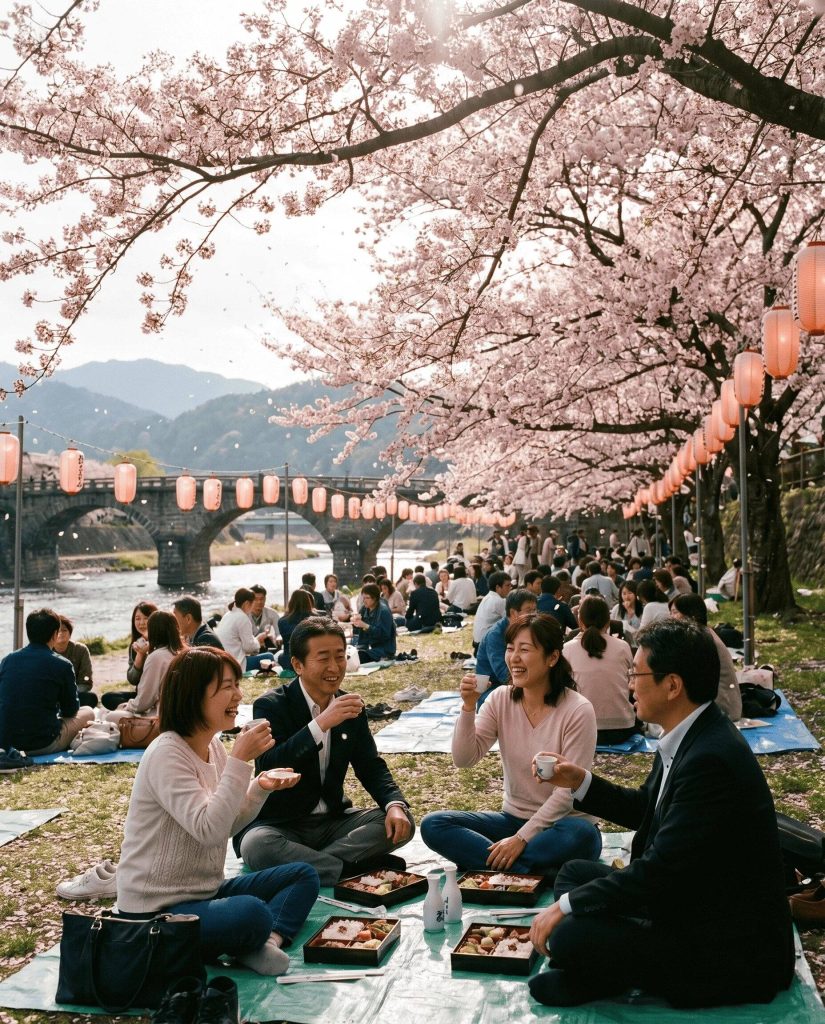
Hanami is not a festival with a parade. It is a quiet, beautiful ritual. Every spring, Japanese families picnic under blooming cherry trees. They drink sake. They write poetry. They simply exist in the moment.
I sat under the trees in Kyoto’s Maruyama Park. Petals fell like snow. An elderly man offered me a rice ball. We did not share a language. We shared a smile. That is the magic of east asia.
Practical Tips:
- Bloom forecasts matter. Check them weekly in March.
- Pack a picnic blanket and snacks from a convenience store.
- Visit lesser-known spots like Yoshino or Kakunodate. They have fewer crowds.
- Stay in a capsule hotel or ryokan for the full experience.
5. Songkran – Thai New Year Water Festival, Thailand
Songkran is the world’s biggest water fight. It lasts three days in mid-April. Locals arm themselves with buckets and water guns. No one is safe. Not the monk. Not the tourist. Not the grandma selling noodles.
I stood on Khao San Road with a Super Soaker. A pickup truck rolled by. Ten kids in the back doused me with ice water. I shrieked. Then I laughed. Then I fought back.
Practical Tips:
- Waterproof your phone. Bring a dry bag.
- Wear quick-dry clothes and sturdy sandals.
- Chiang Mai has the most traditional celebrations.
- Budget hostels cost $10 to $15 per night.
6. Loy Krathong – Festival of Floating Lanterns, Thailand
Loy Krathong happens on the full moon of the twelfth lunar month. People craft lotus-shaped rafts from banana leaves. They add flowers, incense, and candles. Then they float them down rivers to honor the water goddess.
In Sukhothai, I released my own krathong. The ancient park glowed with hundreds of flickering lights. Lanterns rose into the sky like orange stars. It was the most romantic night of my travels.
Practical Tips:
- Sukhothai Historical Park is the most stunning venue.
- Make your own raft at local workshops.
- Combine this trip with Yi Peng in Chiang Mai.
- Book transport early. Everyone moves north for this.
7. Sinulog – Cebu, Philippines
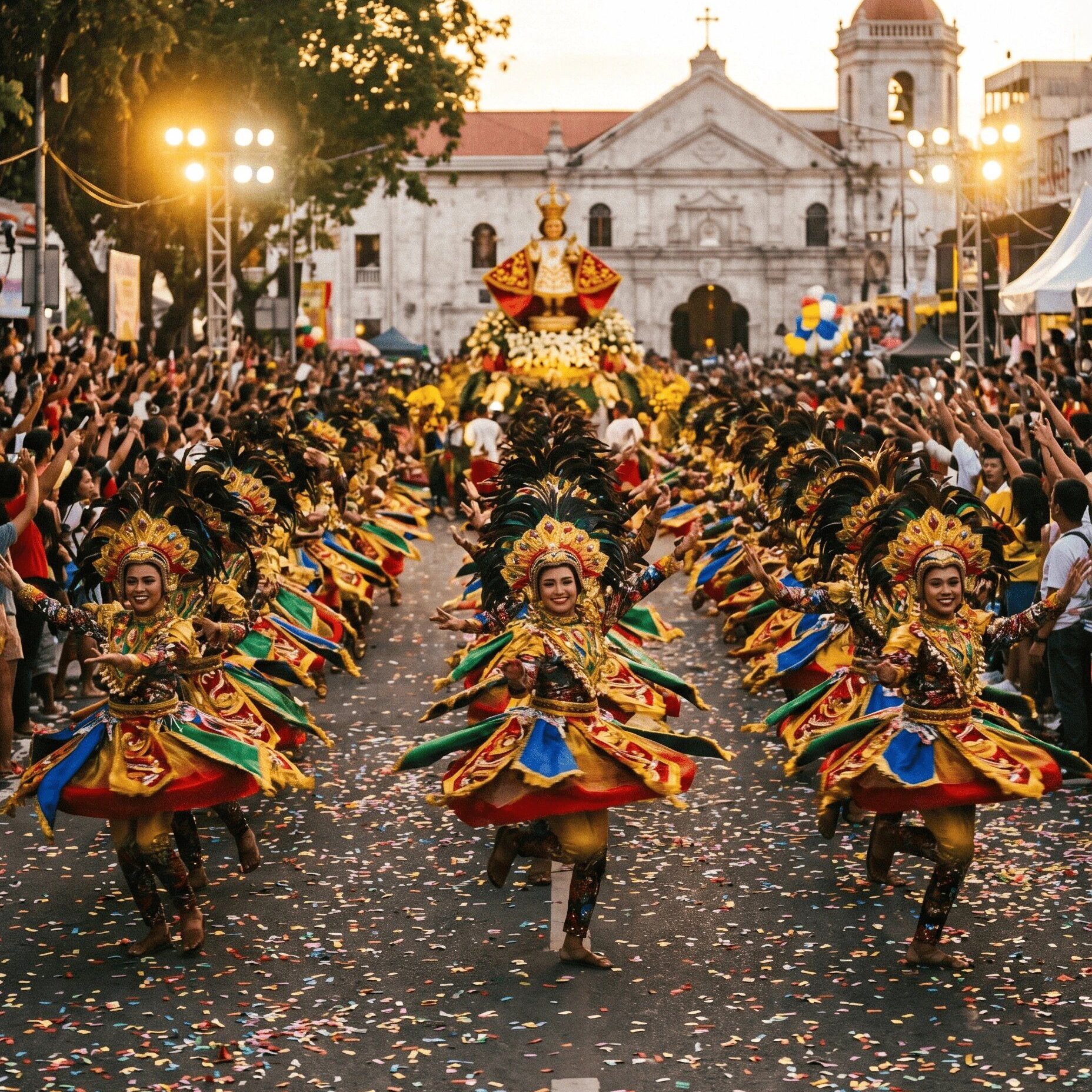
Sinulog honors the Santo Niño, the child Jesus. It happens every January in Cebu City. Millions wear yellow and black. They dance in the streets for nine hours. Drums pound. Bodies sway. Faith and fiesta become one.
I joined the crowd at dawn. My feet hurt by noon. My heart soared until midnight. Filipinos know how to throw a party. The street food alone is worth the flight. Try lechon. It is crispy, juicy perfection.
Practical Tips:
- Book flights to Cebu months ahead. Seats vanish fast.
- Stay in nearby Mandaue or Lapu-Lapu for cheaper hotels.
- Hydrate constantly. The tropical sun is no joke.
- Bring comfortable dancing shoes. You will use them.
8. Thaipusam – Batu Caves, Malaysia
Thaipusam is intense and deeply spiritual. Hindu devotees pierce their cheeks with skewers. They carry heavy kavadi altars up 272 steps. They do this to fulfill vows and show devotion.
I watched from the base of Batu Caves near Kuala Lumpur. The atmosphere buzzed with chanting and drumbeats. I felt humbled. I felt small. I felt grateful to witness such faith.
Practical Tips:
- Arrive before 7 a.m. to beat the heat and crowds.
- Dress modestly. Cover your shoulders and knees.
- Take the KTM train from Kuala Lumpur. Traffic is brutal.
- Visit the cave temples even if you skip the festival day.
Malaysia remains one of the most underrated hidden gems in Asia for cultural travelers.
9. Baliem Valley Festival – Papua, Indonesia
This festival gathers tribes from Papua’s highlands. They wear feather headdresses and body paint. They stage mock battles with spears and shields. It feels like traveling back five hundred years.
I trekked into the valley in August. The landscape alone stole my breath. Green mountains rolled like ocean waves. Then the warriors appeared. Their cries echoed through the valley. I had never seen anything like it.
Practical Tips:
- Fly to Wamena from Jayapura. Book seats early.
- Hire a local guide. Language barriers are real here.
- Bring warm clothes. The highlands get chilly at night.
- Respect photography rules. Always ask before snapping.
10. Al Dhafra Festival – Abu Dhabi, UAE
The Al Dhafra Festival celebrates Bedouin heritage. It features camel beauty contests. Yes, you read that right. Thousands of camels compete for million-dollar prizes. There are also falconry shows, date auctions, and traditional poetry contests.
I stood beside a judge as he inspected a camel’s eyelashes. The crowd cheered like it was the World Cup. The pride in Emirati culture was palpable. The dates I ate were the sweetest I have ever tasted.
Practical Tips:
- The festival runs in December and January near Madinat Zayed.
- Rent a car from Abu Dhabi. Public transport is limited.
- Try luqaimat dumplings and Arabic coffee.
- Combine this with a trip to the Empty Quarter desert.
11. Naadam – Mongolia
Naadam is the “Three Games of Men.” It features wrestling, horse racing, and archery. It happens every July across Mongolia. The opening ceremony in Ulaanbaatar is spectacular. Athletes parade in traditional deel robes.
I traveled to the countryside for a local Naadam. Children as young as six raced horses across open plains. Wrestlers grappleled in leather boots. Families camped in ger tents and served fermented mare’s milk. It was raw. It was real.
Practical Tips:
- Ger camps offer the most authentic stays.
- Bring sunscreen and a bandana. Dust storms happen.
- Learn a few Mongolian phrases. Locals love the effort.
- July is peak season. Book domestic transport early.
12. Boryeong Mud Festival – South Korea
This festival started as a marketing stunt for local cosmetics. Now it draws two million visitors every July. People wrestle in mud pits. They slide down muddy super-soakers. They cover each other in grey clay and grin like kids.
I dove into a mud pool with strangers. We became instant friends. Afterward, I floated in the Yellow Sea and watched the sunset. My skin felt incredible for a week.
Practical Tips:
- Boryeong is two hours from Seoul by train.
- Bring old swimwear. The mud never fully washes out.
- Stay in a minbak guesthouse near Daecheon Beach.
- Try hoe raw fish at the beachfront stalls.
My Hard-Won Tips for Festival Travel in Asia
After years of chasing celebrations across the continent, here is what I wish I knew sooner.
Book Early
Festivals transform sleepy towns into packed destinations. Hotels fill up. Prices spike. I once paid triple for a room in Pushkar. Never again.
Pack Light but Smart
Bring a daypack with water, snacks, and a portable charger. Comfortable shoes matter more than cute ones. Trust me on this.
Respect Local Customs
Watch before you participate. Some rituals are sacred. Ask permission before photographing people. A smile goes further than a camera lens.
Eat the Street Food
Festivals serve the best local dishes. Follow the queues. If locals are lining up, the food is safe and delicious.
Stay Flexible
Plans change. Buses break down. Rain arrives. Embrace the chaos. The best stories come from the mishaps.
If you want deeper help planning, grab my 8 Countries, 1 Epic Adventure – Your Perfect Printable Guide Collection. It covers China, Japan, Malaysia, India, Indonesia, UAE, Thailand, and the Philippines. You get printable table itineraries, top activities, best destinations, and essential budgeting tips. It is the companion I wish I had when I started.
Asia is not a checklist. It is a feeling. It is color on your skin. It is drums in your chest. It is kindness from strangers who become friends.
Every festival on this list changed how I see the world. They will change you too. You just have to say yes. You have to book the ticket. You have to show up.
So pack your bags. Buy the water gun. Eat the strange snack. Dance in the street. Discover the magic of Asia.
“The world is a book, and those who do not travel read only one page.” — Saint Augustine