

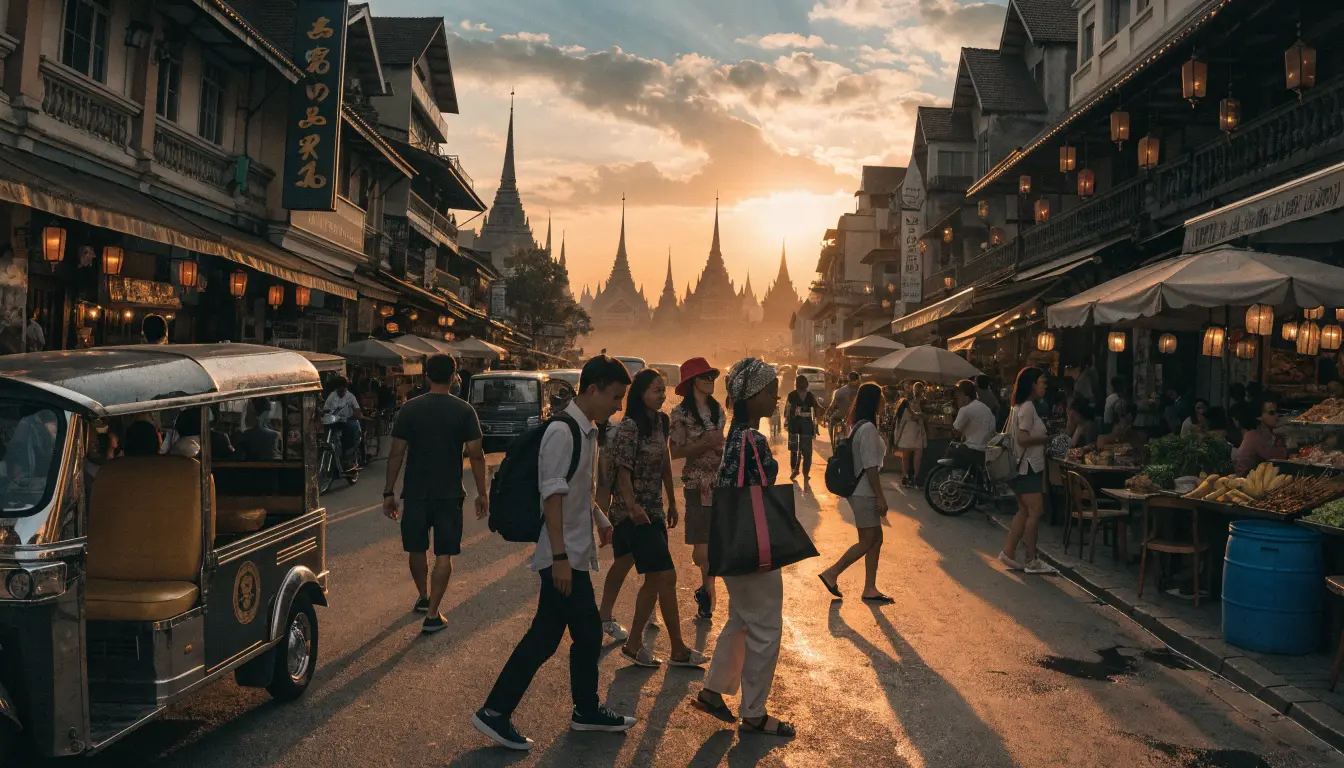
The first time Asia really “clicked” for me was in a tiny noodle shop in Hanoi.
Rain was pouring outside, scooters were honking like a wild orchestra, and inside it was just steam, chatter, and the richest broth I’d ever tasted. I remember thinking, “So this is Asia… and I’ve barely scratched the surface.”
If you are dreaming about Asia tours right now, you are in the perfect place. You might be a first‑time Asia tourist, a solo traveler, a family planner, or an adventure seeker. Wherever you fall, this guide will walk you through how to plan, budget, and enjoy Asia in a way that feels both exciting and manageable.
Why Asia Tours Feel So Magical
Asia is a continent where ancient temples sit next to neon‑lit skyscrapers. You can wake up to mountain air in Nepal and fall asleep to ocean waves in Thailand.
What makes Asia unforgettable is the mix of:
- Deep, living cultures that shape daily life.
- Food that tells a story in every bite.
- Landscapes that range from rice terraces to deserts and tropical islands.
Once you get a taste of this continent, you rarely stop at one trip.
Picking Your First Asia Tour: Start With Your Travel Style
Instead of asking “Where should I go?”, ask “How do I like to travel?” first.
For Culture Lovers and History Buffs
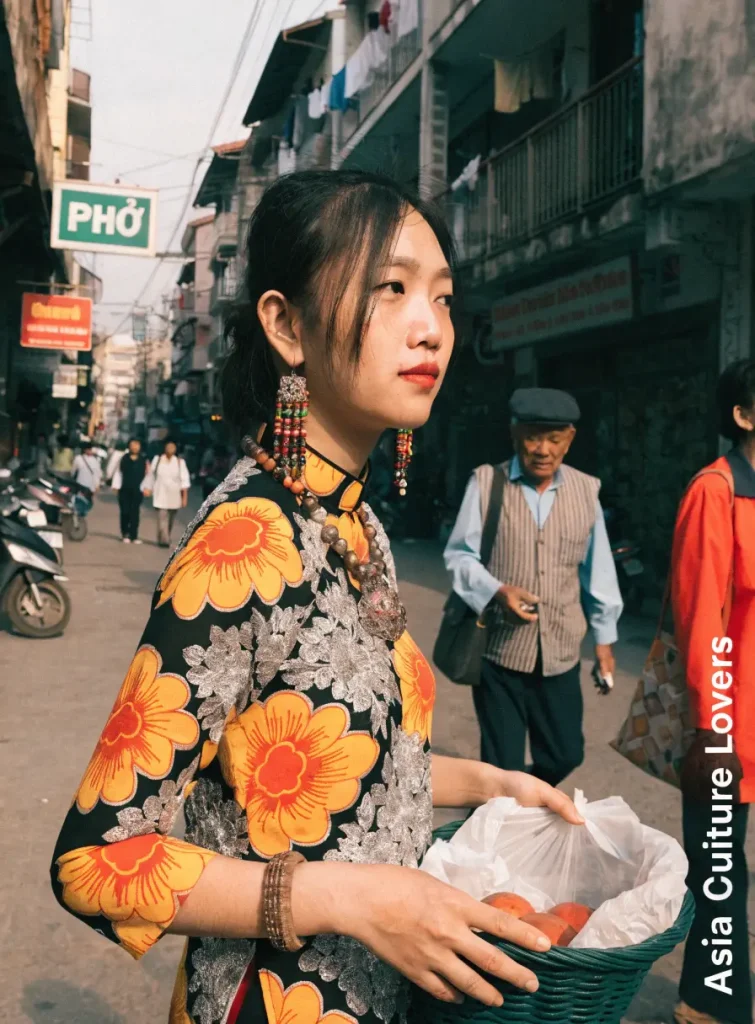
If you love temples, museums, and old towns, focus on:
- East Asia: Japan, South Korea, Taiwan.
- Southeast Asia: Vietnam, Cambodia, Laos, Thailand.
Think Kyoto’s shrines, Seoul’s palaces, or Angkor Wat at sunrise.
On one trip, I spent days wandering Kyoto’s side streets. I watched locals in traditional dress hurry to evening prayers. It felt like walking through a living museum, not a staged show.
For Beach Lovers and Relaxed Travelers
If you want sun, sand, and laid‑back days, look at:
- Thailand’s islands like Krabi, Koh Lanta, Koh Samui.
- Indonesia’s Bali and nearby islands.
- The Philippines’ Palawan and Cebu.
These are perfect if you are overwhelmed and want your first Asia tour to be simple and relaxing.
For Adventure Seekers
If you want hiking, motorbikes, and wild stories:
- Nepal’s trekking routes.
- Northern Vietnam’s mountains and motorbike loops.
- Indonesia’s volcano hikes.
On one trip, I joined a small group trek in Nepal. We hiked through villages where children ran out to wave. Evenings were spent around a stove, trading stories with travelers from five continents. That kind of connection sticks with you long after your flight home.
Planning Your Asia Tour Without Overwhelm
Asia is huge. Trying to “see it all” in one trip is the fastest way to burn out.
Step 1: Choose 1–3 Countries, Not 8
For a two‑ or three‑week trip, one or two countries is ideal. Three is possible if they are close together, like Thailand, Cambodia, and Vietnam.
When I tried to cram five countries into one month, I spent more time at airports than temples. Lesson learned: depth beats speed.
If you want ready‑made itineraries for multiple countries, you can grab “Y8 Countries, 1 Epic Adventure – Your Perfect Printable Guide Collection” with flexible itineraries, budgeting tips, and must‑see spots. It is available as a printable, phone‑friendly bundle on this epic multi‑country Asia guide collection.
Step 2: Check Seasons and Weather
Monsoon seasons can change everything. Some islands shut down, and certain treks become dangerous. Always check:
For example, visiting Southeast Asia between November and February usually means cooler temperatures and less rain in many areas.
Step 3: Sort Out Visas, Vaccines, and Insurance
Before you hit “book”, check:
- Visa rules for each country.
- Recommended vaccinations and health precautions.
- Travel insurance for medical and trip issues.
Asia is generally friendly and safe for travelers, but solid prep keeps small problems from becoming big ones.
Budgeting for Asia: How Much Do You Really Need?
One of the best parts of Asia tours is how far your money can go.
Daily Budget Ranges
These are rough ranges per day, per person, excluding flights:
- Shoestring backpacker: hostel dorms and street food.
- Mid‑range traveler: guesthouses or boutique hotels.
- Comfortable traveler: nice hotels and more tours.
In many Southeast Asian countries, you can travel on a tight budget with dorms and local food. In East Asia, like Japan or South Korea, prices can be higher, especially for stays and transport.
On one trip, I did Vietnam on a very small budget. I stayed in simple guesthouses, took night buses, and ate mostly street food. It was not fancy, but it was rich in experiences.
Simple Ways to Save Money
- Use budget airlines for regional hops, but pack light to avoid baggage fees.
- Eat where locals eat, not just on the main tourist streets.
- Use local transport, like trains or buses, when possible.
A great habit is to track your spending daily in a note app. That tiny ritual keeps your budget under control without killing the fun.
If you want structured budgeting advice for multiple destinations, Y8 Countries, 1 Epic Adventure – Your Perfect Printable Guide Collection includes essential budgeting tips for each country, so you do not overpay yet still enjoy key experiences.
Getting Around Asia Without Stress
Transport in Asia ranges from ultra modern to delightfully chaotic.
Flights and Trains
Asia has an excellent network of budget airlines, especially in Southeast and East Asia. For longer distances, these can save you days of travel.
Many countries also have reliable and scenic train systems:
Night trains are both an experience and a time saver. You sleep while you travel, which is especially helpful on longer routes.
Local Transport: Tuk‑Tuks, Buses, and More
Within cities, expect options like:
Always check or agree on the price before hopping into a taxi or tuk‑tuk. Many Asia tourists learn this the hard way with their first “welcome” overcharge.
In one city, I forgot to confirm the fare and ended up paying triple the usual rate. It was a small amount, but it reminded me that a quick question can save frustration.
Where to Stay: From Guesthouses to Boutique Hotels
Asia has everything from hostel bunks to jungle villas and luxury skyscraper hotels.
Choosing the Right Area
Before booking, look at:
- Neighborhood safety and vibe.
- Distance to sights and public transport.
- Reviews from other travelers.
For a first‑time Asia tourist, staying in a central but quiet area often hits the sweet spot. You get easy access to top spots without all‑night noise.
Types of Accommodation
You will find:
- Hostels: Great for solo travelers and meeting people.
- Guesthouses and homestays: More local, personal feel.
- Boutique and mid‑range hotels: Perfect for couples and families.
In one small town, I stayed in a family‑run guesthouse. Every morning, the owner’s mother cooked breakfast, and we chatted about local customs. It felt like staying with distant relatives, not a business.
Many of the itineraries inside Y8 Countries, 1 Epic Adventure – Your Perfect Printable Guide Collection highlight the best types of areas to stay in each country, so you do not waste time scrolling reviews for hours.
Hidden Gems in Asia: Going Beyond the Tourist Trail
It is easy to follow the same route as everyone else. But some of the best Asia tours include at least one lesser‑known stop.
How to Find Hidden Gems in Asia
- Ask locals where they go on weekends.
- Look for day trips out of major cities.
- Check smaller towns or islands that sit near big hubs.
One of my favorite memories is from a small coastal town in Vietnam. Most tourists skipped it. I spent evenings sharing fresh seafood on plastic stools, watching local families gather. It felt like a secret slice of real life.
Stay Flexible and Curious
Hidden gems often appear when you:
- Leave gaps in your schedule.
- Say yes to invitations, like village visits or local festivals.
- Allow yourself to get a little lost in safe areas.
Some of the “small” days, like wandering a local market with no plan, end up being the ones you remember most.
Food in Asia: How to Eat Like a Local and Stay Safe
Food is a huge part of what makes Asia tours so special. Noodles in Vietnam, sushi in Japan, curries in Thailand, street snacks in Taiwan.
Street Food Without the Worry
Street food can be both delicious and cheap. To eat well and reduce risk:
- Pick busy stalls with high turnover.
- Watch how food is handled and cooked.
- Start slow if you have a sensitive stomach.
On my first trip, I was nervous about street food. Then I followed one simple rule: eat where local families eat. It worked. I found some of the best meals at tiny street corners packed with locals.
Trying New Dishes
Make a short “food bucket list” before your trip. For example:
If you want a head start, the Y8 Countries, 1 Epic Adventure – Your Perfect Printable Guide Collection includes lists of popular dishes for each destination, so you can walk into any market with confidence.
Culture and Customs: Being a Respectful Asia Tourist
Asia is incredibly diverse, but respect is universally appreciated.
Learn a Few Local Phrases
Even a few words can change how people respond to you:
- Hello.
- Thank you.
- Excuse me.
Locals often light up when you try, even if your pronunciation is imperfect. The ebook collection mentioned earlier includes handy “most used phrases” for each country, which saves you from juggling multiple apps on the road.
Dress and Behavior
In many places, especially around temples or rural areas, modest dress is appreciated.
Simple habits help:
- Cover shoulders and knees when visiting religious sites.
- Remove shoes in temples or homes when asked.
- Ask before taking close‑up photos of people.
Once, at a temple, I watched a traveler ignore the dress code and staff instructions. It made everyone uncomfortable. It reminded me that you are not just a tourist; you are also a guest.
Solo Travelers, Families, and Adventure Seekers: Tailoring Asia Tours to You
Each type of traveler experiences Asia a bit differently.
Solo Travelers
Asia is one of the best regions for solo travel.
You will find:
- Plenty of hostels and social guesthouses.
- Group tours and day trips if you want company.
- Cafes and coworking spaces for digital nomads.
Trust your instincts, stay aware, and connect with other travelers along the way. Many solo travelers leave Asia with new friends scattered across the globe.
Families
Families often love Asia because:
- Many destinations are very welcoming to children.
- Food can be both adventurous and kid friendly.
- There are activities for every age, from theme parks to easy nature walks.
Look for family rooms or apartments, and plan some slower days with pool time or parks.
Adventure Seekers
If you crave adrenaline, Asia will not disappoint.
Think:
Consider joining guided tours for riskier activities, especially if you are new to the region.
Staying Healthy and Safe on the Road
Travel days are much better when you feel well.
Basic Health Prep
Before your trip:
- Get recommended vaccinations for your destinations.
- Pack a small first aid kit and any ongoing medications.
- Bring insect repellent and sun protection.
On the road:
Personal Safety
Asia is generally safe for travelers, including solo travelers, but be mindful.
Simple habits:
- Keep valuables secure and out of sight.
- Use hotel safes where available.
- Stay aware in crowded areas like markets and stations.
Most interactions you have will be positive. A little caution just keeps them that way.
Using Tours vs Traveling Independently
You do not have to choose only guided tours or only independent travel; you can mix both.
When Tours Make Sense
Guided tours work well for:
- Complex areas where language or logistics are tricky.
- Short trips, when you want to see more with less stress.
- Special experiences, like cooking classes or temple walks.
On my first visit to a huge temple complex, I used a local guide. The stories and context transformed it from “beautiful ruins” into a real window into the past.
When to Go Independent
Traveling independently is great when:
- You have more time and flexibility.
- You enjoy planning and discovery.
- You want to linger in places you love.
A mix often works best: use tours for certain days or activities, and keep other days open for wandering.
Handy Resources to Plan Your Asia Tour
To deepen your planning and get more practical details, these resources are helpful:
- A detailed Asia travel planning guide with tips on when to go and how to budget.
- A budget travel guide for Southeast Asia, packed with money‑saving advice.
- An Asia tourist guide with hidden gems and expert tips.
And if you want ready‑to‑use itineraries, budgeting advice, food lists, and key phrases across several countries, explore Y8 Countries, 1 Epic Adventure – Your Perfect Printable Guide Collection. It is designed to be printed or kept on your phone, so you can check it on the go between trains, temples, and street food stops.
Your Turn: Time to Start Your Own Story
Every traveler has a first moment in Asia. Maybe yours will be a sunrise over rice fields, the first bite of spicy noodles, or the quiet of a temple courtyard in the middle of a noisy city.
You do not need to have it all figured out right now. Start with one country, one rough route, and one clear intention: to stay curious and respectful, and to let Asia surprise you.
As the saying goes, “A journey of a thousand miles begins with a single step.”
Maybe your next step is simple: open a map, pick a place that excites you, and start sketching your own Asia tour.
Pack your bags and discover the magic of Asia.
To help sharpen this article for your brand, what type of reader are you mainly targeting with your Asia tours content right now: budget backpackers, mid‑range vacationers, or more comfort‑focused travelers?