

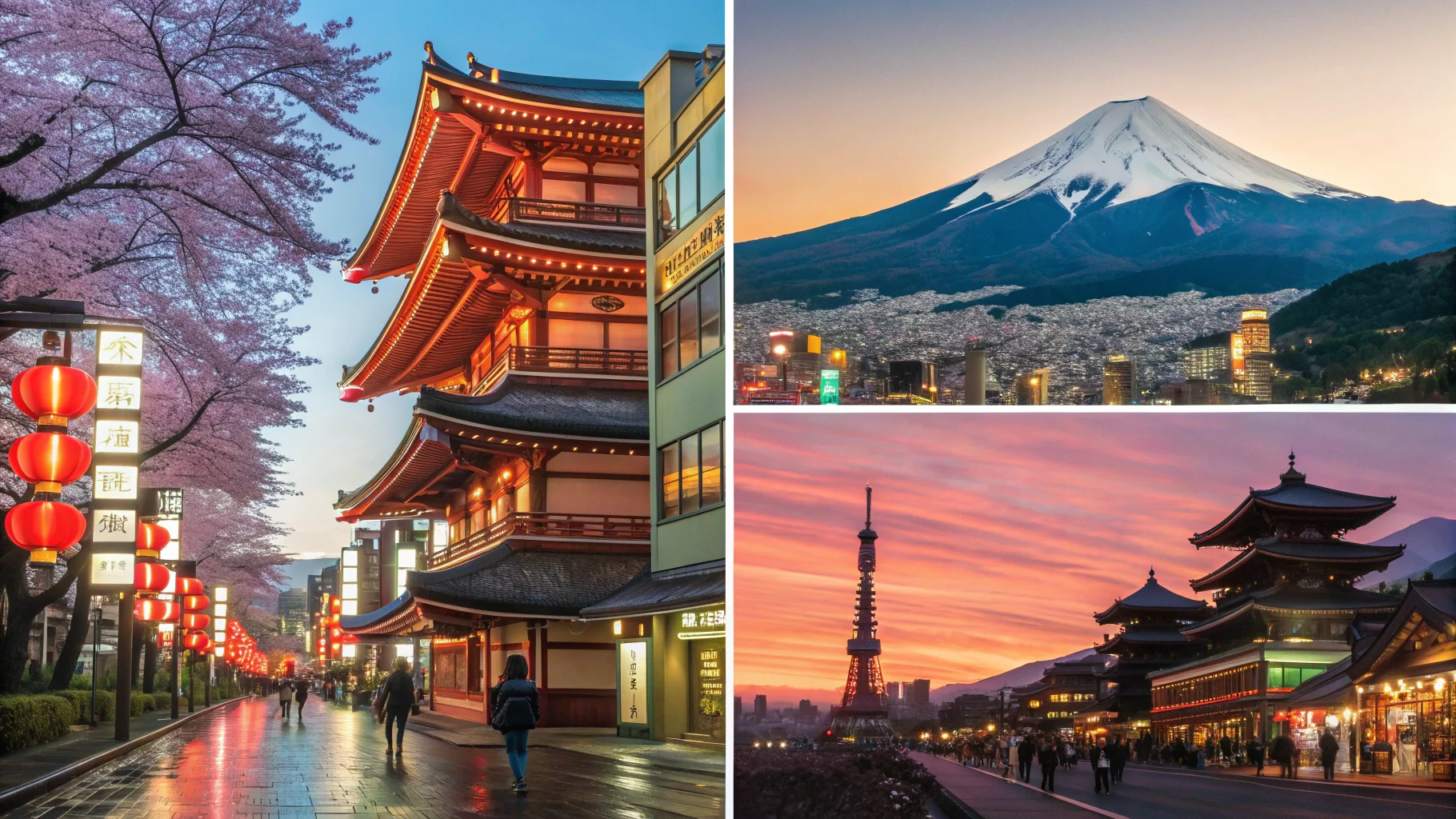
Stepping off the plane in Tokyo felt like entering another universe. Neon lights swirled into a kaleidoscope of color, the air rich with the scent of yakitori and possibility. My heart raced as the city pulsed around me. That first trip to East Asia wasn’t just a getaway — it was an awakening to a world I had only imagined.
East Asia isn’t just a destination. It’s a sensory explosion that stays with you long after you’ve returned home. From the ancient temples of Kyoto to the futuristic skyline of Shanghai, this region offers contrasts that will leave you breathless. Whether you’re a solo traveler seeking self-discovery, a family looking for cultural enrichment, or an adventure seeker craving new experiences, East Asia has something magical waiting for you.
Why East Asia Should Be Your Next Adventure
Let me be honest with you. Before my first trip, I had doubts. Would the language barrier be too much? Could I navigate unfamiliar customs? Would my budget stretch far enough? Those worries melted away within my first 24 hours. East Asia is remarkably welcoming to travelers.
The region encompasses countries like Japan, South Korea, China, Taiwan, Hong Kong, and Mongolia. Each destination offers its own unique flavor of Asian culture. You’ll find ultra-modern cities sitting alongside thousand-year-old temples. Street food vendors serve meals that rival Michelin-starred restaurants. Natural landscapes range from volcanic islands to vast deserts.
What makes East Asia truly special is the balance. You can spend your morning hiking through bamboo forests. Your afternoon might be shopping in cutting-edge fashion districts. Evenings could find you soaking in traditional hot springs. This diversity means every type of traveler finds their perfect experience.
Planning Your East Asia Journey: Where to Start
Choosing Your Destinations
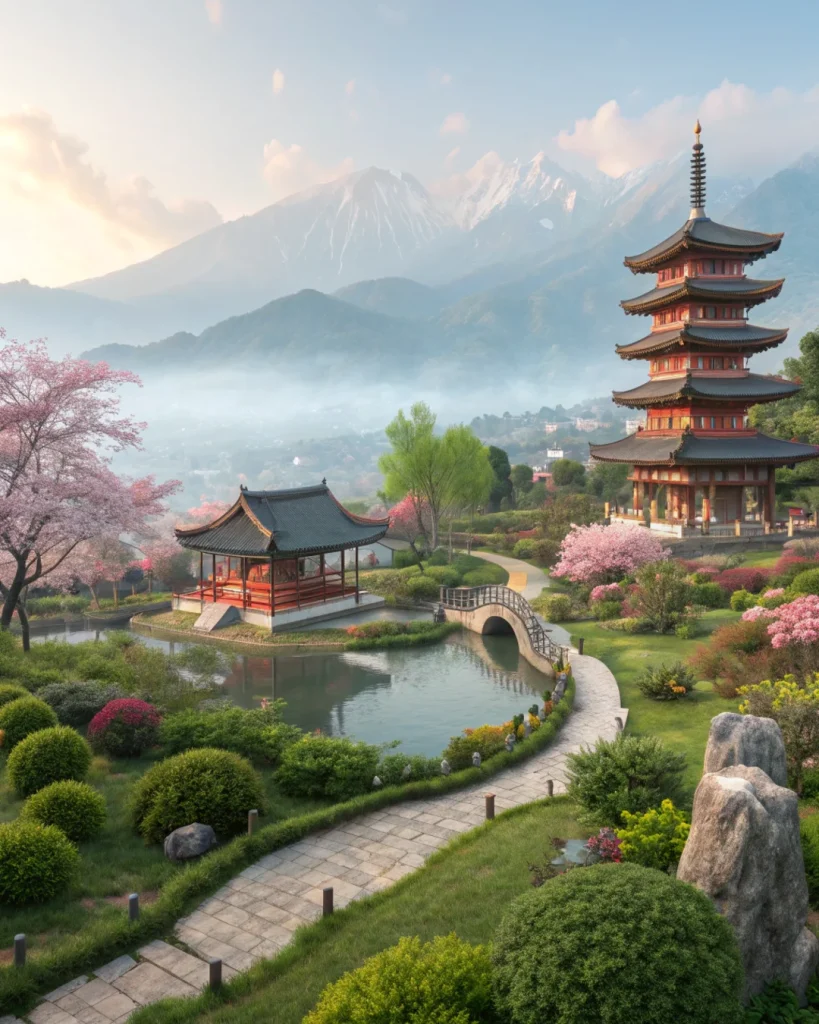
Your first decision is where to begin. Each country in East Asia offers distinct experiences. Japan combines ancient traditions with technological innovation. South Korea pulses with K-pop energy and incredible cuisine. China presents millennia of history across vast territories. Taiwan delivers warm hospitality and night market adventures.
For first-time visitors to Asia, I recommend starting with Japan or South Korea. Both countries have excellent infrastructure for tourists. English signage is common in major cities. Public transportation is reliable and efficient. You’ll build confidence before tackling more challenging destinations.
If you’re seeking budget-friendly options, consider exploring beyond the typical tourist trail. While East Asia can be pricey, you’ll find incredible value in certain areas. Countries in Southeast Asia often offer even more affordable adventures. Check out the 5 cheapest countries in Southeast Asia for a long vacation if you’re watching your wallet.
When to Visit East Asia
Timing matters enormously in this region. Each season brings different experiences and price points. Spring (March to May) is magical for cherry blossoms in Japan and Korea. Autumn (September to November) offers comfortable temperatures and stunning fall foliage. Summer brings festivals but also humidity and crowds. Winter can be harsh but perfect for skiing and hot springs.
I learned this lesson the hard way. My first trip to Japan was in August. The heat and humidity were almost unbearable. Crowds packed every popular attraction. When I returned in October, the weather was perfect. Temples were peaceful. The experience felt completely different.
Budgeting for Your Trip
Let’s talk money. East Asia spans a wide price range. Japan and South Korea tend to be more expensive. You’ll need roughly $100-150 per day for moderate comfort. China and Taiwan are more budget-friendly at $50-80 daily. Mongolia offers incredible value at $30-50 per day.
Accommodation prices vary dramatically. Hostels start around $15-25 per night. Mid-range hotels run $60-100. Luxury properties can exceed $200 nightly. I personally love booking traditional accommodations. Japanese ryokans, Korean hanoks, and Chinese courtyard hotels provide authentic cultural experiences.
Food costs surprise most travelers. Street food and local restaurants are incredibly affordable. You can eat well for $5-10 per meal. Save your budget for occasional splurge meals. The ramen shop around the corner often beats expensive tourist restaurants anyway.
Transportation within cities is cheap and efficient. Subway systems are modern and easy to navigate. Between cities, consider rail passes for significant savings. Japan’s JR Pass pays for itself within a few long-distance trips.
Essential Tips for Traveling in East Asia
Navigating the Language Barrier
Don’t let language concerns stop you. I speak minimal Japanese and Korean. I’ve managed extended trips with just a few basic phrases. Translation apps have improved dramatically. Google Translate’s camera function reads signs instantly. Download offline translation packs before you travel.
Learning basic courtesies goes far. “Hello,” “thank you,” and “excuse me” earn smiles everywhere. Locals appreciate the effort even if your pronunciation is terrible. Carry a translation guide or reference sheet for important situations.
Here’s a pro tip: having quick-reference language guides saves time and reduces stress. My comprehensive guide collection includes essential phrases for multiple Asian countries. The printable format means you’re never fumbling with your phone during important moments.
Understanding Cultural Customs
East Asian cultures value respect and politeness. Remove shoes when entering homes and some restaurants. Bow slightly when greeting people in Japan and Korea. Avoid loud conversations on public transportation. These small gestures show cultural awareness.
Gift-giving follows specific etiquette. Present items with both hands. Refuse gifts once or twice before accepting. Never open gifts immediately in front of the giver. I made this mistake once and created an awkward moment.
Dining customs vary by country. Slurping noodles is perfectly acceptable in Japan. Never stick chopsticks upright in rice bowls. Don’t leave tips in Japan. Do leave tips in Hong Kong. Research specific customs for your destinations.
Staying Connected
Internet access is crucial for modern travelers. Pocket WiFi devices are available at airports. SIM cards with data plans offer better value for longer trips. Many hotels and cafes provide free WiFi. Download maps and important information offline before exploring.
I always purchase a local SIM card upon arrival. The freedom to access maps, translations, and recommendations anywhere is invaluable. It eliminates stress when you’re lost or need quick information.
Must-Visit Destinations in East Asia
Japan: Where Tradition Meets Innovation
Japan stole my heart completely. Tokyo dazzles with energy and endless exploration. Kyoto soothes with temples and gardens. Osaka satisfies food lovers beyond imagination. Each region offers unique treasures.
Don’t miss the hidden gems beyond typical tourist spots. The Japanese Alps provide stunning hiking and traditional villages. Kanazawa preserves samurai and geisha districts. Takayama feels like stepping back in time. These places offer authentic Japan without overwhelming crowds.
Food in Japan deserves special attention. Ramen shops, sushi counters, and izakayas create unforgettable meals. Convenience store food is surprisingly good. Don’t skip regional specialties like Hiroshima-style okonomiyaki or Hokkaido seafood.
South Korea: K-Culture and Beyond
South Korea pulses with contemporary energy. Seoul combines shopping, nightlife, and historic palaces. Busan offers beaches and fresh seafood. Jeju Island provides volcanic landscapes and resort relaxation.
Korean food is addictive. Korean BBQ, bibimbap, and countless kimchi varieties will change your palate. Street food like tteokbokki and hotteok make perfect snacks. Cafes serve Instagram-worthy desserts.
The rise of Korean pop culture makes visiting even more exciting. K-drama filming locations attract fans worldwide. K-pop entertainment districts buzz with energy. Traditional experiences like hanbok wearing and temple stays balance modern attractions.
China: Ancient Wonders and Modern Marvels
China’s scale overwhelms first-time visitors. Beijing houses the Forbidden City and Great Wall. Shanghai showcases futuristic architecture and colonial history. Xi’an protects the Terracotta Warriors. Guilin displays breathtaking karst landscapes.
China requires more planning than other East Asian destinations. Visa applications take time. Great Firewall restrictions limit internet access. Language barriers are more challenging. The rewards justify the extra effort.
Chinese cuisine varies dramatically by region. Sichuan offers spicy fire. Cantonese food emphasizes freshness. Northern noodles and dumplings satisfy completely. Street food and local restaurants provide the best experiences.
Taiwan: The Heart of Asia
Taiwan often gets overlooked. That’s a mistake. This island nation delivers incredible food, friendly locals, and diverse landscapes. Taipei’s night markets are legendary. Taroko Gorge showcases dramatic natural beauty. Sun Moon Lake provides peaceful retreat.
Taiwan feels more relaxed than other East Asian destinations. Locals speak more English. Transportation is easy. Food is affordable and delicious. It’s perfect for travelers who want Asia without intense challenges.
Adventure Activities Across East Asia
East Asia isn’t just about temples and cities. Adventure seekers find endless opportunities. Ski resorts in Japan and Korea rival anywhere globally. Hiking trails range from easy walks to multi-day treks. Water sports thrive along coastal areas.
I’ll never forget hiking Mount Fuji. The climb was grueling. The sunrise from the summit made every difficult step worthwhile. Standing above the clouds as dawn broke felt spiritual.
Mongolia offers completely different adventures. Horseback riding across endless steppes. Staying in traditional gers with nomadic families. Experiencing the Nadelha Festival’s excitement. It’s raw and real in ways modern countries can’t match.
Practical Transportation Tips
Getting Around Cities
East Asian cities feature world-class public transportation. Subway systems are clean, efficient, and affordable. Purchase rechargeable transit cards for convenience. They work on trains, buses, and even some vending machines.
Taxis are reliable but more expensive. Ride-sharing apps like Grab and Didi operate in various cities. Walking remains my favorite way to explore. You discover hidden restaurants and unexpected attractions.
Traveling Between Destinations
High-speed trains connect major cities efficiently. Japan’s Shinkansen is famous for good reason. China’s train network spans the country. Korea’s KTX makes day trips easy. Book tickets in advance during peak seasons.
Budget airlines offer cheap flights between countries. AirAsia, Jeju Air, and Spring Airlines provide regional connections. Be mindful of baggage restrictions and airport locations.
For longer stays, rail passes save significant money. Japan Rail Pass, Korea Rail Pass, and China’s train passes reduce transportation costs dramatically.
Accommodation Strategies
Hotel options range from budget hostels to luxury resorts. Booking platforms like Booking.com and Agoda offer competitive rates. Read reviews carefully. Location matters more than luxury in most cases.
Traditional accommodations create memorable experiences. Japanese ryokans include kaiseki meals and onsen access. Korean temple stays offer meditation and cultural immersion. Chinese courtyard hotels preserve historic architecture.
Airbnb and similar platforms work well in major cities. You’ll find apartments cheaper than hotels. Local neighborhoods provide authentic experiences. Just verify locations carefully before booking.
Food Adventures and Culinary Discoveries
Food is the heart of East Asian travel. Every country takes cuisine seriously. You’ll eat better here than almost anywhere else.
Street food offers the best value and flavor. Follow the crowds to popular stalls. Don’t fear the language barrier. Point at what looks good. Smile. You’ll rarely be disappointed.
I’ve eaten life-changing meals from tiny restaurants nobody would notice. That ramen shop under the railway tracks in Tokyo. The dumpling stand in Shanghai’s French Concession. The BBQ spot locals packed in Seoul. These places created the best food memories.
Market visits should be mandatory. Morning fish markets in Japan showcase incredible seafood. Korean traditional markets overflow with kimchi and banchan. Chinese wet markets reveal ingredients you’ve never seen. Even if you don’t cook, markets provide cultural insight.
Safety and Health Considerations
East Asia is remarkably safe for travelers. Crime rates are low. Violent crime against tourists is rare. Basic precautions suffice. Watch belongings in crowded areas. Avoid dark, empty streets late at night.
Health care quality is excellent in major cities. Travel insurance remains essential. Medical costs without insurance can be substantial. Japan and Korea have particularly high healthcare prices.
Food safety standards are generally high. Tap water is drinkable in Japan, South Korea, and Hong Kong. Other destinations require bottled water. Trust your instincts with street food. Busy vendors with high turnover are usually safe.
Shopping and Souvenirs
Shopping opportunities abound throughout East Asia. Tokyo’s fashion districts rival Paris and Milan. Seoul’s beauty products attract shoppers worldwide. Hong Kong offers luxury goods and electronics. Chinese silk markets sell traditional crafts.
My advice: skip tourist trap shops. Head where locals shop instead. Department store basement food halls in Japan sell incredible souvenirs. Traditional craft markets offer handmade treasures. Local brands provide unique finds unavailable elsewhere.
Duty-free shopping at airports offers last-minute options. Prices are competitive on cosmetics and spirits. Don’t wait until the airport for everything though. You’ll miss better deals and selections in cities.
Connecting With Local Culture
The best travel experiences come from genuine cultural connections. Attend local festivals when possible. Participate in tea ceremonies or cooking classes. Visit neighborhood shrines and temples during local celebrations.
I learned this gradually. My early trips focused on famous attractions. Later visits emphasized local experiences. Staying in residential neighborhoods. Shopping at community markets. Eating where office workers eat lunch. These moments created deeper understanding.
Home-stay programs and cultural exchange meetups connect travelers with locals. Many cities have language exchange groups welcoming foreigners. Temple stays and farm stays offer immersive experiences.
Making Your Trip Smooth and Stress-Free
Planning makes all the difference. Create flexible itineraries allowing spontaneity. Don’t overpack your schedule. Leave time for unexpected discoveries. The random izakaya you stumble into might be your trip highlight.
Having detailed, printable planning resources eliminates stress. When you can reference organized itineraries and local tips instantly, you spend less time researching and more time experiencing. The confidence that brings transforms your entire journey.
Pack light and smart. Laundry services are cheap and convenient. You’ll buy items along the way. Heavy luggage makes travel miserable. One carry-on suffices for most trips.
Technology helps tremendously. Download offline maps. Save important addresses in your native language and local script. Keep digital copies of important documents. Portable chargers are essential.
Resources for Planning Your East Asia Adventure
Reliable information makes planning easier. Lonely Planet’s Asia guides provide comprehensive destination coverage. Japan Guide offers detailed Japan-specific information. The Korea Tourism Organization helps plan Korean adventures. China Highlights simplifies China travel planning.
Travel blogs and YouTube channels share real experiences. Reddit communities like r/JapanTravel and r/solotravel offer advice and support. Don’t hesitate to ask questions. The travel community is remarkably helpful.
Your East Asia Adventure Awaits
East Asia will challenge and reward you. You’ll navigate unfamiliar situations. You’ll taste foods you can’t pronounce. You’ll make mistakes and laugh about them. Those experiences create growth and unforgettable memories.
My first East Asia trip was nearly 15 years ago. I’ve returned dozens of times since. Each visit reveals something new. A hidden temple. An incredible meal. A meaningful conversation. The region never stops giving.
Whether you’re drawn to neon-lit cities or ancient temples, cutting-edge fashion or traditional crafts, mountain adventures or island relaxation, East Asia delivers. The only question is when you’ll start.
As the famous travel writer Pico Iyer once said: “We travel, initially, to lose ourselves; and we travel, next, to find ourselves.” East Asia offers both possibilities in abundance.
Pack your bags and discover the magic waiting for you. Your Asia journey starts now.
Ready to start planning? Your adventure through East Asia begins with solid preparation. With the right resources and an open mind, you’ll create memories that last a lifetime. The temples, the food, the people, the landscapes—they’re all waiting for you.