

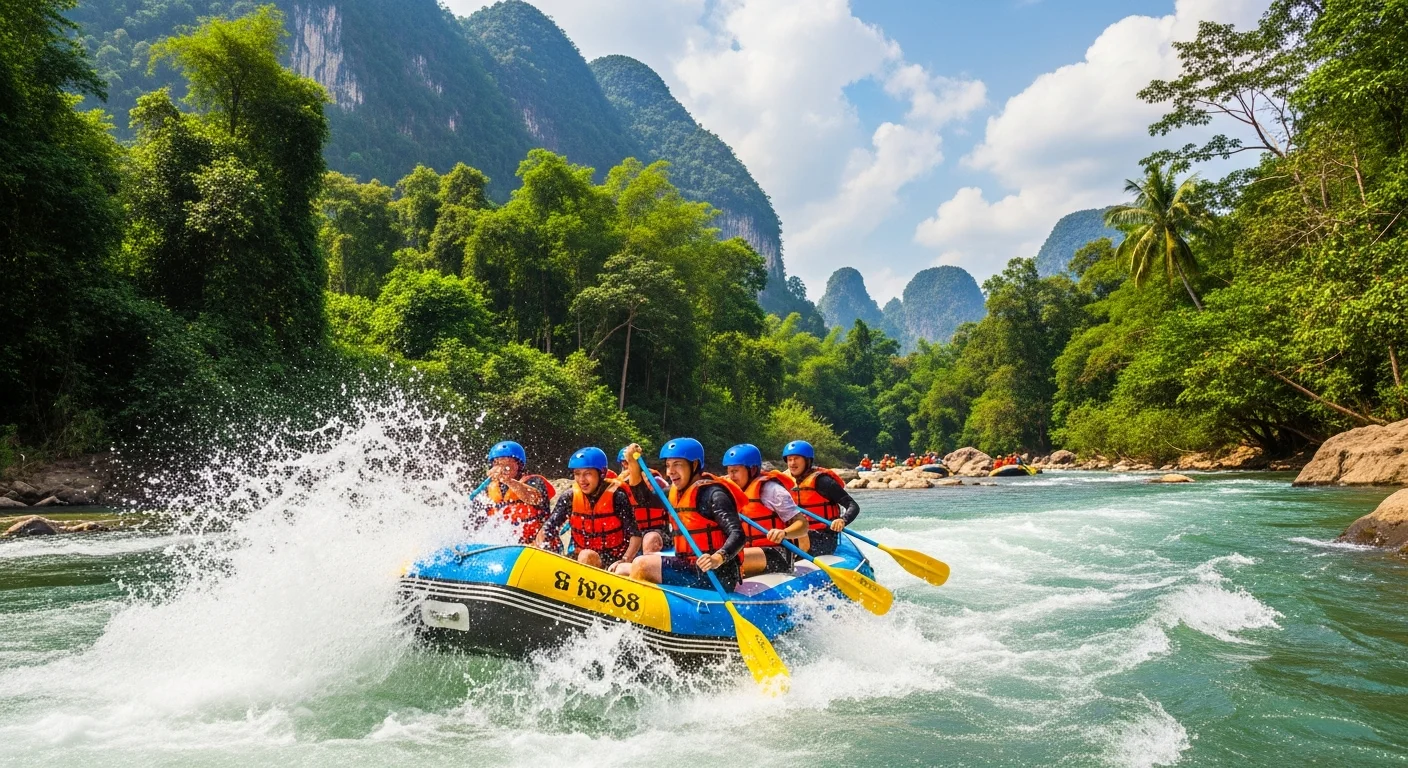
I’ll never forget the moment our raft hit the first major rapid on the Mae Taeng River. My knuckles turned white gripping the rope. Water exploded over the bow. Our guide shouted commands I could barely hear over the roaring water. And then—just like that—we were through, soaking wet and laughing like maniacs.
That’s rafting in Thailand for you. It’s pure, unfiltered adventure that’ll make your heart race and your Instagram followers jealous.
Thailand isn’t just about golden temples and beach parties. Hidden in the northern mountains are some of Asia’s most thrilling whitewater rivers. Whether you’re an adrenaline junkie or a curious first-timer, Thailand’s rafting scene offers something special.
Let me share everything I’ve learned from navigating these incredible waterways.
Why Thailand Should Be on Every Rafter’s Bucket List
Most people think of Bali or Nepal for adventure sports in Asia. But Thailand? It’s the hidden gem that delivers world-class rafting without the crowds.
The rivers here offer diverse experiences. You’ll find gentle Class II rapids perfect for families. You’ll also discover heart-pounding Class IV+ sections that challenge even experienced rafters.
What sets Thailand apart is the setting. You’re not just rafting—you’re gliding through lush jungle landscapes. Limestone cliffs tower overhead. Elephants sometimes bathe along the riverbanks. Buddhist temples peek through the trees.
Plus, Thai guides know how to make it fun. They bring energy, expertise, and often a waterproof speaker for mid-river dance parties.
The Best Rivers for Rafting in Thailand
Mae Taeng River: The Crown Jewel
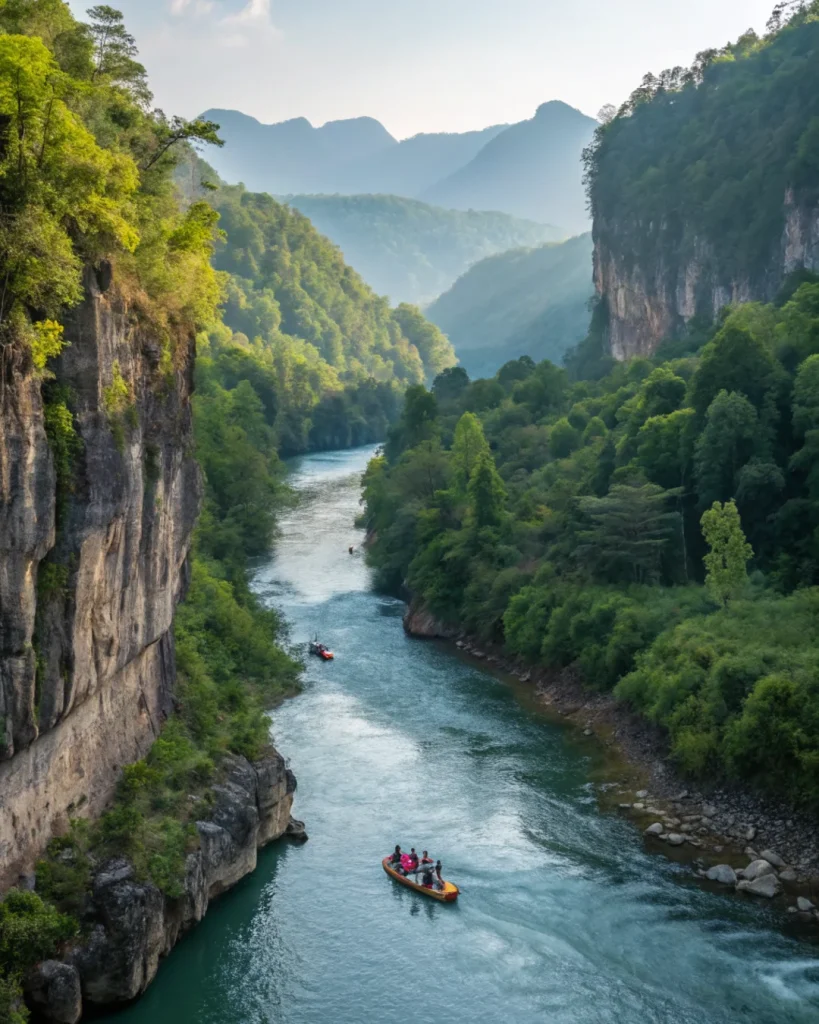
Located about an hour from Chiang Mai, the Mae Taeng is Thailand’s most popular rafting destination. I’ve run this river three times now, and it never disappoints.
The rapids range from Class II to IV, depending on the season. The full-day trips cover about 10 kilometers of whitewater action. Between the rapids, you’ll drift through peaceful stretches where you can actually catch your breath.
The scenery is jaw-dropping. Thick jungle canopy provides welcome shade from the tropical sun. Local villages dot the shoreline, offering glimpses into traditional Thai life.
Best time to visit: June through November during the rainy season. The water levels are higher, making the rapids more exciting.
Mae Tang River: For the Serious Adventurer
Don’t confuse this with Mae Taeng—they’re different rivers. The Mae Tang offers more technical rapids and fewer tourists.
I tackled this beast during peak season. The Class IV rapids demanded complete focus and teamwork. Our guide was phenomenal, navigating us through boulder gardens and standing waves.
This river suits experienced rafters or those ready to push their limits. The landscape feels more remote and wild here.
Pai River: Gentle Adventure
If you’re traveling with kids or prefer a mellower experience, check out the Pai River. It flows through the hippie mountain town of Pai.
The rapids rarely exceed Class II. But the journey through the Pai Valley is magical. Rice paddies stretch to the horizon. Water buffalo graze peacefully. The vibe is totally relaxed.
I brought my teenage nephew here for his first rafting experience. He loved it, and I appreciated not constantly worrying about him falling out.
Khek River: The Southern Alternative
Located in Phang Nga Province near Phuket, the Khek offers rafting in southern Thailand. The rapids are moderate—mostly Class II-III.
What makes this special is combining it with other activities. Many tours include ATV rides, ziplines, or visits to nearby waterfalls. It’s perfect for adventure seekers exploring southern Thailand who want variety.
What to Expect on Your Rafting Adventure
The Typical Day Structure
Most rafting trips in Thailand follow a similar pattern. Tours usually start with hotel pickup around 8 AM. You’ll drive to the river basecamp, usually taking 1-2 hours.
At the basecamp, you’ll get fitted for gear. This includes life jackets, helmets, and paddles. Don’t worry—the equipment meets international safety standards.
Your guide will give a safety briefing. Pay attention! They’ll teach you paddling commands and what to do if you fall in. Trust me, you want to remember this part.
Then comes the fun. Most trips last 2-4 hours on the water. You’ll navigate multiple rapid sections with calm stretches between them. Guides often stop at swimming holes where you can cool off.
After rafting, there’s usually a riverside lunch. Thai food tastes even better when you’re soaking wet and exhausted. Many tours include a shower facility before the return journey.
You’ll be back at your hotel by late afternoon. Tired, happy, and already planning your next trip.
Safety Considerations
Rafting is an adventure sport. There are inherent risks. But Thai operators take safety seriously.
Always choose licensed operators. They’re required to have trained guides, proper insurance, and quality equipment. I always research operators on TripAdvisor before booking.
Listen to your guide’s instructions. Seriously—they know these rivers intimately. When they say “paddle hard,” you paddle like your life depends on it.
Know your swimming ability. You don’t need to be an Olympic swimmer, but basic competence helps. Most operators require participants to be at least 8-10 years old.
The water is refreshing but can be surprisingly cold in the mountains. Don’t worry too much—the adrenaline keeps you warm.
Planning Your Rafting Trip: Practical Tips
Best Season for Rafting
Thailand’s rafting season coincides with the monsoon. This runs from June through November.
I know what you’re thinking: “Rain? Really?” But this is when the rivers come alive. Higher water levels create bigger, more exciting rapids.
The peak season hits September and October. Water levels are optimal, and the rapids reach their maximum difficulty.
You can raft during the dry season (December-May), but the experience differs. Water levels drop significantly. Some sections become too shallow. The rapids lose their punch.
If you’re a beginner, dry season might actually work better. The gentler conditions are more forgiving.
Where to Base Yourself
Chiang Mai is the rafting capital of Thailand. The city offers dozens of tour operators. It’s easy to find accommodations, restaurants, and other activities.
I love staying in the Old City area. You’re surrounded by temples, night markets, and great food. Yet you’re only an hour from world-class rafting.
Pai works if you want a more laid-back vibe. This mountain town attracts backpackers and digital nomads. The rafting is gentler, but the town’s atmosphere is unbeatable.
Phuket or Khao Lak make sense for southern rafting adventures. You can combine beach time with river action.
How to Choose a Rafting Operator
Not all rafting companies are created equal. Here’s what I look for:
Experience and certification: Choose operators with years of experience and proper licensing. The Tourism Authority of Thailand certifies reputable companies.
Safety record: Check recent reviews carefully. Look for mentions of safety equipment, guide professionalism, and emergency procedures.
Group size: Smaller groups mean more personalized attention. I prefer tours with maximum 6-8 people per raft.
What’s included: Compare packages carefully. Some include lunch, insurance, and photos. Others charge extra for everything.
Guide quality: The best operators employ experienced guides who speak good English. Communication is crucial during rapids.
I’ve had great experiences with local operators who truly love their rivers. They share stories, point out wildlife, and make the whole day memorable.
Budgeting for Your Adventure
Rafting in Thailand is remarkably affordable compared to Western countries.
Half-day trips typically cost 800-1,500 baht ($25-45 USD). Full-day adventures run 1,500-2,500 baht ($45-75 USD). Multi-day expeditions with camping can reach 10,000+ baht.
These prices usually include transportation, equipment, guides, and lunch. Some operators charge extra for photos or videos of your trip.
My advice? Don’t choose solely based on price. The cheapest operator isn’t always the safest. Pay a bit more for quality equipment and experienced guides.
For more tips on managing your travel budget across Asia, check out Asia Travel Mastery: Your Ultimate Guide to Exploring 14 Iconic Destinations. It covers everything from transportation costs to accommodation hacks for smart travelers.
What to Bring and Wear
Essential Items
Pack light for rafting trips. You’ll be in and out of water constantly.
Swimwear is your base layer. I wear board shorts and a rashguard for sun protection. Women often wear bikinis with quick-dry shorts.
Waterproof sunscreen is absolutely essential. The Thai sun is brutal, and you’ll be exposed for hours. Reapply regularly.
Water shoes or secure sandals protect your feet. Flip-flops will disappear in the first rapid. I learned this the expensive way.
Waterproof bag for your phone and camera. Most operators provide these, but bringing your own ensures your stuff stays dry.
Change of clothes for after the trip. Leave these in the tour vehicle.
Small towel for the post-rafting shower.
What to Leave Behind
Don’t bring valuables. Seriously—watches, jewelry, and expensive sunglasses will end up at the river bottom.
Regular cameras won’t survive. If you want photos, either rent a waterproof camera or buy a cheap waterproof case. Many operators offer photo packages where guides capture the action.
Skip the cotton clothing. It stays wet forever and gets heavy. Synthetic fabrics dry quickly and keep you comfortable.
Beyond the Rapids: Combining Activities
One thing I love about Thailand is how easily you can combine adventures.
Many rafting operators offer multi-activity packages. You might spend the morning rafting, then zipline through the jungle canopy. Or visit an elephant sanctuary in the afternoon.
Near Chiang Mai, I did a combo tour that included rafting, ATV riding, and visiting a local hill tribe village. It was a long day but incredibly rewarding.
Some operators offer overnight camping trips. You raft during the day, camp beside the river, and continue the next morning. These trips let you experience the jungle after dark. The sounds are incredible—crickets chirping, river flowing, maybe a distant howl.
The Pai area is particularly good for combining activities. After rafting, you can explore hot springs, waterfalls, or the famous Pai Canyon.
Cultural Considerations for Asia Tourists
Thailand is predominantly Buddhist. Respect local customs even when you’re getting wild on the river.
Many rivers pass Buddhist temples. When stopped nearby, keep noise levels reasonable. Dress modestly if you enter temple grounds.
Thai people value politeness and smiles. Your guides work hard to keep you safe and entertained. Show appreciation with respect and decent tips. I usually tip guides 100-200 baht ($3-6 USD) for excellent service.
The famous Thai greeting—pressing palms together and bowing slightly—goes a long way. Learn a few Thai phrases. “Khob khun” (thank you) and “sawadee” (hello) show respect.
Be environmentally conscious. Don’t litter. Some rivers flow through protected areas. Follow leave-no-trace principles.
Understanding these nuances enriches your experience as an east Asia traveler. You’re not just passing through—you’re engaging respectfully with Thai culture.
Safety First: What If Something Goes Wrong?
Let’s talk about the “what ifs.” Most rafting trips go perfectly. But being prepared matters.
If you fall out of your raft, don’t panic. Your life jacket will keep you afloat. Point your feet downstream to avoid hitting rocks. Your guide will quickly pull you back in.
If the raft flips—yes, it happens—grab the rope along the side. Your guide is trained for this situation. They’ll right the raft quickly.
Serious injuries are rare with reputable operators. But accidents can happen. Good operators carry first aid kits and have emergency action plans.
I always make sure someone back home knows my itinerary. I share the tour operator’s name and contact information. Basic safety practice for any adventure activity.
Travel insurance that covers adventure sports is crucial. Standard policies often exclude whitewater activities. Read the fine print carefully.
My Favorite Rafting Memories in Thailand
Every rafting trip teaches me something. About teamwork. About trusting strangers who become friends. About letting go of control.
My most memorable experience happened on the Mae Taeng during monsoon season. We hit a massive rapid called “Roller Coaster.” The raft dropped what felt like three meters. I actually left my seat briefly.
We emerged on the other side drenched and screaming. Our guide was laughing so hard he could barely paddle. Everyone in the raft shared this incredible moment of joy.
That’s what rafting in Thailand delivers. Shared adventure that creates instant bonds. Whether you’re traveling solo or with family, these experiences connect you with fellow adventurers.
I’ve met people from all over the world on these rivers. Solo travelers looking for thrills. Families creating memories. Couples celebrating anniversaries. Adventure seekers pushing boundaries.
The river doesn’t care about your background. Everyone gets equally soaked and equally exhilarated.
Making the Most of Your Chiang Mai Visit
Since Chiang Mai is Thailand’s rafting hub, maximize your time there.
The Old City contains over 30 temples. Wat Phra Singh and Wat Chedi Luang are particularly stunning. Explore them in the early morning before the heat intensifies.
The night markets are legendary. Sunday Walking Street transforms the Old City into a massive market. Find handicrafts, street food, and live performances.
Take a Thai cooking class. After working up an appetite on the river, learn to recreate those amazing flavors. I still make the pad thai I learned in Chiang Mai.
Visit Doi Suthep temple at sunset. The golden pagoda glows magnificently. The views over Chiang Mai are breathtaking.
The surrounding mountains offer countless adventures. Hiking, mountain biking, ziplining—adventure seekers find endless options here.
Sustainable and Responsible Rafting
Tourism impacts these beautiful rivers. We can minimize our footprint.
Choose operators committed to environmental protection. Some actively clean rivers and support local conservation efforts.
Bring reusable water bottles. Many operators provide drinking water stations. Refuse single-use plastics when possible.
Respect wildlife. Don’t chase animals for photos. Observe quietly from a distance.
Support local communities. Many rafting operations employ local guides and source food from nearby villages. This keeps tourism dollars in the community.
Speak up if you see environmental violations. Responsible tourism protects these resources for future generations.
Final Rapids: Is Rafting in Thailand Right for You?
If you love adventure, absolutely yes. Thailand offers incredible value, stunning scenery, and well-organized operations.
First-timers find beginner-friendly options with patient guides. Experienced rafters discover challenging rapids that demand skill and courage.
The best part? You don’t need to choose between culture and adventure. Thailand delivers both seamlessly. Raft wild rivers in the morning. Explore ancient temples in the afternoon. Feast on incredible street food at night.
Solo travelers find easy companionship on group tours. Families create unforgettable memories together. Adventure seekers get their adrenaline fix without breaking the bank.
My only regret? Not discovering Thai rafting sooner.
So grab your sense of adventure and waterproof bag. Thailand’s rivers are calling. Whether you’re planning a multi-country tour or focusing solely on Thailand, make room for this experience.
As the Buddha said, “The mind is everything. What you think, you become.” Think adventure. Think possibility. Think yes.
The rapids are waiting. Will you answer the call?
Pack your bags and discover the magic of Asia—one rapid at a time.