

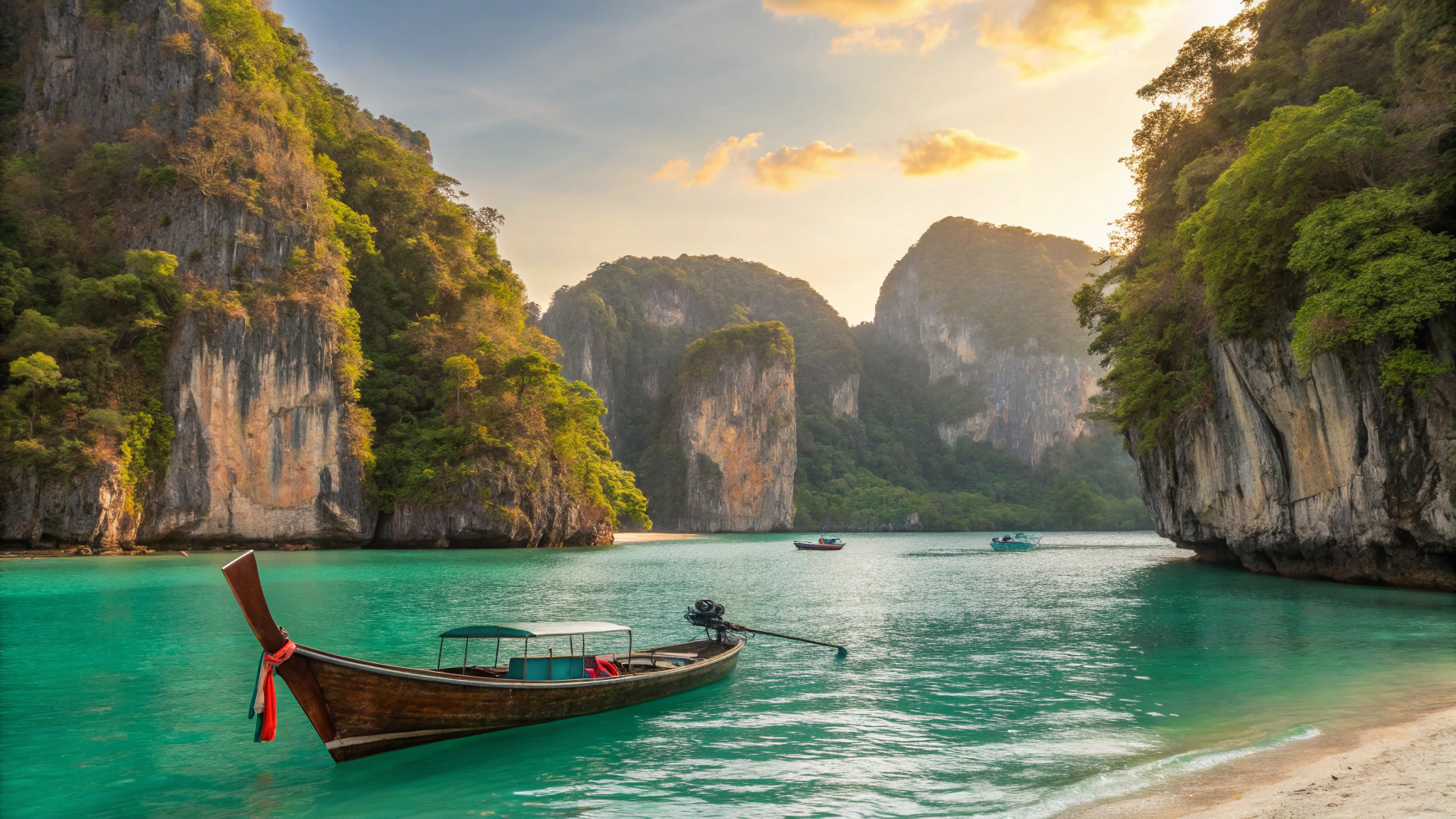
I was sitting in a riverside guesthouse in Kampot, Cambodia, paying $8 per night for a private room with a balcony overlooking the river, eating a delicious Khmer curry that cost $2, when it hit me: why was I the only Western tourist here? This beautiful, laid-back town had everything travelers claim to want—authentic culture, stunning nature, incredible food, friendly locals, and prices that made my wallet sing. Yet somehow, everyone was still cramming into the same overcrowded, overpriced hotspots in Thailand and Bali.
That moment sparked a years-long quest to find Asia’s hidden cheapest gems—the places where your dollar stretches impossibly far, where tourists are still a novelty rather than a nuisance, and where you can experience the “real Asia” that guidebooks romanticize but rarely deliver. After a decade of intentionally seeking out these overlooked destinations, I’ve discovered something beautiful: Asia’s best-kept secrets are also its most affordable.
If you’re tired of fighting crowds in Bali, draining your savings in Singapore, or feeling like just another tourist in Bangkok, this guide is for you. Let me take you to the places where $20 a day feels luxurious, where you’ll be invited to family dinners, and where you might just find the authentic Asia you’ve been searching for.
Why Hidden Destinations Are Often the Cheapest
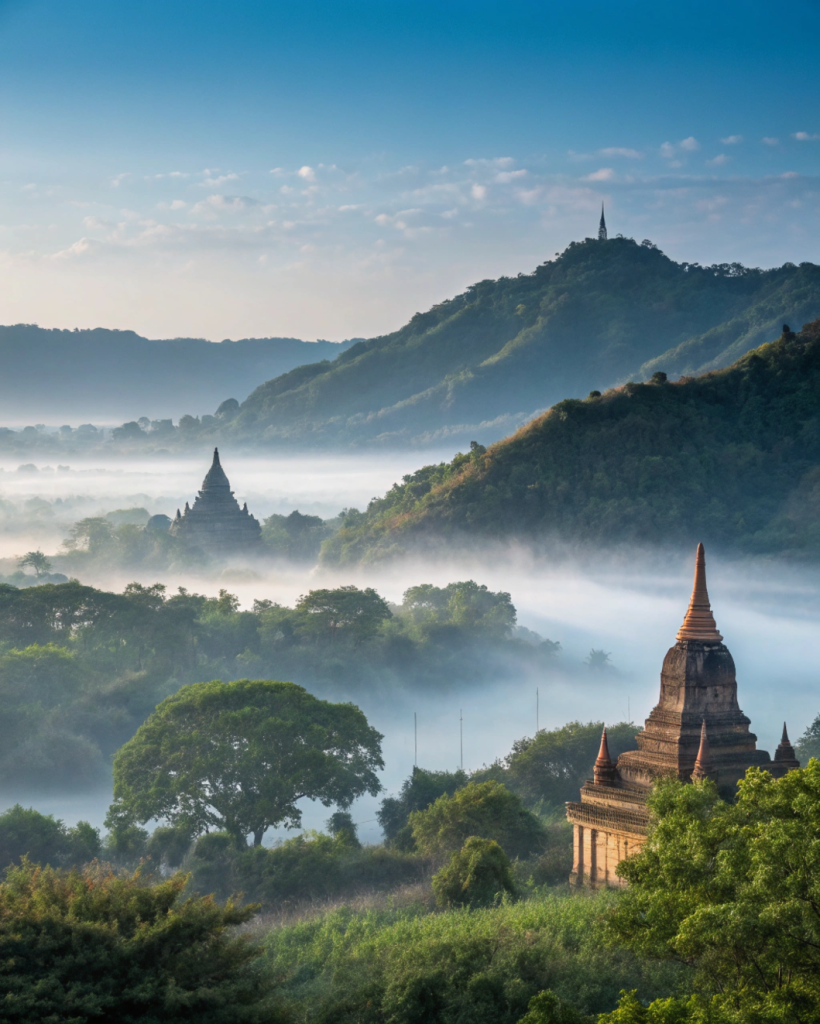
Before we dive into specific places, let’s talk about why these hidden gems cost so little. It’s not because they’re inferior—quite the opposite. These destinations are cheap because:
Tourism infrastructure is still developing: Without massive resorts and tour companies, prices remain locally-set rather than tourist-inflated. That $3 meal is what locals actually pay.
Less international hype: When a destination hits Instagram fame, prices triple almost overnight. I watched this happen to Bali’s Tegalalang Rice Terraces and Vietnam’s Bana Hills. Hidden spots haven’t experienced this artificial inflation yet.
Authentic local economies: In truly local areas, businesses cater primarily to residents, not tourists. You’re paying Vietnamese prices in Vietnam, not “tourist in Vietnam” prices.
Off the beaten path effort: Getting to these places sometimes requires extra planning, multiple connections, or uncomfortable travel. That barrier to entry keeps crowds away and prices low.
The trade-off? You might not have 24-hour ATMs, English menus at every restaurant, or tour companies organizing everything for you. But honestly? That’s exactly what makes these places special.
Southeast Asia’s Hidden Budget Paradises
Kampot, Cambodia: The $15-a-Day Paradise
I mentioned Kampot in my opening because it exemplifies everything I love about hidden cheap gems in Asia. This riverside town in southern Cambodia offers:
Accommodation: $5-12 per night for guesthouses, $15-25 for boutique hotels Food: $1-3 for local meals, $5-8 for Western food Activities: Mostly free (riverside walks, sunset watching) or cheap (pepper farm tours $5, boat trips $10)
What makes Kampot special isn’t just the prices—it’s the vibe. The town moves slowly, with a strong expat and digital nomad community that’s welcoming rather than cliquish. I spent three weeks here and my daily budget never exceeded $20, even with restaurant splurges and beer.
Don’t miss: Kampot pepper plantations (the pepper is world-famous), Bokor Mountain National Park, sunset kayaking on the river, and the incredible local crab at riverside restaurants.
Getting there: Bus from Phnom Penh (4 hours, $5-7) or Sihanoukville (2 hours, $3-5).
Hsipaw, Myanmar: Trekking Heaven for Pennies
Tucked in Myanmar’s Shan State, Hsipaw is what trekkers dream about: stunning mountain landscapes, hilltribe villages, authentic cultural experiences, and prices that make Nepal look expensive.
Accommodation: $5-10 per night for basic guesthouses Food: $1-2 for local Shan noodles, $3-5 for guesthouse meals Trekking: $15-25 per day for multi-day treks including guide, meals, and accommodation
I did a three-day trek from Hsipaw through Palaung and Shan villages, staying in village homestays, for $50 total. The experience was more authentic than anything I’d found in Thailand or Nepal, and the villages were genuinely excited to host visitors—we were still a novelty.
Important note: Myanmar’s political situation has been unstable since 2021. Always check current conditions before planning travel here. When it’s safe to visit, Hsipaw represents incredible value and cultural richness.
Don’t miss: The local morning market, Sunset Hill viewpoint, trekking to hilltribe villages, and the surprisingly good Indian restaurants.
Kep, Cambodia: Beach Town Without Beach Prices
Just an hour from Kampot, Kep is Cambodia’s seaside secret. While everyone crowds into Thailand’s islands, Kep offers:
Accommodation: $8-15 per night for bungalows Food: Famous for crab—a huge portion costs $5-7 at Kep Crab Market Activities: Free beaches, $5 national park entry, $15 island boat trips
Kep doesn’t have Thailand’s white sand beaches, but it has something better: authenticity and affordability. The crab shacks at the market serve the best seafood I’ve eaten in Asia, and watching sunset from Kep Beach costs nothing but feels priceless.
Don’t miss: Crab Market (obviously), Kep National Park hiking trails, Rabbit Island day trip, and sunset at Kep Beach.
Pai, Thailand: Still Affordable (If You Know How)
Yes, Pai has been “discovered,” but it’s still cheap if you avoid the Instagram hotspots. While everyone pays $30 for the canyon viewpoint tours, I rented a scooter for $5 a day and explored independently.
Accommodation: $10-20 per night for guesthouses away from the main strip Food: $2-3 for Thai meals at local spots, $5-8 at tourist restaurants Activities: Most are free (waterfalls, canyons, viewpoints) plus scooter rental
Budget tip: Stay outside the walking street area where prices drop 30-50%. Eat where you see locals eating. Skip organized tours and explore independently.
Don’t miss: Pai Canyon at sunrise (free), Mor Paeng Waterfall (free), hot springs ($2 entry), and the white Buddha viewpoint (free).
Savannakhet, Laos: Time Travel to 1950s Indochina
This sleepy French colonial town on the Mekong sees so few tourists that locals smile and wave when they see you. It’s wonderfully, refreshingly boring—and incredibly cheap.
Accommodation: $8-12 per night for decent hotels Food: $1.50-3 for Lao meals Activities: Free (colonial architecture walking tours, riverside sunset watching, people watching)
I spent four days here and my biggest expense was coffee at French-style cafes ($1.50 per cup). There’s not much to “do” in Savannakhet, which is exactly the point. It’s a place to slow down, write in your journal, have conversations with locals, and remember that travel doesn’t always need to be go-go-go.
Don’t miss: That Ing Hang Stupa (ancient Buddhist temple), the dinosaur museum (quirky and cheap), Mekong riverfront at sunset, and French colonial architecture around the old town.
South Asia’s Underrated Budget Havens
Pokhara, Nepal: More Than a Trekking Gateway
Everyone knows Pokhara as the jumping-off point for Annapurna treks, but the town itself is a hidden gem that’s ridiculously affordable.
Accommodation: $5-10 per night for lakeside guesthouses Food: $2-4 for dal bhat (Nepali staple that includes unlimited refills) Activities: Hiking to viewpoints (free), boating on Phewa Lake ($3-5), paragliding ($75—pricey but worth it)
I spent two weeks in Pokhara between treks and my daily budget averaged $12. The lakeside area has a chilled hippie vibe, mountain views are stunning, and the food scene balances cheap Nepali food with surprisingly good international options.
Don’t miss: Sunrise at Sarangkot viewpoint (hike up for free, take taxi down for $5), World Peace Pagoda hike (free), boating on Phewa Lake, and paragliding if your budget allows.
Hampi, India: Ancient Ruins Meet Budget Bliss
Hampi is UNESCO-listed, stunningly beautiful, and costs almost nothing. This ancient city of ruins scattered across a surreal boulder-strewn landscape should be mobbed with tourists—but it’s not.
Accommodation: $5-10 per night for riverside guesthouses Food: $1-3 for South Indian thalis Activities: Mostly free (exploring ruins, boulder climbing) or cheap ($2 temple entries)
I rented a bicycle for $1 per day and spent a week cycling between ruins, watching sunsets from hilltop temples, and eating endless dosas. My total weekly cost? About $70 including accommodation.
Don’t miss: Sunset at Matanga Hill (free but requires climbing), Virupaksha Temple (main temple, small entry fee), coracle boat rides across the river ($1), and cycling through the ruins at your own pace.
Gokarna, India: Beach Town Before the Crowds
While Goa’s beaches are packed and pricey, Gokarna offers similar beauty for a fraction of the cost. This small Hindu pilgrimage town has stunning beaches accessible only by hiking or boat.
Accommodation: $5-15 per night for beach huts or guesthouses Food: $2-4 for Indian meals, $5-8 for seafood Activities: Beaches are free, hiking between beaches is free, boat trips $5-10
The beach hut experience here—waking up steps from the ocean, eating fresh fish, watching sunsets—rivals Thailand’s famous islands but costs 70% less.
Don’t miss: The beach trek (hike from Gokarna Beach to Paradise Beach via Om Beach and Half Moon Beach—stunning and free), sunset at Om Beach, and temple visiting in Gokarna town.
East Asia’s Budget-Friendly Secrets
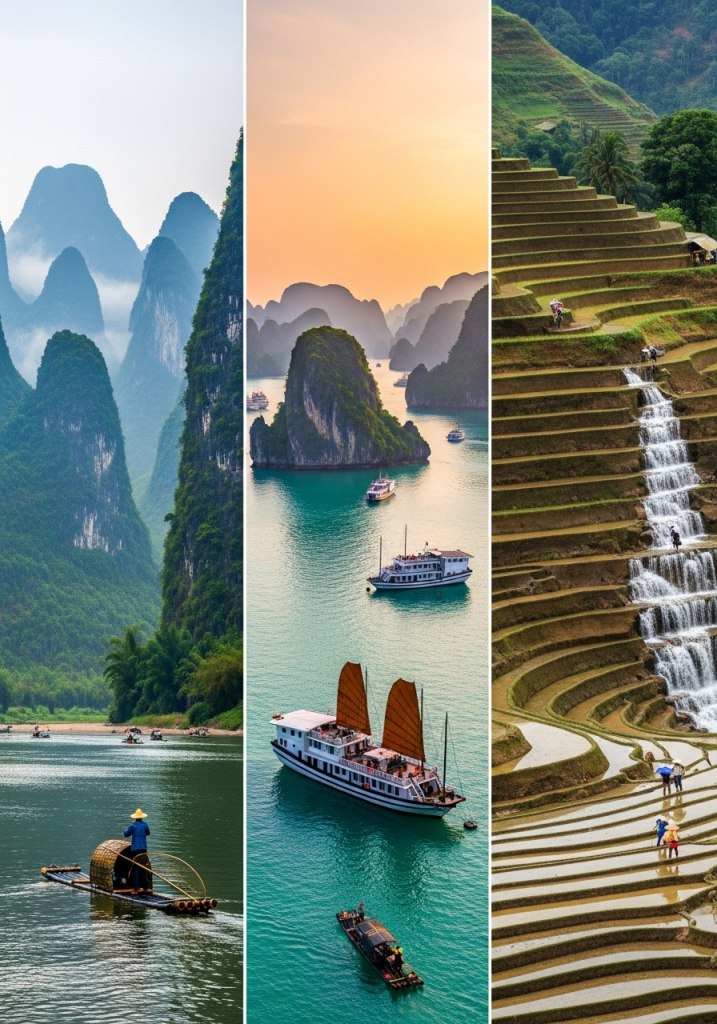
Guizhou Province, China: China’s Most Beautiful Unknown
While everyone visits Beijing, Shanghai, and Xi’an, Guizhou Province in southwest China offers dramatic karst landscapes, ethnic minority villages, and incredible value.
Accommodation: $10-20 per night for decent hotels Food: $2-5 for local meals Activities: Many villages and viewpoints are free, national parks $10-15 entry
The Miao and Dong minority villages here are stunning—traditional architecture, terraced fields, and cultures that remain genuinely traditional. Tourism exists but hasn’t overwhelmed local life yet.
Don’t miss: Xijiang Miao Village (largest Miao village), Zhaoxing Dong Village (traditional drum towers), Huangguoshu Waterfall (Asia’s largest waterfall), and hiking through rice terraces.
Language tip: English is rare here. Download translation apps and learn basic Mandarin phrases. The language barrier is part of what keeps this place cheap and authentic.
Jeju Island (Off-Season), South Korea: Budget Korea’s Beaches
South Korea has a reputation for being expensive, but Jeju Island off-season (November to March) is surprisingly affordable and beautifully empty.
Accommodation: $30-50 per night for guesthouses (off-season) Food: $5-8 for local meals Activities: Many natural attractions are free, museums $5-10
Yes, $50/night isn’t as cheap as Southeast Asia, but for East Asia it’s a bargain. And the island’s volcanic landscapes, waterfalls, beaches, and unique culture make it worthwhile.
Budget tip: Visit November-March when accommodation prices drop 50%. Rent a car with friends to split costs. Eat at local restaurants, not tourist areas.
Takayama, Japan: Affordable Japanese Alps Experience
Japan is expensive, but Takayama offers a taste of traditional Japanese culture at lower prices than Kyoto or Tokyo.
Accommodation: $25-40 per night for guesthouses (still cheap for Japan) Food: $8-12 for ramen and local specialties Activities: Walking the old town is free, temples $3-5, nearby villages $10 bus fare
Takayama’s old town features beautifully preserved Edo-period streets, morning markets, sake breweries, and access to stunning mountain scenery. It feels quintessentially Japanese but costs half what Kyoto does.
Don’t miss: Sanmachi Suji historic district (free to wander), morning markets, Hida Folk Village ($7 entry), and day trips to Shirakawa-go (traditional thatched-roof village).
Central Asia’s Emerging Budget Destinations
Bishkek and Lake Issyk-Kul, Kyrgyzstan: Untouched Mountain Beauty
Kyrgyzstan is one of Asia’s last true frontier destinations—stunning, welcoming, and absurdly cheap.
Accommodation: $8-15 per night for guesthouses Food: $3-6 for meals Activities: Hiking and nature are free, organized treks $30-50 per day including everything
The country is 90% mountains, with incredible trekking, horse riding, yurt stays, and nomadic culture. Lake Issyk-Kul is the world’s second-largest alpine lake and feels like discovering a secret.
Don’t miss: Song-Kol Lake (high-altitude lake with yurt stays $20-30 per night including meals), Ala Archa National Park near Bishkek (free hiking), and Karakol (base for mountain adventures).
Visa note: Many nationalities get visa-free entry or easy e-visas. Check requirements for your passport.
Island Paradises That Won’t Break the Bank
Koh Rong Sanloem, Cambodia: The Quiet Island
While Koh Rong next door has become a party island, Koh Rong Sanloem remains peaceful and affordable.
Accommodation: $10-25 per night for beach bungalows Food: $3-6 for meals Activities: Beach time is free, snorkeling trips $15-20, kayak rental $5
The beaches here rival Thailand’s famous islands—white sand, turquoise water, bioluminescent plankton at night—but cost half as much and have a tenth of the crowds.
Don’t miss: Bioluminescence swimming at night (free—just swim!), sunset at Sunset Beach, snorkeling around the island, and stargazing from the beach (zero light pollution).
Siargao (Off the Cloud 9 Area), Philippines: Surf Town Deals
Siargao became famous for Cloud 9 surf break, but venture away from General Luna town and prices drop dramatically.
Accommodation: $10-20 per night in outlying areas Food: $2-4 for Filipino meals at local carinderias Activities: Many beaches and lagoons have free or cheap entry ($1-3)
The island hopping tours here ($25 including lunch) visit stunning locations like Sugba Lagoon, Naked Island, and Daku Island—similar to El Nido tours but cheaper and less crowded.
Budget tip: Stay in Dapa, Del Carmen, or San Benito instead of General Luna. Rent a scooter ($5-7/day) to explore. Eat at local carinderias, not tourist restaurants.
Gili Gede, Indonesia: The Forgotten Gili
Everyone knows Gili Trawangan, Meno, and Air off Lombok. Almost nobody visits the Southwest Gilis, and Gili Gede is the most developed (but still quiet and cheap).
Accommodation: $15-30 per night for beach bungalows Food: $3-5 for meals Activities: Snorkeling from shore is free, boat trips $15-25
The Southwest Gilis offer similar beauty to their famous cousins—great snorkeling, beautiful beaches, island vibes—but remain genuinely peaceful and affordable.
Don’t miss: Island hopping between the Southwest Gilis, snorkeling from your accommodation, sunset watching, and the complete absence of crowds.
How to Find Your Own Hidden Cheap Gems
Want to discover places I haven’t listed? Here’s my strategy:
1. Look at the “second city”: Everyone visits Chiang Mai, but Chiang Rai is cheaper. Everyone goes to Siem Reap, but Battambang is better value. The pattern holds across Asia.
2. Follow the locals: Where do Asian tourists vacation? These spots often offer great value because they’re designed for local budgets, not Western tourists.
3. Research transportation hubs: Places just off major routes stay cheap. One bus transfer away from the main tourist trail often means 50% savings.
4. Check travel forums, not Instagram: Instagram shows what’s trendy (and therefore expensive). Forums like Reddit’s r/solotravel and Lonely Planet’s Thorn Tree Forum reveal hidden gems from experienced travelers.
5. Ask other travelers: The best recommendations come from people who’ve just been there. Chat with travelers, ask where they came from, and follow trails that sound interesting.
6. Be willing to rough it slightly: The cheapest gems often require somewhat uncomfortable travel to reach, basic accommodation, and limited amenities. If you can embrace this, doors open.
For even more inspiration on discovering amazing Asian destinations that won’t drain your wallet, check out this list of 10 amazing Asian places to travel that deserve a spot on your bucket list.
Making Your Money Stretch Even Further
Even in cheap destinations, smart strategies maximize your budget:
Accommodation Hacks
Stay longer: Negotiate weekly or monthly rates—usually 20-40% cheaper than daily rates.
Book directly: Skip Booking.com and Agoda when possible. Walk-in rates or WhatsApp booking often saves the commission fee.
Consider homestays: Family-run guesthouses cost less than hotels and include cultural exchange.
Use hostel private rooms: Privacy of a hotel room at dorm prices.
House-sitting: Free accommodation in exchange for watching someone’s home/pets. Platforms like TrustedHousesitters connect you with opportunities.
Food Savings
Eat where locals eat: If there are no tourists, prices are local.
Street food over restaurants: Often tastier and always cheaper.
Markets for snacks and breakfast: Buy fruit, bread, and snacks at markets for 1/3 restaurant prices.
Cook occasionally: Even basic cooking facilities let you prepare breakfasts and snacks cheaply.
Lunch specials: Many restaurants offer set lunch menus much cheaper than dinner.
Transportation Tricks
Night buses save accommodation: An overnight bus costs the same as a day bus but saves a night’s accommodation.
Local buses over tourist buses: Often half the price, more authentic, though less comfortable.
Rent scooters for multiple days: Daily rates drop significantly for week-long rentals.
Walk more: Best free activity and you discover things you’d miss otherwise.
Hitchhike where appropriate: Common and safe in places like Kyrgyzstan, less so elsewhere.
Activity Savings
Free walking tours: Tip-based tours in many cities offer great value.
Self-guided exploration: Rent a bicycle or scooter instead of booking tours.
Nature is free: Beaches, mountains, rivers, viewpoints cost nothing.
Visit free days: Some museums offer free entry one day per week.
Group up: Share tours, taxis, and rental cars with other travelers to split costs.
Budget Travel Safety in Hidden Destinations
Cheap destinations aren’t automatically dangerous, but less-touristed areas require extra awareness:
Research first: Check travel advisories, read recent blog posts, join Facebook groups for current on-the-ground information.
Travel insurance is essential: Even in cheap destinations. Medical evacuation from remote areas is expensive.
Cash is king: Many hidden gems lack ATMs or card acceptance. Carry enough cash, safely.
Trust your instincts: If something feels off, it probably is. Your intuition is valuable.
Connect with locals: In small communities, locals become your safety network. Guest house owners, restaurant staff, and friendly locals provide invaluable advice.
Share your itinerary: Someone should know where you are, especially in remote areas.
Backup plans: Have emergency contacts, embassy numbers, and contingency funds for unexpected situations.
The Real Cost of Budget Travel in Hidden Gems
Let me give you real numbers from my travels:
Kampot, Cambodia (3 weeks):
- Accommodation: $10/night x 21 nights = $210
- Food: $8/day x 21 days = $168
- Activities: $50 total
- Transport: $15 (bus from Phnom Penh and to Kep)
- Total: $443 ($21/day)
Hampi, India (1 week):
- Accommodation: $7/night x 7 nights = $49
- Food: $6/day x 7 days = $42
- Activities: $15 total
- Transport: $20 (bus from Goa and to Bangalore)
- Total: $126 ($18/day)
Pai, Thailand (2 weeks):
- Accommodation: $15/night x 14 nights = $210
- Food: $10/day x 14 days = $140
- Scooter rental: $5/day x 14 days = $70
- Activities: $30 total
- Transport: $20 (bus from Chiang Mai and return)
- Total: $470 ($33/day)
These budgets include everything—accommodation, all meals, activities, and transport. They prove that extended travel in Asia doesn’t require a fortune.
When to Visit Hidden Cheap Gems
Timing dramatically affects both crowds and costs:
Shoulder seasons are ideal: Prices are low, weather is decent, crowds are minimal. For Southeast Asia, that’s April-May and September-October.
Rainy season is cheapest: If you can handle occasional rain, monsoon season offers 40-50% savings. Many days are actually sunny.
Avoid local holidays: Chinese New Year, Songkran (Thai New Year), and other holidays inflate prices and book out accommodation.
Consider reverse seasons: Visit mountain regions in summer when everyone else hits beaches. Visit beaches in shoulder season when everyone else is in the mountains.
Sustainable Travel in Budget Destinations
Cheap travel shouldn’t mean exploitative travel:
Pay fair prices: Don’t over-bargain. That extra dollar matters more to them than to you.
Support local businesses: Stay in family guesthouses, eat at local restaurants, hire local guides.
Respect resources: Water and electricity are precious. Use them thoughtfully.
Leave no trace: Budget destinations often lack waste management. Pack out what you pack in.
Give back: Volunteer, donate to local causes, or simply spend money at community businesses.
Learn basics of local language: Effort matters more than fluency.
Respect culture and customs: Free destinations aren’t yours to change or criticize.
The Hidden Benefits of Hidden Gems
Beyond saving money, these overlooked destinations offer something priceless:
Genuine connections: Without tourist crowds, you actually meet locals and fellow travelers meaningfully.
Authentic experiences: You’re seeing places as they actually are, not performed for tourists.
Discovery joy: Finding a hidden gem yourself feels more rewarding than following guidebooks.
Supporting communities: Your tourism dollars make a bigger impact in less-developed areas.
Better stories: Everyone has Bali stories. Few have Hsipaw stories. Which is more interesting?
Personal growth: Navigating less-touristed places builds confidence and adaptability.
Your Budget Adventure Awaits
The beautiful irony of travel is this: the places that cost the least often give the most. While travelers drain savings fighting crowds in overtouristed hotspots, these hidden cheap gems in Asia offer something far more valuable—authentic experiences, genuine connections, and the space to actually breathe and absorb where you are.
I’ve spent far more time in places like Kampot and Hampi than I ever spent in Bangkok or Bali, not just because they’re cheaper (though that’s certainly nice), but because they’re better. Better for my soul, better for meaningful experiences, better for remembering why I fell in love with travel in the first place.
These destinations won’t stay hidden forever. Tourism finds everywhere eventually. But right now, today, they’re waiting for you—affordable, authentic, and amazing. The question isn’t whether you can afford to visit them. The question is whether you can afford not to.
So skip the Instagram hotspots for once. Book a ticket to somewhere you can’t pronounce. Trust that the best experiences often cost the least. And discover what I’ve learned over a decade of budget travel: Asia’s greatest treasures aren’t hidden because they’re hard to find—they’re hidden because most people never bother to look.
“The world is a book, and those who do not travel read only one page.” – Saint Augustine
Your chapter in Asia’s hidden gems is waiting to be written—and it won’t cost a fortune. Pack your bag, open your mind, and discover the affordable paradise you’ve been searching for. Adventure doesn’t require a big budget—it just requires courage and curiosity.
The hidden gems are ready. Are you?