

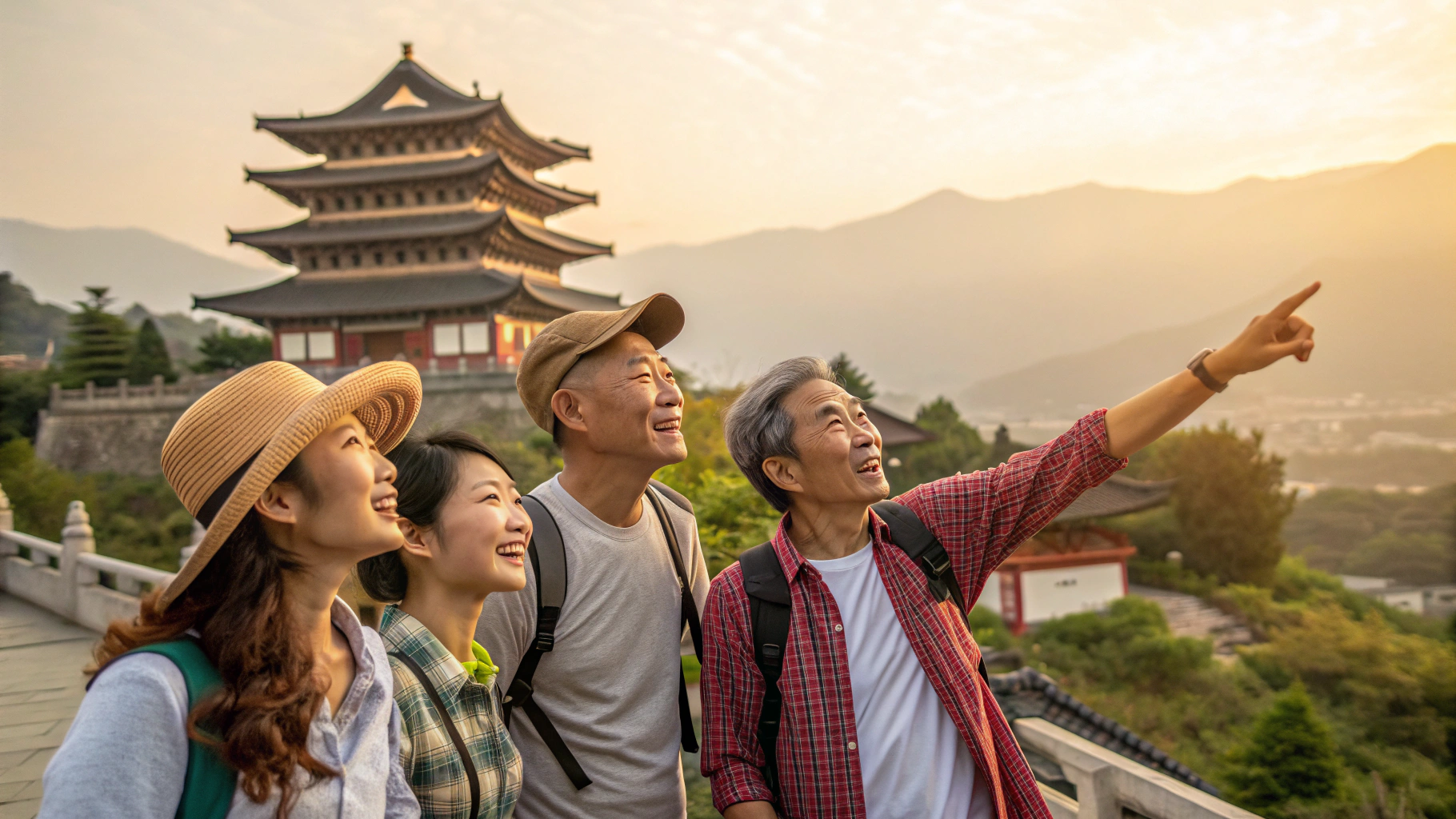
The email from my friend Sarah landed in my inbox on a rainy Tuesday morning. “I just booked one of those Asia tours,” she wrote. “Am I crazy? Did I just waste my money on something I could’ve planned myself?”
I laughed out loud, remembering my own anxious Google searches five years ago. I’d typed variations of “are Asia tours worth it” at least fifty times before finally committing.
Now, after experiencing everything from budget group tours to luxury private expeditions across Asia, I finally have answers. And honestly? The truth is way more nuanced than the internet makes it seem.
Let me share what I’ve learned from both amazing tours and ones I wish I could forget.
Understanding the Asia Tours Landscape

Here’s what nobody tells you upfront. The term “Asia tours” encompasses such wildly different experiences that comparing them feels pointless.
A $50-per-day backpacker tour through Southeast Asia shares almost nothing with a $500-per-day luxury expedition through Japan. They’re both technically “tours,” but that’s where similarities end.
I’ve done both extremes and everything in between. Each serves different purposes for different travelers.
Small group tours typically cap at 12-16 people. These create intimate experiences where you actually remember everyone’s names. I took one through Vietnam’s highlands, and our group still has an active WhatsApp chat three years later.
Large coach tours can include 40+ travelers. They’re efficient for covering ground quickly and usually cost less per day. But forget deep conversations or spontaneous detours.
Private tours offer ultimate flexibility. You set the pace, change plans mid-trip, and never wait for stragglers. My private tour through Sri Lanka let me spend an extra day at a wildlife sanctuary because I loved it so much.
Adventure tours focus on activities—trekking, diving, cycling, kayaking. If you’re chasing adrenaline, these deliver. I joined one in Nepal that had me hiking ten hours daily. Best shape of my life.
Cultural immersion tours prioritize authentic local experiences over famous landmarks. These often include homestays, cooking classes, and interactions with local communities. They’re slower-paced but incredibly enriching.
When Asia Tours Actually Make Sense
I used to think independent travel was always superior. Then I tried planning a route through Bhutan myself.
Bhutan requires tourists to book through licensed operators. Independent travel literally isn’t allowed. That mandatory tour ended up being one of my best travel experiences ever.
Some situations genuinely benefit from organized tours. Understanding when saves you from both missing out and wasting money.
Remote or restricted areas often require tour arrangements. Tibet, parts of Myanmar, and certain regions in India have permits or regulations making independent travel impractical.
Complex multi-country routes become exponentially easier with tour operators. That overland journey from Thailand through Laos and into Vietnam? A tour handles visas, border crossings, and transportation seamlessly.
First-time Asia travelers gain confidence through structured tours. Everything feels overwhelming initially—the food, traffic, language barriers, cultural differences. Tours provide training wheels while you find your footing.
Time-limited travelers maximize efficiency with tours. If you’ve got two weeks and want to see Cambodia’s highlights, a well-designed tour eliminates research time and logistical headaches.
Solo travelers seeking social connection find built-in companionship through group tours. I’ve met some of my closest travel friends on tours. Shared experiences create bonds quickly.
Specific interests like wildlife photography, culinary exploration, or spiritual practices benefit from specialized tour operators. They know where, when, and how to access the best experiences.
The Real Cost Breakdown of Asia Tours
Let’s talk about money because tour pricing confuses everyone initially. The numbers seem high until you understand what’s actually included.
I spent three weeks comparing independent travel costs against equivalent tour packages across Southeast Asia. The results surprised me.
Budget group tours typically run $40-80 per person daily. This usually covers accommodation, transportation, some meals, and guided activities. You’ll pay extra for many meals, drinks, tips, and optional activities.
Mid-range tours average $100-200 daily. Expect better hotels, more included meals, smaller groups, and more comprehensive itineraries. Hidden costs decrease significantly at this level.
Luxury tours start around $300 daily and climb from there. Everything’s typically included—premium accommodations, all meals, private guides, entrance fees, and often flights between destinations.
Here’s the math that changed my perspective. I priced an independent two-week Thailand trip. Accommodations, internal flights, trains, entrance fees, some tours, and meals totaled roughly $2,100.
A comparable group tour cost $2,400. For an extra $300, I’d get experienced guides, guaranteed accommodations during peak season, and 24/7 support. Plus saved research and booking time.
The value equation shifts based on destination too. Japan tours often provide excellent value because navigating independently is expensive and complex. Southeast Asia tours show smaller savings because independent travel there is already cheap and straightforward.
Hidden Costs Nobody Warns You About
Tour brochures highlight what’s included but often minimize what isn’t. These surprise costs have caught me multiple times.
Single supplements punish solo travelers with fees ranging from 25-100% extra. Tour pricing assumes double occupancy. Want your own room? Pay significantly more.
Optional activities sound optional until you’re actually on tour. When your entire group books that sunrise hot air balloon ride, sitting out feels awkward. Budget extra for these “optional” experiences.
Tipping expectations vary wildly by tour company and destination. Some include gratuities, others expect you to tip guides, drivers, and local hosts. This can add $5-15 daily to costs.
Visa fees rarely appear in tour prices. You’ll handle applications independently and pay fees ranging from $25 to over $100 depending on your nationality and destination.
Travel insurance isn’t usually included but is absolutely essential. Budget $50-150 for comprehensive coverage depending on trip length and your age.
Meals marked as “own expense” add up quickly. If your tour includes breakfast and some lunches, you’re still covering 7-10 meals weekly. In expensive destinations like Japan or Singapore, this means real money.
Finding Quality Asia Tours That Match Your Style
The sheer number of tour operators makes choosing overwhelming. I’ve developed a filtering system that saves time and improves results.
Start by identifying your travel style honestly. Are you budget-conscious or comfort-focused? Do you prefer packed itineraries or leisurely pacing? Adventure-seeking or relaxation-oriented? Your answers eliminate unsuitable options immediately.
Research tour operator reputations obsessively. Sites like TripAdvisor and Trustpilot provide authentic reviews. Look for patterns—one complaint about weather isn’t concerning; multiple complaints about unresponsive guides signal problems.
Check tour operator specializations. Companies focusing exclusively on Asia generally outperform generic global operators. Regional expertise matters enormously.
Read itineraries critically. Vague descriptions like “explore the city” often mean minimal actual planning. Detailed itineraries specifying activities, approximate timings, and included services indicate professional operations.
Examine group size policies carefully. Maximum group sizes matter less than typical group sizes. A tour advertising “maximum 16” might regularly run with just 6-8 travelers, creating intimate experiences.
Ask about guide qualifications directly. Are guides local to each region or does one guide cover the entire route? Local guides provide deeper cultural insights and better connections.
For those planning extended adventures across multiple iconic locations, guides like Asia Travel Mastery: Your Ultimate Guide to Exploring 14 Iconic Destinations complement tour experiences by offering detailed destination insights.
Group Dynamics: The Make-or-Break Factor
Here’s something tour brochures never mention. Your fellow travelers impact your experience more than almost any other factor.
I’ve been on tours where the group chemistry was magical. We laughed constantly, accommodated each other’s quirks, and stayed friends afterward. I’ve also endured tours where personality conflicts created daily tension.
You can’t control who joins your tour, but you can influence the odds of compatible groups. Tours focusing on specific interests attract like-minded travelers. That photography tour through Myanmar? Everyone was patient, woke early for golden hour, and appreciated long stops at photogenic locations.
Age-range targeting helps too. Tours marketed toward 18-35 year-olds attract party-oriented travelers. Tours for 50+ crowds tend toward leisurely pacing and comfortable accommodations. Neither is better; they’re just different.
Activity levels matter significantly. If you’re moderately fit, avoid tours labeled “relaxed pace”—you’ll feel restless. Similarly, don’t book “active adventure” tours if you’re not genuinely athletic. Mismatched fitness levels create group friction.
Solo traveler-specific tours foster social connection since everyone arrives looking for companionship. Regular tours might include couples or friend groups less interested in meeting new people.
I’ve learned to read between marketing lines. “Social atmosphere” often means party-focused. “Cultural immersion” suggests calmer, more contemplative travelers. “Action-packed” attracts energetic, younger crowds.
The Freedom vs. Structure Debate
This tension defines the tour experience. How much freedom do you actually want versus how much structure do you actually need?
I’m naturally independent and initially resented structured schedules. Then I joined a tour through Japan during cherry blossom season. Our guide got us into popular temples at perfect times, avoiding massive crowds. He knew exactly when to visit each location for optimal experiences.
Could I have figured this out independently? Maybe, after months of research and some trial-and-error failures. The structure suddenly felt liberating rather than restrictive.
But I’ve also experienced over-structured tours where every minute was scheduled. Lunch at 12:15, photos until 12:45, bus departs at 1:00. That regimentation exhausted me more than the activities themselves.
The best tours balance structure with flexibility. They handle logistics—transportation, accommodations, major activities—while leaving pockets of free time for personal exploration. Afternoon breaks let you wander independently, process experiences, or simply rest.
Some tours explicitly build in “free days” in major cities. You can join optional activities or explore independently. I love this approach—structure when helpful, freedom when desired.
Ask specific questions before booking. How much free time is included? Can you skip activities occasionally? What happens if you want extra time somewhere? Operators comfortable with flexibility answer these questions enthusiastically.
Regional Differences in Asia Tour Experiences
Asia isn’t monolithic, and tour experiences vary dramatically by region. Understanding these differences helps set appropriate expectations.
Southeast Asia tours offer incredible value and infrastructure specifically designed for tourists. Thailand, Vietnam, Cambodia, and Laos have well-established tour routes, English-speaking guides, and budget-friendly options. Tours here work smoothly even at lower price points.
East Asia tours in Japan, South Korea, and Taiwan cater to different sensibilities. These destinations have excellent public transportation, making independent travel relatively easy. Tours here add value through cultural expertise and access rather than logistical necessity.
South Asia tours through India, Nepal, Sri Lanka, and Bhutan vary wildly in quality and experience. Infrastructure challenges mean tour operators really earn their money here. Good operators navigate chaos skillfully; poor operators amplify it.
Central Asia tours covering destinations like Uzbekistan and Kyrgyzstan often provide essential support. These areas see fewer tourists and have less English signage. Tours bridge significant cultural and language gaps.
I’ve found Japan and Singapore tours work best for cultural immersion despite easy independent travel. The depth of local knowledge good guides provide justifies the cost.
India tours became essential for me after a challenging independent trip. The country overwhelms initially, and good tours provide structure helping you actually enjoy rather than just survive.
Southeast Asia tours work well for first-timers but become less necessary as you gain experience. The region is genuinely easy to navigate independently once you understand basic patterns.
Adventure Tours vs. Cultural Tours: Choosing Your Focus
These two major tour categories attract different travelers and deliver distinct experiences. I’ve done extensive examples of both.
Adventure tours prioritize activities—trekking, climbing, diving, cycling, kayaking. Days are physically demanding. Accommodations might be basic. The focus is challenging yourself and experiencing landscapes actively.
My adventure tour through Northern Thailand included jungle trekking, bamboo rafting, rock climbing, and mountain biking. We stayed in simple guesthouses and tent camps. Every muscle ached nightly. I loved every exhausting minute.
Cultural tours emphasize understanding local life, history, traditions, and customs. They’re intellectually rather than physically demanding. You might visit temples, museums, markets, craft workshops, and historical sites. Interactions with locals take priority over adrenaline.
A cultural tour through Rajasthan, India focused entirely on heritage, architecture, and traditional crafts. We met textile artisans, visited palaces, learned about historical trade routes, and stayed in converted heritage properties.
Some tours blend both approaches. These hybrid tours might include moderate trekking alongside cultural visits. They work well if you can’t choose or want variety.
Consider your primary motivation honestly. Are you escaping routine through physical challenge? Or are you seeking to understand different cultures deeply? Neither answer is wrong, but mismatching tour focus with your genuine interests guarantees disappointment.
Activity descriptions reveal tour focus quickly. Count how many involve physical exertion versus cultural learning. The ratio tells you everything.
Sustainable and Responsible Asia Tours
Tourism impacts Asia’s communities and environments significantly. I’ve become increasingly conscious about choosing tours that minimize harm and maximize benefits for local people.
Responsible tour operators pay fair wages to local guides, drivers, and staff. They use locally-owned accommodations and restaurants. They avoid animal exploitation attractions like elephant rides or tiger selfies.
I now specifically seek operators with clear sustainability policies. Some questions I always ask: Do you employ local guides from each region? What percentage of tour costs stay in local communities? How do you handle waste during tours?
Some red flags indicate problematic operators. Extremely cheap pricing often means exploitation somewhere in the chain—underpaid workers, corner-cutting on safety, or supporting harmful attractions.
Tours including orphanage visits should be avoided entirely. These often perpetuate harmful orphanage tourism that separates children from families for tourist dollars.
Wildlife interactions need scrutiny. Ethical wildlife tours observe animals in natural habitats from respectful distances. Unethical tours let you touch, ride, or take photos with captive animals.
Community-based tourism initiatives represent the gold standard. These tours are designed with and benefit local communities directly. Homestays, village visits, and craft workshops channel money straight to residents.
Several organizations certify responsible tour operators. Look for affiliations with groups like the Global Sustainable Tourism Council or B Corporation certification.
Sustainable touring costs slightly more typically, reflecting fair wages and ethical practices. I consider it worth every extra dollar.
Solo Travelers and Asia Tours
Traveling solo creates unique considerations when evaluating tours. I’ve done probably twenty tours solo, learning what works and what doesn’t.
The social aspect became my primary reason for occasionally choosing tours over independent travel. Exploring ancient temples alone feels contemplative. Exploring them with friendly travel companions while sharing perspectives and laughter? That’s memorable.
Solo-specific tours have emerged as a growing category. These guarantee all participants are traveling alone, creating level playing fields socially. Nobody’s paired off in couples leaving you feeling excluded.
Regular tours work fine solo too, but group composition matters more. Tours attracting mostly couples can feel isolating. Tours with mixed solo travelers, friends, and couples usually work well.
That dreaded single supplement fee hits solo travelers hard financially. Some operators waive it by matching solo travelers with roommates. Others offer limited single rooms at no supplement on first-come, first-served basis.
I’ve learned to book early for best single supplement options and to ask directly about solo traveler experiences. Good operators honestly discuss whether their tours suit solo travelers.
The flexibility trade-off affects solo travelers differently. When traveling independently, you control every decision. Tours mean compromising with group preferences. Some solo travelers love this social aspect; others find it frustrating.
Consider your motivation for solo travel carefully. If you’re traveling alone by choice because you prefer autonomy, tours might clash with your travel style. If you’re traveling alone but seeking social connection, tours provide excellent opportunities.
Luxury Asia Tours: Are They Worth the Premium?
I’ll admit luxury tours initially seemed wasteful to me. Why pay $500 daily when you could travel for $50?
Then I experienced one luxury tour through Japan. It completely shifted my perspective on what I was actually paying for.
Luxury tours provide exponentially better guides. My Japan guide held a PhD in Japanese history and spoke five languages. His insights transformed every temple visit from pretty buildings into meaningful cultural education.
Accommodations at luxury levels occupy stunning locations with impeccable service. That ryokan in Kyoto where staff remembered my name and preferences? Not accessible to budget travelers.
Private transportation means no waiting for groups or dealing with other travelers’ delays. Your schedule is exactly your schedule.
Access to exclusive experiences justifies premium pricing most clearly. Private tea ceremonies with master practitioners. After-hours access to popular attractions. Meals at restaurants impossible to reserve independently.
The luxury tour I took included a private sunrise visit to Angkor Wat before official opening. We explored completely alone except for our guide. That two-hour window cost significant money but created priceless memories.
Hidden value comes through problem-solving too. When my luggage was delayed, my luxury tour operator had replacement clothes delivered to my hotel within hours. Budget tours generally leave you handling such issues independently.
Whether luxury tours are “worth it” depends entirely on your financial situation and values. If the money represents significant sacrifice, probably not. If you can afford it comfortably and value premium experiences, absolutely yes.
I’ve settled on occasional luxury tours as special treats rather than standard practice. That Bhutan luxury tour for my 40th birthday? Worth every penny. Regular Southeast Asia trips? Budget and mid-range work fine.
Booking Strategies and Timing for Best Deals
Tour pricing isn’t static, and understanding booking patterns saves considerable money. I’ve learned these strategies through both successes and expensive mistakes.
Book 6-12 months ahead for popular destinations during peak seasons. Japan’s cherry blossom tours and India’s winter season fill up fast. Early booking often includes discounts too.
Last-minute deals exist but require flexibility. Tour operators sometimes discount departures that haven’t filled. If you can travel on short notice, you might score 30-50% savings.
Shoulder season provides the sweet spot—lower prices, smaller groups, better weather than you’d expect. I love touring Southeast Asia in November or March, avoiding both monsoons and peak crowds.
Compare prices across multiple booking platforms. The same tour might be priced differently on the operator’s direct website, aggregator sites like Viator, and travel agency sites.
Direct operator booking sometimes includes perks unavailable through third parties. Free upgrades, better cancellation terms, or included extras often reward direct bookings.
Group bookings qualify for discounts if you’re traveling with friends or family. Even 2-4 people might get 5-10% off; larger groups save more.
Sign up for tour operator newsletters and follow social media. Flash sales and exclusive discounts often go to subscribers first. I’ve saved hundreds this way.
Consider package deals combining multiple tours or tours with flights. These bundled offerings sometimes provide better value than booking components separately.
Travel during local festivals and events carefully. While culturally enriching, these times see price spikes and crowding. Touring just before or after major festivals often works better.
What Tour Reviews Won’t Tell You
I read hundreds of tour reviews before my first booking. They helped, but I’ve since learned what reviews typically miss.
Individual tour guides dramatically impact experiences, but you won’t know who you’re getting until arrival. The same tour with different guides becomes essentially different experiences.
Group chemistry is entirely luck-based. Reviews can’t predict whether your specific departure will include compatible travelers. This massive variable affects everything but remains invisible in reviews.
Personal fitness levels influence tour enjoyment enormously. That “moderate activity” rating means something completely different to a marathon runner versus someone who walks occasionally. Reviews rarely account for this.
Weather randomly makes or ruins certain tours. That review complaining about rain during monsoon season? Not the tour operator’s fault. That glowing review during perfect weather? Might not represent typical conditions.
Photography in reviews often misleads. Those gorgeous photos might represent 10 perfect minutes during an otherwise ordinary day. Or they might be marketing shots rather than actual tour participant photos.
Emotional states affect reviews significantly. Someone going through difficult life circumstances might rate experiences more harshly than typical. Someone on their honeymoon might rate everything more positively.
I’ve learned to read reviews more critically. Look for specific operational details—communication quality, problem-solving ability, guide knowledge, accommodation accuracy. These concrete factors matter more than subjective enjoyment ratings.
Patterns across many reviews reveal truth better than individual reviews. Multiple complaints about rushed pacing or poor food quality indicate real issues. Single complaints might be outliers.
The Post-Tour Reality Check
Here’s what nobody discusses. Your tour experience doesn’t end when your trip does. The aftermath influences whether you’d recommend or repeat the experience.
Photo and memory sharing happens naturally with group tours. That WhatsApp group or Facebook connection keeps the experience alive. I’ve found this extends enjoyment well beyond the actual travel dates.
Post-tour support varies dramatically by operator. Good companies check in afterward and remain available for questions. Poor companies disappear the moment you return home.
I’ve encountered unexpected issues after returning—incorrect billing, lost luggage claims, tax receipts for business travel. How operators handle these situations reveals their true character.
The comparison with independent travel becomes clearer with reflection. You’ll know whether the structure felt helpful or restrictive. Whether guides added value or felt unnecessary. Whether the social aspect mattered or felt forced.
Tour fatigue is real after longer tours. Two weeks of constant group interaction and packed schedules can leave you needing recovery time. This doesn’t mean bad tours; it means intense experiences.
The desire to return independently often emerges. You’ve gotten the overview through a tour; now you want to explore specific places more deeply solo. I’ve done this multiple times—tour first, return independently later.
Financial reflection brings clarity too. Tracking actual spending compared to what independent travel would have cost provides concrete value assessment. I always do this post-trip calculation.
Your Asia Tour Adventure Awaits
After years of experiencing Asia through various tours and independent travel, I’ve reached a simple conclusion. There’s no universally correct approach.
The best choice depends on your specific circumstances for this specific trip. Your budget, time, experience level, interests, and travel companions all influence what works best.
I still travel independently for many trips. Those spontaneous decisions and unplanned discoveries hold irreplaceable magic. But I also book tours regularly now without hesitation or guilt.
Last year’s Silk Road tour through Uzbekistan? Absolutely needed that organized support. My solo trip through Taiwan? Did it independently without issues. Both approaches felt exactly right for those situations.
The key is matching method to context rather than dogmatically insisting one approach always wins. Tours aren’t admissions of travel incompetence. They’re tools for specific situations.
If you’re considering Asia tours, start small. Book a short tour in one destination as a trial. See how you respond to group travel, structured itineraries, and guided experiences.
Pay attention to what energizes versus drains you. Some people find group dynamics invigorating. Others find them exhausting. Neither response is wrong; knowing yourself matters.
Asia remains endlessly fascinating whether you explore it through tours or independently. The continent’s incredible diversity, rich cultures, stunning landscapes, and warm people create transformative experiences regardless of booking method.
The traveler Ibn Battuta said it best: “Traveling—it leaves you speechless, then turns you into a storyteller.”
So choose your approach, book that ticket, and go collect your stories. Asia is waiting.