

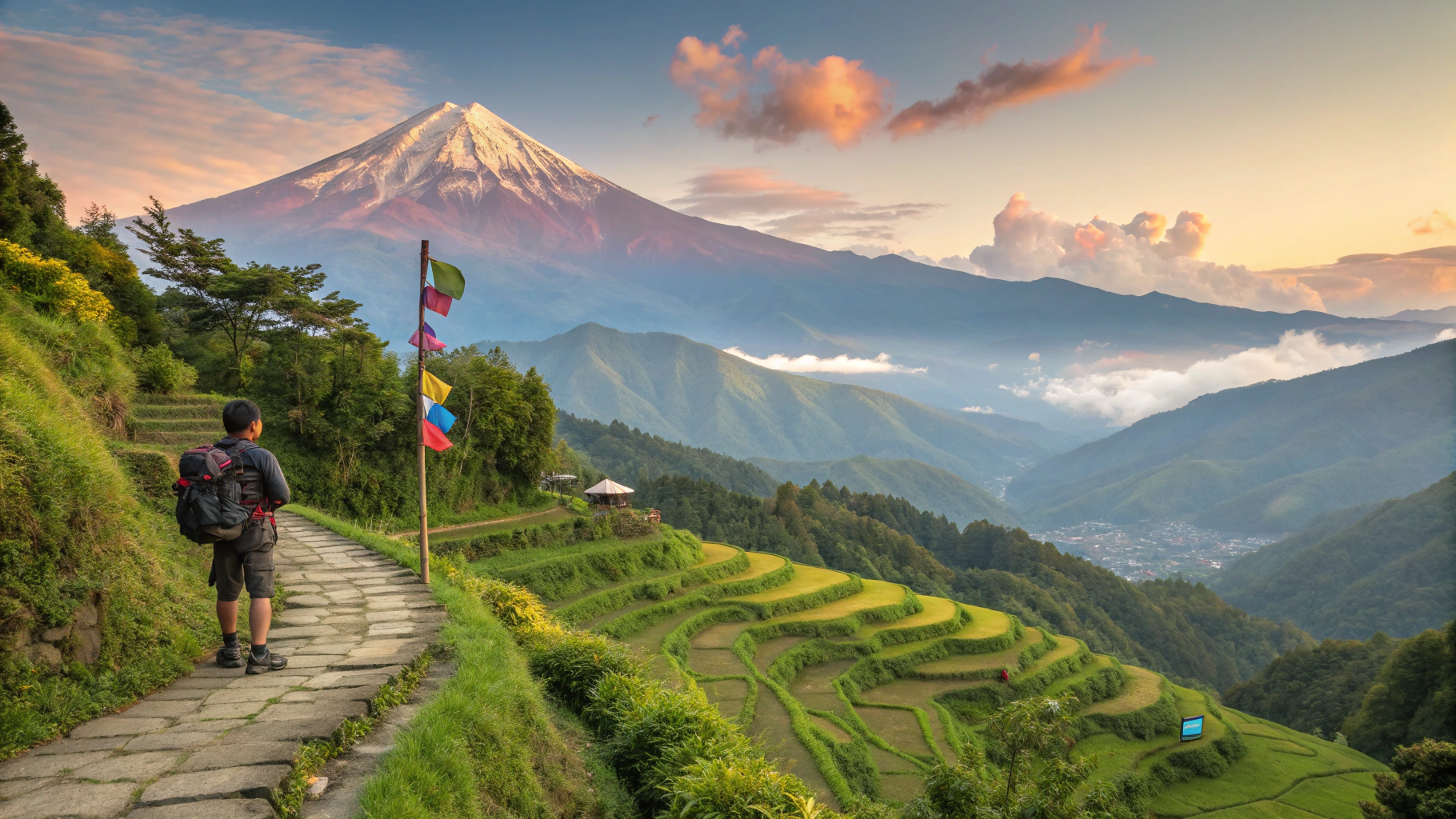
I’ll never forget the moment I stood at the edge of a cliff in Nepal. My legs were screaming, my lungs burning from the thin mountain air. But then I looked up—and there it was. Mount Everest, piercing the clouds like nature’s cathedral. That moment changed everything for me. It reminded me why I travel, why I hike, and why Asia holds the most spectacular trails on Earth.
If you’re an adventure seeker looking to lace up your boots, Asia offers hiking experiences you simply won’t find anywhere else. From mist-covered tea plantations to ancient pilgrimage routes, this continent has trails that will challenge, inspire, and transform you. I’ve spent years exploring these paths, and today I’m sharing the 10 best hiking trails that should be on every adventure lover’s bucket list.
Why Asia is a Hiker’s Paradise
Before we dive into the trails, let me tell you why Asia stands apart. This isn’t just about mountains—though we have the world’s highest peaks. It’s about diversity. Where else can you trek through tropical jungles, alpine meadows, volcanic landscapes, and ancient temples all in one continent?
The asia tourist scene has exploded in recent years, but the trails remain surprisingly uncrowded. Plus, hiking in Asia is incredibly affordable compared to Western destinations. You’ll find authentic cultural experiences woven into every trail. Local villages, Buddhist monasteries, and centuries-old traditions become part of your journey.
1. Annapurna Circuit, Nepal – The Crown Jewel
Location: Nepal
Distance: 160-230 km (depending on your route)
Duration: 15-20 days
Difficulty: Moderate to Challenging
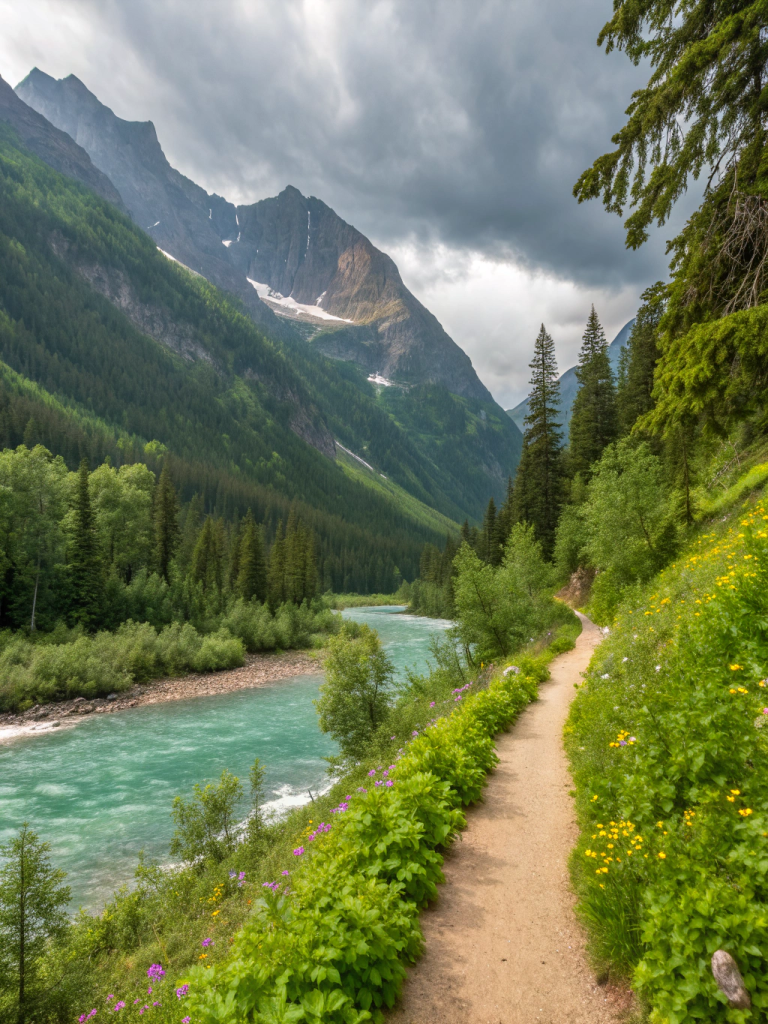
Let’s start with the big one. The Annapurna Circuit is legendary among hikers, and for good reason. This trail circles the entire Annapurna Massif, taking you through subtropical forests, rice paddies, rhododendron forests, and finally into high-altitude desert terrain.
I completed this trek three years ago, and it remains my favorite. You’ll cross the Thorong La Pass at 5,416 meters—one of the highest trekking passes in the world. The sunrise from that pass left me speechless. Prayer flags fluttered in the wind as golden light bathed the snow-covered peaks.
Practical Tips for Annapurna
Start your trek in Besisahar and finish in Nayapul, or vice versa. The route traditionally goes counter-clockwise for better altitude acclimatization. Budget about $25-40 per day for food and accommodation in teahouses. You’ll need two permits: the ACAP (Annapurna Conservation Area Permit) and the TIMS card.
The best seasons are pre-monsoon (March to May) and post-monsoon (October to November). I went in October and had crystal-clear views. Don’t rush this trek. Take rest days in Manang to acclimatize properly. Your body will thank you.
2. Mount Fuji, Japan – An Iconic Pilgrimage
Location: Honshu, Japan
Distance: Various routes, 5-8 hours ascent
Duration: 1-2 days
Difficulty: Moderate
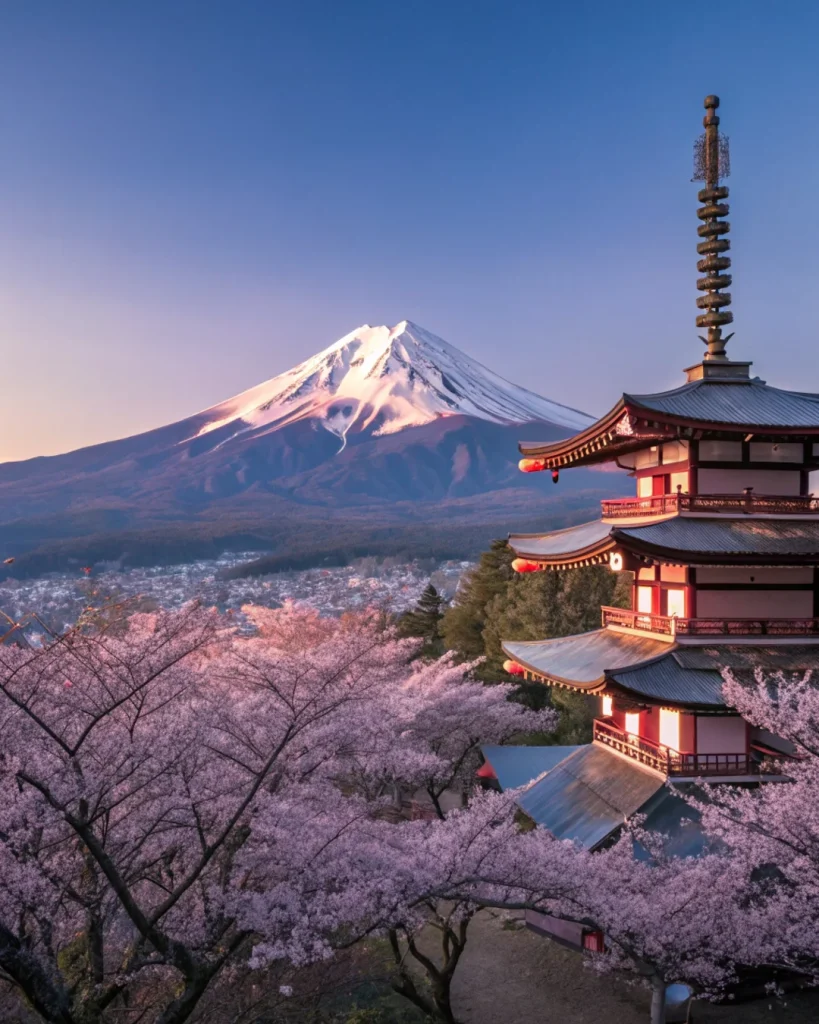
Climbing Mount Fuji isn’t just a hike—it’s a cultural experience. This perfectly symmetrical volcano rises 3,776 meters above sea level. Every summer, thousands of pilgrims and hikers make the ascent to watch sunrise from the summit.
I climbed Fuji during the official season in July. The mountain was busy, but the atmosphere was electric. Japanese families, elderly climbers, and international travelers all shared the same goal. At 2 AM, we began our final push to catch the sunrise.
Making the Most of Mount Fuji
The official climbing season runs from early July to early September. Outside these months, facilities close and conditions become dangerous. The Yoshida Trail from the 5th station is the most popular route. You can reach the 5th station by bus from Tokyo.
Most hikers stay overnight in mountain huts. Book these months in advance—they fill up fast. Budget around $50-70 for a sleeping spot and basic meals. Don’t underestimate this climb. Altitude sickness is real, even at this elevation.
Here’s my insider tip: Skip the summit sunrise crowd. Watch sunset from the summit instead, then descend partway to a mountain hut. The sunset views rival the sunrise, and you’ll have more space.
3. Tiger’s Nest Monastery Trek, Bhutan – Spiritual Heights
Location: Paro Valley, Bhutan
Distance: 8 km round trip
Duration: 5-7 hours
Difficulty: Moderate
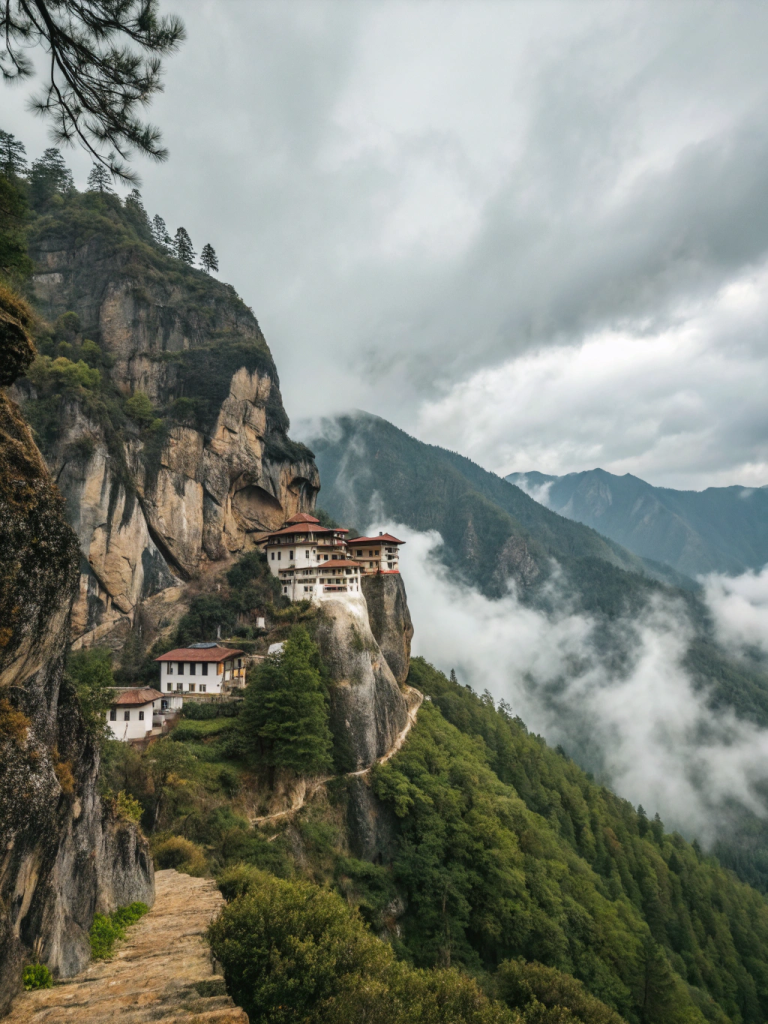
Perched impossibly on a cliff face 900 meters above the Paro Valley, Tiger’s Nest Monastery looks photoshopped. But it’s very real. This sacred Buddhist site dates back to 1692 and remains an active monastery today.
The trek to Tiger’s Nest was my introduction to Bhutan’s magic. The trail winds through pine forests decorated with prayer flags. Every turn reveals new views of the monastery clinging to the mountainside. Legend says Guru Rinpoche flew here on a tiger’s back to meditate.
Planning Your Tiger’s Nest Trek
You’ll need to book through a licensed Bhutanese tour operator. Bhutan requires all tourists to pay a daily tariff (currently $200 per day in low season, $250 in high season). This includes accommodation, meals, transport, and guide services.
The trailhead starts near Paro. Begin early to avoid afternoon heat and crowds. There’s a cafeteria halfway up where you can rest with tea and snacks. The final approach involves climbing steep stairs carved into the cliff.
Photography inside the monastery is forbidden, so soak in the moment with your eyes. The views from up there justify every step.
4. Cameron Highlands Tea Trail, Malaysia – Tropical Trekking
Location: Pahang, Malaysia
Distance: Various trails, 4-12 km
Duration: Half-day to full-day hikes
Difficulty: Easy to Moderate
Not every great hike needs to be extreme. The Cameron Highlands offer gentler trails through stunning tea plantations. This hill station provides a cool escape from Malaysia’s tropical heat.
I spent three days exploring different trails here. Trail 4 to Gunung Brinchang, the highest peak in Cameron Highlands, gave me panoramic views over rolling tea estates. The bright green tea bushes stretched endlessly, workers in colorful clothing picking leaves by hand.
Cameron Highlands Hiking Guide
The most popular trails are numbered 1 through 14. Trail 9 takes you through the mossy forest—mystical and otherworldly. Trail 4 to the summit requires about 4-5 hours round trip.
You can base yourself in Tanah Rata or Brinchang. Budget accommodations cost $15-30 per night. Visit the BOH Tea Plantation after your hike for fresh tea and scones. The combination of hiking and tea culture makes this a unique east asia experience.
Bring rain gear—afternoon showers are common. Leeches can be present on some trails, so wear long pants and check yourself afterward.
5. Mount Rinjani, Indonesia – Volcanic Adventure
Location: Lombok, Indonesia
Distance: 40-50 km (depending on route)
Duration: 2-4 days
Difficulty: Challenging
Mount Rinjani is Indonesia’s second-highest volcano at 3,726 meters. This trek combines volcanic landscapes, a stunning crater lake, and challenging terrain. It’s not for beginners, but it rewards those who take it on.
My Rinjani trek tested me physically. The summit push begins around 2 AM, scrambling up loose volcanic scree in darkness. But watching sunrise from the rim, looking down at the turquoise crater lake far below, made every difficult step worthwhile.
Conquering Mount Rinjani
You must hire a licensed guide and porter—it’s required and wise. A 3-day, 2-night trek is standard, though you can extend it to 4 days. Expect to pay $200-300 for a guided trek with all equipment and meals.
The trekking season runs from April to December. July and August are driest but busiest. I went in May and had good weather with fewer crowds.
Camp 2 at Segara Anak Lake (2,639m) is your base before the summit push. The hot springs near the lake offer a soothing soak for tired muscles. Pack warm layers—summit temperatures drop near freezing.
6. Lantau Trail, Hong Kong – Urban Escape
Location: Lantau Island, Hong Kong
Distance: 70 km total (can be done in sections)
Duration: 2 days full trail, or day hikes
Difficulty: Moderate
Hong Kong might seem like an unlikely hiking destination. But Lantau Island offers spectacular coastal and mountain trails just an hour from the city. The Lantau Trail showcases hidden gems in Asia that most visitors miss entirely.
I hiked sections of this trail while living in Hong Kong. My favorite stretch runs from Ngong Ping to Tai O fishing village. You’ll pass the Big Buddha, hike along mountain ridges with sea views, and descend into a traditional stilt-house village.
Hiking Lantau Island
The trail divides into 12 stages, each manageable as a day hike. Take the cable car up to Ngong Ping to start. Public buses connect different trail sections, making logistics easy.
No guide needed—trails are well-marked. Bring plenty of water as some sections lack facilities. The trail offers incredible value since there’s no entrance fee.
End your hike in Tai O village. Sample fresh seafood and dried fish products. The contrast between mountain wilderness and traditional village life shows Hong Kong’s diversity.
7. Manaslu Circuit Trek, Nepal – Off the Beaten Path
Location: Nepal
Distance: 177 km
Duration: 14-17 days
Difficulty: Challenging
While everyone flocks to Everest and Annapurna, the Manaslu Circuit remains relatively quiet. This restricted area trek circles the eighth-highest mountain in the world. It’s perfect for those seeking authentic Himalayan culture without the crowds.
I chose Manaslu specifically to avoid the tourist trail traffic. The trek did not disappoint. Remote villages, untouched forests, and the imposing presence of Manaslu created an intimate mountain experience.
Manaslu Circuit Essentials
You need a special permit for this restricted area trek. You must trek with a registered guide and at least two people. This requirement actually enhances the experience—local guides share cultural insights you’d otherwise miss.
The route crosses Larkya La Pass at 5,160 meters. This pass rivals Thorong La for drama but sees far fewer hikers. Budget $30-50 per day for food, accommodation, and guide services.
Best months are late September through November, or March through May. The trail follows the Budhi Gandaki River through deep gorges before climbing to alpine zones.
For those ready to explore Asia beyond the typical tourist routes, Manaslu offers authentic adventure.
8. Kumano Kodo, Japan – Ancient Pilgrimage Routes
Location: Kii Peninsula, Japan
Duration: 3-6 days (various routes)
Distance: Up to 70 km
Difficulty: Easy to Moderate
The Kumano Kodo is a network of ancient pilgrimage trails crossing the Kii Mountains. These sacred paths have been walked for over 1,000 years. UNESCO designated them a World Heritage Site alongside Spain’s Camino de Santiago.
Walking the Nakahechi route felt like stepping into old Japan. Stone-paved paths wind through cedar forests, past waterfalls, and between grand shrines. I stayed in traditional minshuku (family-run guesthouses) where hosts served elaborate kaiseki dinners.
Walking the Kumano Kodo
The Nakahechi Imperial Route is the most popular section, taking 3-4 days. It connects the three Grand Shrines of Kumano. Book accommodation in advance through the Tanabe Tourism Bureau—they offer an excellent booking service.
Expect to pay $70-100 per night for minshuku with dinner and breakfast included. Luggage forwarding services let you hike with just a day pack. This Japanese convenience makes the trek surprisingly comfortable.
Spring (April-May) and fall (October-November) offer the best weather. The trail is accessible year-round, though summer brings heat and humidity.
Don’t rush this walk. The spiritual atmosphere deserves slow appreciation. Visit each shrine with respect—they remain active religious sites.
9. Gobi Desert Trek, Mongolia – Extreme Solitude
Location: Southern Mongolia
Distance: Varies by itinerary
Duration: 5-10 days
Difficulty: Moderate
The Gobi Desert offers trekking unlike anywhere else in Asia. This isn’t traditional mountain hiking—it’s about vast spaces, dramatic landscapes, and nomadic culture. Sand dunes tower 300 meters high at Khongoryn Els.
My Gobi trek was arranged through a local tour operator. We stayed with nomadic families, riding camels and hiking between different desert landscapes. The ice-filled Yolyn Am gorge in summer was surreal—ice in the desert!
Trekking the Gobi
You’ll need to join an organized tour—independent trekking isn’t practical here. Tours typically include transportation, guide, food, and ger (traditional tent) accommodation. Expect to pay $100-150 per day for a quality experience.
The best months are May, June, September, and October. July and August get extremely hot. Winter is brutally cold and challenging.
Bring sun protection—the desert sun is intense. Nights get surprisingly cold even in summer, so pack layers.
The Flaming Cliffs (Bayanzag) reveal dinosaur fossils and stunning red rock formations. Combine hiking with camel riding for the full experience.
10. Dragons Back Trail, Hong Kong – Coastal Masterpiece
Location: Hong Kong Island, Hong Kong
Distance: 8.5 km
Duration: 3-4 hours
Difficulty: Moderate
Time Magazine named Dragons Back “Asia’s best urban hike.” This trail delivers stunning coastal views, mountain ridges, and accessible adventure. It’s perfect for those short on time but craving nature.
I’ve hiked Dragons Back dozens of times. The trail rewards you with 360-degree views—verdant mountains on one side, pristine beaches on the other. The ridge walk feels exposed and exhilarating.
Dragons Back Quick Guide
Take bus 9 from Shau Kei Wan MTR to To Tei Wan Village to reach the trailhead. The trail is well-maintained and clearly marked. No guide needed—perfect for solo travelers.
Finish at Big Wave Bay or Shek O beach. Reward yourself with seafood at Shek O village. The entire adventure can fit into a half-day, making it ideal for travelers with limited time.
Avoid summer humidity and winter’s occasional cold snaps. Spring and fall offer perfect conditions. Bring plenty of water and sun protection.
This trail proves you don’t need weeks in the wilderness for an incredible hiking experience.
Essential Hiking Tips for Asia
After years of trekking across this magnificent continent, I’ve learned valuable lessons. Here are my top tips for hiking in Asia:
Altitude Matters
Respect altitude on Himalayan treks. Ascend slowly, drink tons of water, and take rest days. Acute Mountain Sickness (AMS) is no joke. I’ve seen strong hikers evacuated because they rushed acclimatization.
Hire Local Guides
Even on well-marked trails, local guides enhance your experience. They share cultural insights, help with language barriers, and support local communities. On restricted trails like Manaslu, they’re mandatory anyway.
Pack Smart, Pack Light
Your back will hate you for overpacking. I learned this the hard way on my first Nepal trek. Pack layers for temperature changes. Bring a quality water purification system. Forget cotton—it stays wet and cold.
Travel Insurance is Essential
Get comprehensive travel insurance covering helicopter evacuation. On remote treks, evacuation is the only way out if something goes wrong. I use World Nomads for adventure travel coverage.
Respect Local Cultures
You’re a guest in these communities. Dress modestly, especially around religious sites. Ask before photographing people. Support local businesses by purchasing snacks and crafts in villages.
Train Before You Go
Don’t show up unprepared for challenging treks. Build your cardiovascular fitness and leg strength. Practice hiking with your loaded backpack. Your body adapts better with preparation.
Best Time to Hike in Asia
Timing is everything for Asian hiking adventures. Here’s a quick seasonal guide:
Spring (March-May): Excellent for Nepal, Bhutan, Japan. Rhododendrons bloom in the Himalayas. Pre-monsoon clarity in Nepal.
Summer (June-August): Best for high-altitude treks in Ladakh or Mongolia. Official season for Mount Fuji. Monsoon affects most of South and Southeast Asia.
Fall (September-November): Peak season for Himalayan treks. Clear skies, stable weather. Also great for Southeast Asian highlands.
Winter (December-February): Lower altitude treks in Southeast Asia. Tea country trails in Malaysia. Some Himalayan routes possible but challenging.
Budgeting Your Asian Hiking Adventure
One reason I love hiking in Asia? The incredible value. Here’s what you can expect:
Nepal treks: $25-50 per day for teahouse treks, including food and accommodation. Add guide/porter costs ($25-30 per day combined).
Southeast Asia: $15-40 per day for most hiking destinations. Thailand and Malaysia are slightly pricier than Vietnam or Indonesia.
Japan: $60-120 per day. Higher costs but includes excellent infrastructure and amenities.
Bhutan: Minimum $200-250 per day tariff, but this covers almost everything.
Mongolia: $100-150 per day for organized tours in the Gobi.
Budget extra for permits, equipment rental, and emergency funds. International flights to Asia have become very affordable through budget carriers.
Packing List Essentials
Based on countless treks, here’s what always comes with me:
- Quality hiking boots (broken in!)
- Moisture-wicking layers
- Warm down jacket
- Rain gear
- Water purification tablets or filter
- First aid kit with altitude medication
- Headlamp with extra batteries
- Trekking poles (reduce knee strain significantly)
- Sun protection (hat, sunglasses, SPF 50+ cream)
- Power bank for devices
- Quick-dry towel
- Snacks from home (trail mix, energy bars)
Making It Happen
I know planning an Asian hiking adventure can feel overwhelming. Where do you start? How do you choose? My advice: Just pick one trail that speaks to you. Book those flights. The rest will fall into place.
Start with something moderate if you’re new to trekking. The Cameron Highlands or Dragons Back offer incredible experiences without extreme challenges. Build up to the Himalayan giants. Every trail teaches you something.
Connect with other hikers online before you go. Facebook groups and forums like TripAdvisor’s Asia forums are goldmine resources. Fellow hikers share current trail conditions and recommendations.
Consider your travel style and preferences when planning your Asia adventure. Solo travelers thrive on these trails—I’ve made lifelong friends in teahouses. Families can tackle easier routes together. Adventure seekers will find challenges that push their limits.
My Last Thoughts as Johnny Fowler
Asia’s hiking trails have given me the greatest adventures of my life. They’ve pushed me physically, humbled me mentally, and filled my soul with wonder. From Nepal’s towering peaks to Japan’s spiritual paths, each trail offers something irreplaceable.
These ten trails represent just a fraction of what’s possible. Asia is enormous, diverse, and endlessly surprising. Lesser-known destinations await in Kyrgyzstan, Pakistan, Vietnam, and beyond. The more you explore, the more you’ll want to see.
Remember that iconic travel quote from Ibn Battuta: “Traveling—it leaves you speechless, then turns you into a storyteller.” These trails will do exactly that. They’ll challenge your limits, reward your efforts, and give you stories you’ll share for decades.
So lace up those boots. Asia’s mountains, forests, and ancient paths are calling. Your next great adventure awaits on these incredible trails. Trust me—the view from up there is worth every step.
Pack your bags and discover the magic of Asia’s greatest hiking trails!
Resources and Further Reading: